
How to Layer Skincare Products for Best Results
Learn how to layer skincare products effectively for maximum absorption and efficacy with this comprehensive guide.
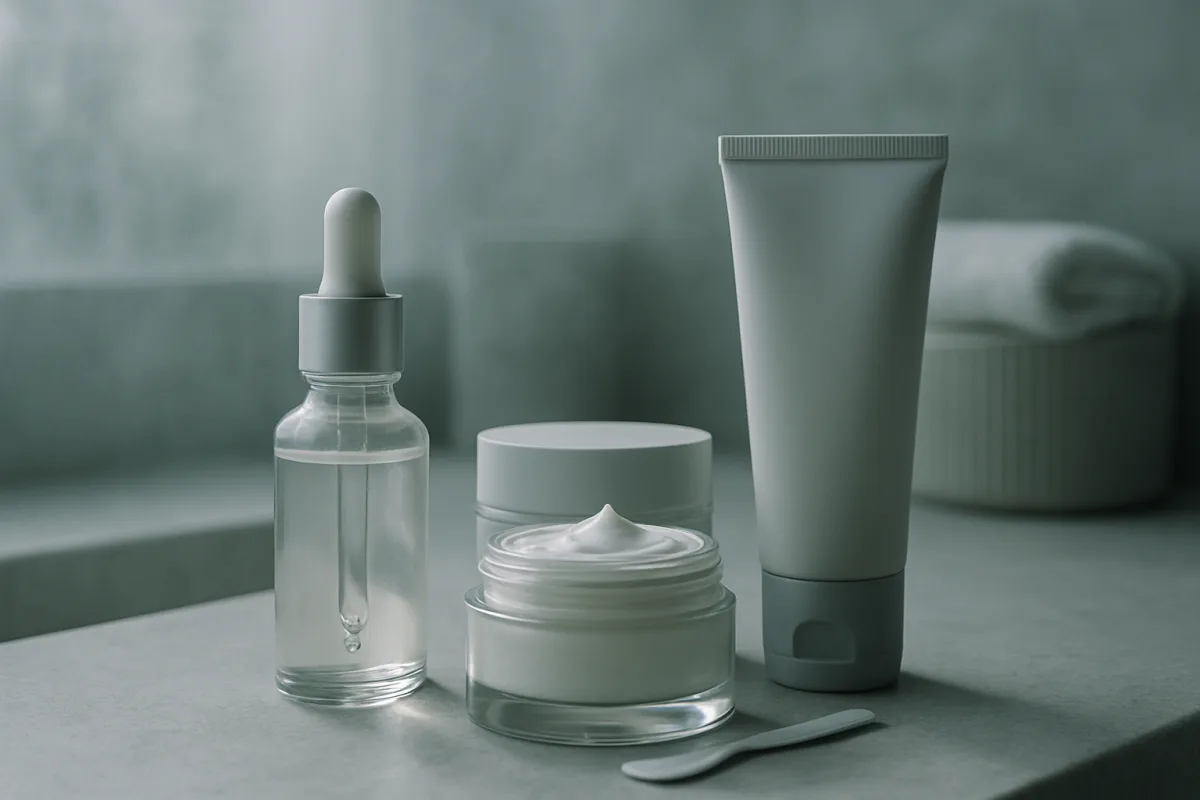
Mastering the Art of Layering Skincare Products
Layering skincare products can feel like a science experiment, with the potential for both impressive results and frustrating mishaps. The key to maximizing product efficacy lies not just in what you use, but in how you use it. This guide will walk you through the practicalities of layering your skincare routine, addressing the common challenges you may face along the way.
Understanding Layering: The Basics
At the heart of effective skincare layering is the principle of applying products from thinnest to thickest consistency. This maximizes absorption and efficacy. Dermatologists and skincare experts widely endorse this method, emphasizing the significance of morning and evening routines.
In the morning, your focus should be on protection with products that contain antioxidants and sunblock. Evening routines, on the other hand, prioritize repair, often incorporating treatment serums and richer moisturizers. The systematic approach not only targets different skin needs throughout the day but also enhances the overall effectiveness of your routine.
Problem 1: Should You Wait Between Applications?
A common debate in the skincare community is whether to wait between applying different products. While some sources suggest waiting times between 30 seconds to 2 minutes for optimal absorption (as mentioned by Ulta Beauty and Layered Skincare), Paula's Choice offers a contrasting perspective, stating that immediate application is acceptable in most cases.
Research on the effectiveness of waiting times is limited, and while some experts recommend it, the reality is that you may not need to wait at all between certain products. However, allowing a brief pause can prevent pilling and may enhance efficacy, especially with active treatments like serums or exfoliants. If you find that your routine causes pilling, a waiting time of about 30 seconds might be beneficial.
Problem 2: How Much Product Should You Use?
Knowing the right amount of each product to use is crucial for achieving optimal results. The recommended amounts are generally well established:
- Cleansers and toners: A dime-sized amount is typically sufficient.
- Serums: Aim for a pea-sized amount for effective application.
These guidelines can vary based on skin type and product formulation, so listen to your skin. If it feels dry or tight, you may need to adjust the amount or the product type.
Problem 3: What Order Should You Apply Your Products?
- Cleansers: Start with a gentle cleanser to remove impurities. If you’re double cleansing in the evening, the first step should be an oil-based cleanser to dissolve makeup and sunscreen, followed by a water-based cleanser.
- Toners: Following cleansing, apply a toner to help balance your skin’s pH and prepare it for better absorption of subsequent products.
- Treatment Serums: Apply treatment serums next. This is where you can incorporate active ingredients like vitamin C, hyaluronic acid, or niacinamide. While the myth that vitamin C and niacinamide cannot be used together has been debunked, be careful when layering stronger actives, such as retinoids with AHAs or BHAs, as this can lead to irritation.
- Moisturizers: Follow with a moisturizer to lock in hydration. This can be a lighter gel in the morning and a thicker cream in the evening, depending on your skin's needs.
- Sunscreen: In the morning, finish with a broad-spectrum sunscreen with SPF 30 or higher to protect against UV rays.
Problem 4: Are There Ingredients You Should Avoid Combining?
Indeed, certain ingredient combinations can lead to irritation or reduced efficacy. Here are some combinations to avoid:
- Retinol with exfoliating acids: This can cause excessive irritation.
- Vitamin C with benzoyl peroxide: These ingredients can neutralize each other, reducing effectiveness.
- Multiple strong actives: Applying too many potent ingredients at once can overwhelm your skin, leading to irritation and inflammation.
It’s essential to know your skin type and sensitivities to navigate these combinations effectively.
Problem 5: Environmental Considerations
Your skincare products are also affected by environmental factors. For instance, high humidity can dilute active ingredients, while elevated temperatures may accelerate ingredient degradation. Therefore, proper storage is crucial. Aim to keep your products in a cool environment (between 59°F to 77°F) and maintain humidity levels between 40% and 60% for optimal performance.
Conclusion: Patience is Key
While it’s tempting to expect immediate results from your skincare layering routine, the reality is that most improvements are slow and modest. It often takes consistent use over weeks or months to see noticeable changes in skin texture, tone, and overall health. Studies indicate that while some actives can show results within a few weeks (like hyaluronic acid for hydration), others, particularly retinoids, can take up to 12 weeks to display significant effects (as per research published in the Journal of Clinical and Aesthetic Dermatology).
Remember, skincare is personal. What works for one person may not work for another, and if you have specific skin concerns that sound like a potential diagnosis, consulting a dermatologist is always the best course of action. They can provide personalized recommendations based on your unique skin needs.
By understanding how to layer your skincare products effectively, you can enhance their efficacy and ultimately achieve healthier, glowing skin. Happy layering!
Frequently Asked Questions
What is the correct order to apply skincare products?
The correct order to apply skincare products is from thinnest to thickest consistency. Start with a gentle cleanser, followed by a toner, treatment serums, moisturizers, and finish with sunscreen in the morning.
How do I layer skincare products for better absorption?
To layer skincare products for better absorption, apply them from thinnest to thickest consistency. This method maximizes absorption and efficacy, allowing each product to penetrate the skin effectively.
What products should I use in my morning and evening skincare routine?
In the morning, focus on protection with products that contain antioxidants and sunscreen. In the evening, prioritize repair with treatment serums and richer moisturizers to address your skin's needs.
How much product should I use when layering skincare?
For optimal results, use a dime-sized amount for cleansers and toners, and a pea-sized amount for serums. Adjust the amount based on your skin type and how it responds to the products.
Sources
- This Is the Order You Should Apply Your Skincare, According to Dermatologists
- The Skincare Order That Dermatologists Actually Recommend-Here's Exactly Where Every Product Goes
- How to Layer Skincare Products in the CORRECT ORDER
- How Long To Wait Between Applying Skin Care Products | Paula's Choice
- How Long Does It Take Skin Care to Work | Ulta Beauty
- Skincare Wait Times: The Definitive Reference | Layered Skincare
- The Complete Skincare Layering Order | Layered Skincare
- The Correct Amount of Each Skincare Product To Use | Skincare.com
- DON'T Mix These Skincare Ingredients - Dermatologist Guide - YouTube
- Skincare Ingredient Checker: Can You Mix These Together?
- 7 ways you may be sabotaging your skincare routine without realising, according to a dermatologist
- Summer & High Humidity Skincare Guide | Nuon Medical
- Temperature vs. Humidity: Skincare Stability Guide | Journal
- Seasonal Skincare Transitions: Winter to Summer and Back | basic.skin
- Skin Care Routine: Morning vs. Night Steps
- Safe Skincare Layering | Ingredients to Avoid Mixing, Faces Canada
- How to Layer Skincare Products | Insider Beauty | Insider Beauty
- How to Layer Skincare Products | Insider Beauty
- Do Not Mix or Layer These Skincare Ingredients | Nipun Kapur
Related Articles
How to Layer Products for Acne-Prone Skin Correctly
Learn how to layer products for acne-prone skin with the right order, timing, and active ingredient use to avoid irritation and maximize results.
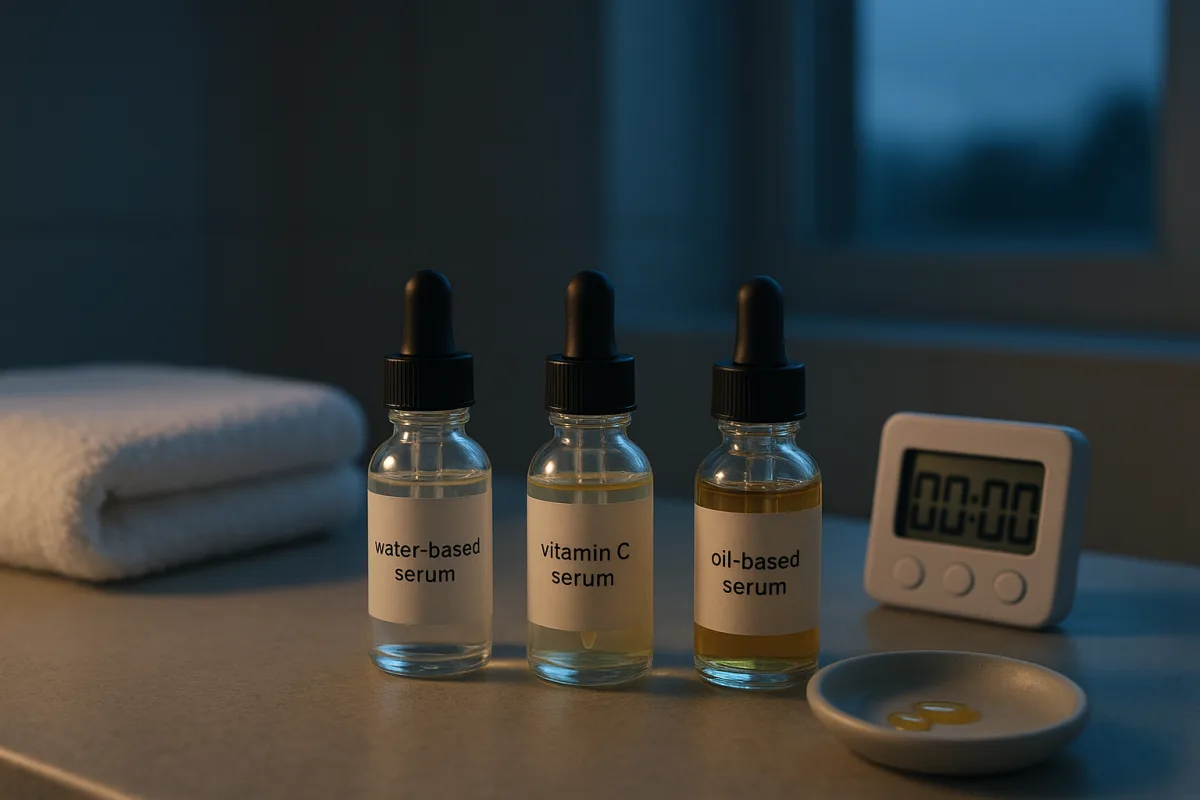
How to Layer Serums: Correct Order and Application Tips
Learn how to layer serums properly with tips on order, wait times, and amounts for effective skincare routines.

How to Apply Face Oil: Best Practices and Tips
Learn how to apply face oil correctly, including layering order, amount, and timing for glowing, hydrated skin in your skincare routine.
How to Identify Cruelty-Free Skincare Products
Learn how to identify cruelty-free skincare products using certifications, logos, and tips to avoid misleading claims.