
How to Layer Sunscreen with Makeup for Best Protection
Learn how to layer sunscreen with makeup correctly to protect your skin and avoid pilling. Get tips on application order, wait time, and product choice.
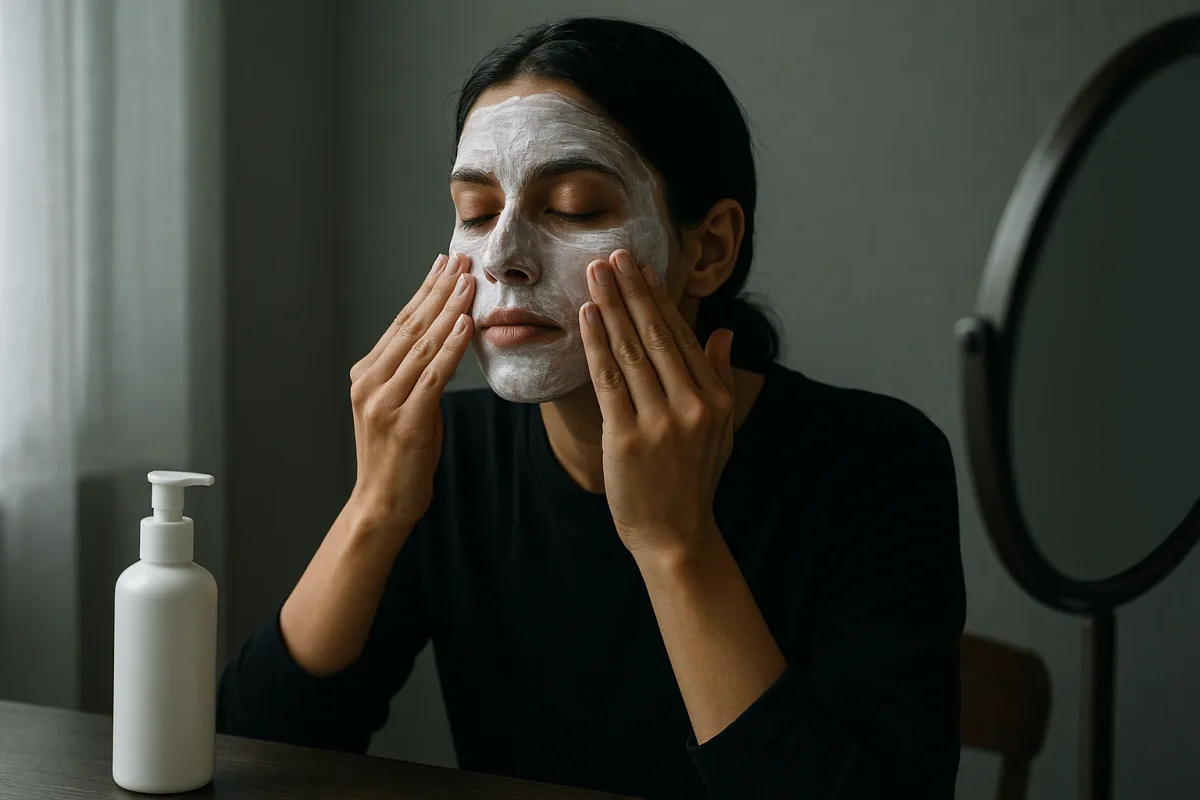
Apply sunscreen before your makeup base
The sunscreen layer belongs between moisturizer and primer, foundation, concealer, and powder. Cleveland Clinic dermatologist Amy Kassouf, MD, recommends the order clean skin, moisturizer, sunscreen, then makeup. [25]
Put sunscreen on as its own step, not as an ingredient your makeup is expected to supply. Foundation with SPF can be a nice extra, but it cannot replace the sunscreen layer underneath. [2][22]
This order is about preserving the film sunscreen forms across your skin. Applying makeup first and sunscreen over it can disturb coverage, move pigment, and leave you with a patchy base. [16][17]
If you use primer, it goes after sunscreen has settled. Treat primer as a makeup-prep product, not a barrier that lets you reverse the order or use less sunscreen. [20][25]
Use enough sunscreen before you worry about the finish
A thin, careful-looking layer often is not enough to deliver the SPF on the package. Typical users apply less than half the recommended amount, which reduces the protection they get from the product. [2]
The exact face amount is frustratingly unsettled. Shelfcare reports a dermatology recommendation of about 1.1 grams for the face, while also reporting American Academy of Dermatology guidance of at least one teaspoon, about 4.9 grams. [3]
Those figures are far apart, but they point in the same direction: makeup wearers commonly underapply because they are trying to avoid shine, pilling, or foundation slipping. Do not use a tiny dot to make your base easier.
Apply the amount you plan to wear evenly over your face before you start makeup. Uneven application leaves the labeled SPF dependent on an uneven film, even if your foundation looks flawless. [2]
We would start with the lower reported face amount only if a larger layer makes your current sunscreen impossible to wear, then switch formulas. Cutting back indefinitely is the compromise most likely to undermine the point of applying it. [2][3]
Pick a sunscreen texture your foundation can sit on
A sunscreen that feels greasy, stays tacky, or pills under your fingers will make makeup harder to apply. You are looking for a formula that spreads evenly, settles down, and lets foundation glide over it without rolling into little balls.
Chemical sunscreen formulas tend to absorb quickly and are less likely to pill under makeup, according to Layered Skincare. That can make them an easier starting point if your usual complaint is a foundation that catches or separates. [4]
Mineral formulas can work too, but untinted versions may leave a white cast under sheer foundation. A tinted mineral sunscreen can reduce that cast and may make the sunscreen layer easier to blend into a makeup routine. [4]
There is no evidence here that a specific sunscreen active clashes with a specific foundation ingredient and reduces sunscreen performance. The documented concern is physical disruption, including rubbing, pilling, and applying too little product.
Choose by the finish you can actually tolerate through the day. A sunscreen that looks slightly dewy but remains comfortable is likely a better makeup partner than a matte one you apply so sparingly that you miss large areas.
Match the bases before you add primer and foundation
Read the sunscreen and foundation labels or ingredient lists for the broad formula base. Layered Skincare advises pairing water-based sunscreen with water-based makeup, or silicone-based sunscreen with silicone-based makeup, to lower the chance of pilling. [4]
This is not a guarantee that two products will behave together. Moisturizer, primer, the amount applied, and how much rubbing happens during foundation application can all change the result.
Keep the routine short while troubleshooting. Cleanse, moisturize, apply sunscreen, wait, then test foundation on top before introducing a primer, setting spray, cream blush, and several additional layers. [13][25]
If you see little rolls of product around the nose, chin, or hairline, stop rubbing harder. Use less friction, give the sunscreen more time to settle, and test whether removing one product from the stack solves it. [4][11]
Apply foundation by pressing or lightly stippling where possible, particularly over the high points of the face. Aggressive buffing can disturb the sunscreen film and turn a neat base into patches. [11][20]
Wait until the sunscreen has settled
Your sunscreen should no longer feel wet enough to drag under your fingertips before you begin foundation. Woman and Home recommends waiting 2 to 5 minutes between sunscreen and makeup. [1]
That timing is not a hard scientific rule. Antic Beauty suggests up to 15 to 20 minutes, while GoodRx reports expert advice to apply makeup once sunscreen has absorbed without assigning an exact number. [14][15]
Use the product’s behavior as the deciding detail. If foundation skips, pills, or breaks apart immediately, wait longer next time. If the sunscreen has settled smoothly after several minutes, you do not need to sit in front of the mirror for 20 minutes by default.
A long wait will not rescue incompatible products or an overloaded routine. It can, however, prevent you from smearing a still-mobile sunscreen layer into your sponge, brush, primer, or foundation. [1][4]
Build for heat, humidity, and your local weather
A base that behaves in cool, dry weather can fail by lunchtime in heat and humidity. Higher heat and humidity increase sweat and sebum, which can contribute to makeup breakdown and pilling. [12]
In hot, humid conditions, look for lightweight, fast-absorbing, water-resistant sunscreen and makeup intended to hold up in those conditions. Waverly DermSpa also points toward oil-free, water-resistant formulas for humid climates. [12][19]
In cooler, drier places, richer formulas may suit the skin and makeup better. That is a texture recommendation, not a promise that a richer sunscreen will remain stable under every foundation or throughout every workday. [19]
If your makeup is sliding, do not assume the sunscreen is the sole cause. Heat, sweat, sebum, and multiple creamy makeup layers can all contribute, so change one part of the routine at a time. [9][12]
Use makeup SPF as a bonus, not the main layer
The SPF in foundation, skin tint, powder, or setting product is often applied too thinly to deliver its labeled protection. Makeup SPF is therefore commonly overestimated in real routines. [2][22]
You would need an unusually generous, even application of the makeup product to approach the labeled test conditions. That amount may look heavy or unlike the coverage you want, especially with foundation and powder. [2][22]
Layering several SPF makeup products does not give you a reliable combined SPF number. No quantified guidance here shows how SPF from sunscreen, foundation, powder, and spray adds up in a finished makeup look.
Use SPF makeup because you like the coverage, color, or finish, and view any added SPF as supplemental. Keep the dedicated sunscreen underneath, applied generously and evenly, as the protection step. [2][25]
Reapply without dismantling your face
Morning sunscreen does not cover an entire outdoor day. Johns Hopkins Medicine and Skin Candid recommend reapplication every two hours, particularly when you are outdoors. [2][18]
Rubbing a fresh cream sunscreen across a full face of foundation is likely to move makeup. For midday touch-ups, Skin Candid suggests sunscreen sticks, mists, and powders because they can be applied with less disruption. [2]
These formats are not shortcuts that work with one casual pass. Woman and Home notes that sunscreen mist needs correct application, including spraying twice per area, for adequate coverage. [1]
A powder format may be easier to carry and less likely to liquefy your base, while a stick gives you a more direct application. A mist can feel fastest, but only if you apply it thoroughly instead of treating it like a finishing spray. [1][2]
Avoid using a reapplication product so sparingly that it exists only for reassurance. The same problem applies at noon as it does in the morning: a light dusting or quick mist may look good while leaving the coverage thin. [1][2]
Fix the mistakes that ruin both layers
Do not put sunscreen over completed makeup as your standard morning order. It can disturb the makeup and makes even sunscreen coverage harder to achieve. [16][17]
Do not rely solely on a foundation labeled SPF 30 or a powder labeled SPF 50. The number is tied to how the product is tested, and everyday makeup application generally does not use enough product. [2][22]
Do not rush makeup onto sunscreen that is visibly wet, nor keep adding primer to force two formulas together. Give the sunscreen time to settle, then simplify the layers if pilling continues. [1][4]
Do not skip reapplication because the makeup still looks intact. Makeup longevity and sunscreen coverage are separate issues, and an unbroken foundation surface does not tell you how much protection remains. [2][18]
Frequently Asked Questions
What is the correct order to apply sunscreen and makeup?
Sunscreen should be applied after moisturizer and before any makeup products such as primer, foundation, or powder. The recommended order is clean skin, moisturizer, sunscreen, then makeup to preserve the sunscreen’s protective film and avoid disrupting coverage.
How long should I wait after applying sunscreen before makeup?
It is best to wait at least 2 to 5 minutes after applying sunscreen before starting makeup. This allows the sunscreen to absorb fully and form an even film, preventing makeup from slipping or becoming patchy.
Can I use makeup with SPF instead of sunscreen?
Makeup with SPF should not replace a dedicated sunscreen layer. While SPF in makeup can provide extra protection, it is generally applied too thinly to deliver the labeled SPF, so a separate, generous sunscreen application is necessary.
How much sunscreen should I apply under makeup?
Users often apply less than half the recommended amount, which reduces protection. Dermatology guidance varies from about 1.1 grams to at least one teaspoon (approximately 4.9 grams) for the face. Applying an even, generous layer before makeup is important to achieve effective sun protection.
What type of sunscreen works best under makeup?
Chemical sunscreens tend to absorb quickly and are less likely to pill under makeup, making them easier to wear. Mineral sunscreens can work but may leave a white cast unless tinted. Matching the sunscreen base (water or silicone) to the foundation base can help reduce pilling and improve wear.
How we researched this
This article was assembled from 26 cited references.
Nothing here is based on hands-on testing. Where a figure or finding appears, it belongs to the source cited beside it, and the writing says so rather than implying otherwise. Every source is listed below so you can check it.
Sources
- This is exactly how long to wait between applying skincare and makeup, if you want your foundation to last
- How to Wear Sunscreen Under Makeup (and Reapply) | Skin Candid
- How much sunscreen on your face? Dose, reapplying and makeup
- Best Sunscreen for Under Makeup: No White Cast, No Pilling | Layered Skincare
- 7 Best Sunscreens to Wear Under Makeup 2024, According to a Beauty Editor
- Best Sunscreen Under Makeup 2026 | Ulta Beauty
- Products | EC Med Spa
- 7 Best Sunscreens Under Makeup That Won’t Pill, Peel, or Slide Off | Allure
- I tested every summer makeup trick - here's what actually works in high humidity
- Sunscreen SPF 60-100 | La Roche-Posay
- How to Wear Sunscreen Under Makeup Without Pilling
- Best Sunscreens Under Makeup in 2026, No Pilling, No Ballin | BlushPicks
- Skincare routine before makeup · ComfiSkin
- How Long After Applying Sunscreen Can I Apply Makeup? - anticbeauty.com
- Should You Put on Sunscreen Before or After Makeup? - GoodRx
- Common Sunscreen Mistakes: Are You Applying Sunscreen Correctly? - Cosmetic Dermatology Anaheim Hills, CA | Board Certified Dermatologists
- SPF Stacking Is the Derm-Approved Dewy-Makeup Hack I'm Taking Into Fall
- Sunscreen and Your Morning Routine | Johns Hopkins Medicine
- Sunscreen and Makeup: Layering Tips - Waverly DermSpa
- How to Layer SPF Under Makeup | Beauty Ring
- Korean Sunscreen and Makeup: How to Layer SPF Without Ruining Your Base · KOREANSKINPEDIA
- Does Makeup With Sunscreen Really Protect Your Skin?
- Will Moisturizers With SPF Protect Your Skin? - Consumer Reports
- Makeup with sunscreen? SPF beauty products to shop this summer.
- Should You Put Sunscreen on Before Makeup?
- Sunscreen, Korean skin care, korean sunscreen, Malaysia | Ubuy
Related Articles
How to Layer Products for Acne-Prone Skin Correctly
Learn how to layer products for acne-prone skin with the right order, timing, and active ingredient use to avoid irritation and maximize results.
How to Layer Serums: Correct Order and Application Tips
Learn how to layer serums properly with tips on order, wait times, and amounts for effective skincare routines.
Best Time to Apply Sunscreen for Maximum Protection
Learn the best time to apply sunscreen, how much to use, and when to reapply for effective sun protection.

How to Apply Face Oil: Best Practices and Tips
Learn how to apply face oil correctly, including layering order, amount, and timing for glowing, hydrated skin in your skincare routine.