
How to Choose a Moisturizer for Combination Skin
Learn how to choose the best moisturizer for combination skin with tips on ingredients, textures, and applying to oily and dry zones effectively.
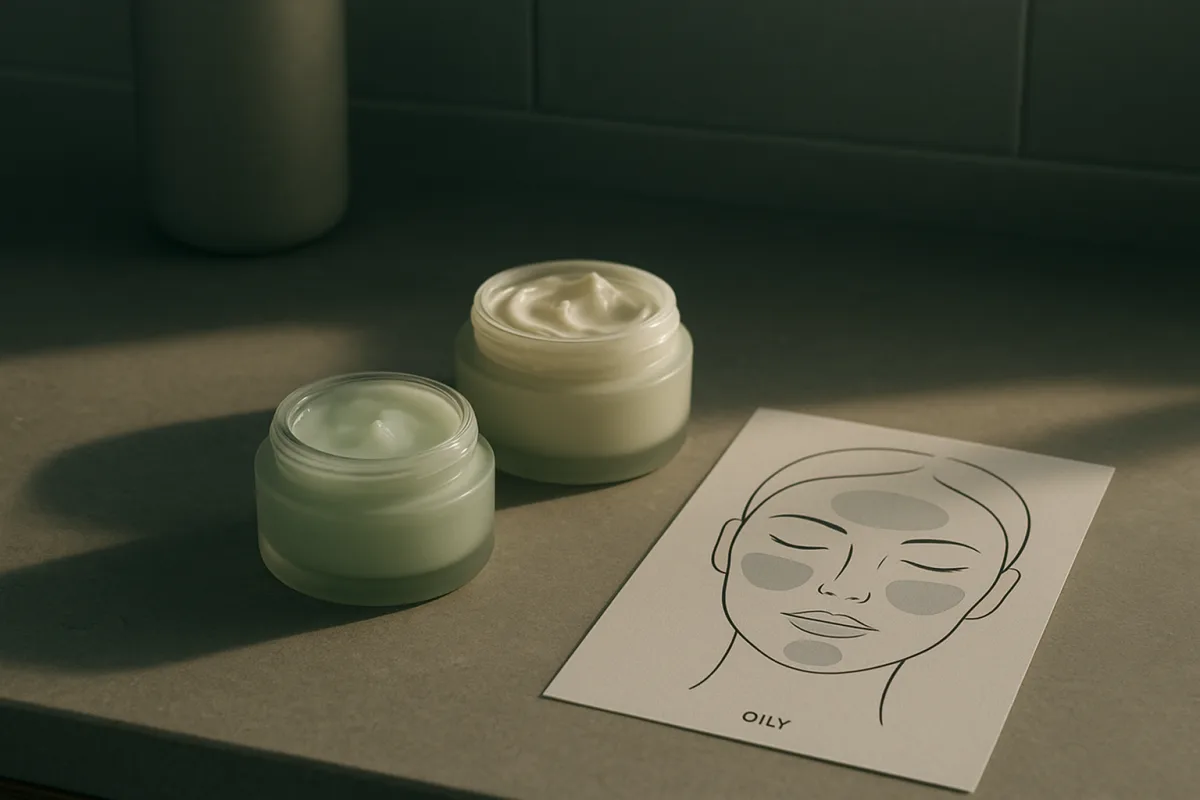
Start with the actual problem: your face is not behaving like one surface
Combination skin usually means an oilier T-zone, the forehead, nose and chin, alongside cheeks that are normal, tight, dry or flaky. Enlarged-looking pores, shine, blackheads and occasional blemishes often cluster in the oilier areas. [2][3]
That description is useful, but it is not a diagnosis and it is not a complete skin profile. Combination skin can also be sensitive, dehydrated, reactive to exfoliants or temporarily oilier in humid weather. [3][19]
The practical mistake is buying one very rich cream for dry cheeks, then spreading the same amount over the nose and chin. The opposite mistake is choosing a stripping gel intended for oily skin and wondering why cheeks feel uncomfortable by lunchtime. [19][20]
Think in zones before you think in brands. Your first task is to identify whether the cheeks need more water-binding ingredients, more barrier support, or simply a thicker layer of the same lightweight moisturizer.
Choose the base texture before chasing an active
For most people with a shiny T-zone and drier cheeks, a lightweight lotion, gel-cream or water-based moisturizer is the logical starting point. Sources aimed at combination skin consistently favour oil-free and non-comedogenic formulas because they are less likely to feel heavy in oilier areas. [7][8][24]
“Non-comedogenic” is useful packaging language, not a guarantee that no individual will ever develop clogged pores. Product testing methods vary, and skin can react to a whole formula rather than one supposedly problematic ingredient.
Look for humectants first. Glycerin and hyaluronic acid help hold water in the outer skin layer, so they can make dry areas feel less tight without requiring a thick, oily finish. [7][8]
Humectants are cosmetic hydrators, not a cure for eczema, acne or another medical condition. If persistent scaling, cracking, inflamed spots or stinging is part of the picture, that needs a dermatologist’s assessment rather than increasingly elaborate moisturizer shopping.
A small amount of squalane can make a formula feel more cushioning, while aloe vera and centella asiatica are commonly included for a soothing feel. These can be sensible texture and comfort choices, but the supplied sources do not establish a reliable timetable for visible change. [7][8]
Decide whether you need one moisturizer or two
A single lightweight moisturizer is the simplest route, and it may be enough if the difference between your cheeks and T-zone is minor. Apply a thinner layer across the oily areas and a second light layer on the cheeks if they still feel dry. [19][22]
If that still leaves cheeks uncomfortable while the T-zone feels coated, use two formulas. Put an oil-free gel or lotion over the whole face, then press a richer, non-comedogenic cream over cheeks and other dry patches only. [11][19]
This is not indulgent or unnecessarily complicated. Combination skin is heterogeneous by definition, and varying the product or the amount by facial zone is more tailored than forcing every area into one texture. [3][19]
Be careful with the “rich cream only on dry areas” strategy if your jawline or cheeks also break out. Heavier texture does not automatically mean pore-clogging, but it makes ingredient-list scrutiny and gradual introduction more important. [11][20]
Read the ingredient list with a specific job in mind
Niacinamide is one of the more useful all-round options for combination skin because it appears in formulas designed to support the skin barrier and temper the look of excess oil. A concentration around 2 to 5 percent is the commonly cited working range in the supplied guidance. [7][8]
That range is not a promise that skin will look less shiny or more even. Ingredient lists generally do not reveal the percentage, and the research brief does not provide a clinical study establishing how quickly 2 to 5 percent niacinamide changes combination skin.
Ceramides are worth prioritising when cheeks feel dry, especially after cleansing or in cold weather. They are skin-identical lipids used in barrier-supporting moisturizers, and pairing them with glycerin or hyaluronic acid makes more sense than relying on a thick texture alone. [5][7]
If blackheads or congestion are concentrated in the T-zone, salicylic acid is often used at 0.5 to 2 percent. It is an exfoliating active, so it is not a neutral add-on to every moisturizer routine. [7][8]
A salicylic-acid moisturizer may be more appropriate for the nose, chin or forehead than for flaky cheeks. Do not layer it with multiple exfoliating acids simply because each product sounds mild, since over-exfoliating the T-zone is a recognised routine mistake. [19][20]
Azelaic acid at 10 to 15 percent and retinol beginning around 0.25 percent also appear in combination-skin ingredient guides. [7][8] They are treatment-style actives, not basic hydration ingredients, and they can be irritating when introduced carelessly.
The supplied brief does not provide product-specific trials or a dependable results timeline for these actives in moisturizers. Introduce one at a time, use it less often initially if needed, and stop treating irritation as a sign that something is “working.”
Apply moisturizer at the point your routine usually goes wrong
Apply moisturizer after cleansing, while skin is still slightly damp rather than completely parched. This is a practical way to make a water-based formula spread more easily and support hydration. [9][22]
There is no established exact amount in grams or millilitres for combination skin. The American Academy of Dermatology advises applying enough moisturizer to cover the skin comfortably, generally twice daily, rather than following a universal measured dose. [9]
The frequently repeated “dime-sized amount” is a rough visual cue, not clinical dosing. A small face, a beard area, a very dry cheek area and a multi-layered sunscreen routine will all change what feels adequate. [19][22]
Try this instead: apply a thin, even layer over the face after cleansing. Wait a minute, then add a small extra amount only to cheeks, around the mouth or other areas that still feel tight.
Do not interpret midday shine as proof that moisturizer caused excess oil. It may be your natural sebum pattern, a too-heavy formula, warm weather, or a response to harsh cleansing. The answer depends on where the shine occurs and how the rest of the face feels. [3][20]
Adjust for summer, winter and sensitivity
Summer usually calls for a lighter, oil-free gel or gel-cream, particularly if heat and humidity make the T-zone shiny. Neutrogena Hydro Boost Water Gel and Kiehl’s Ultra Facial Oil-Free Gel Cream are examples cited for this lighter seasonal category. [5][11]
The research brief does not provide current prices for either Neutrogena Hydro Boost Water Gel or Kiehl’s Ultra Facial Oil-Free Gel Cream. Their stated role is texture-based: they may suit people who want water-light hydration and less rich-feeling coverage in warm weather. [5][11]
Winter is when many combination-skin routines become unbalanced. Cheeks may need a more cushioning cream with ceramides and niacinamide, while the T-zone may still prefer a thin layer rather than being left bare. [5][11]
CeraVe PM Facial Moisturizing Lotion and La Roche-Posay Toleriane Double Repair are examples identified for colder weather because they combine barrier-oriented ingredients with a more lotion-like or creamier feel. [5][11]
No current price for CeraVe PM Facial Moisturizing Lotion or La Roche-Posay Toleriane Double Repair is supplied in the research brief. Both are better understood as winter or dryness-oriented options, not automatic choices for every oily T-zone. [5][11]
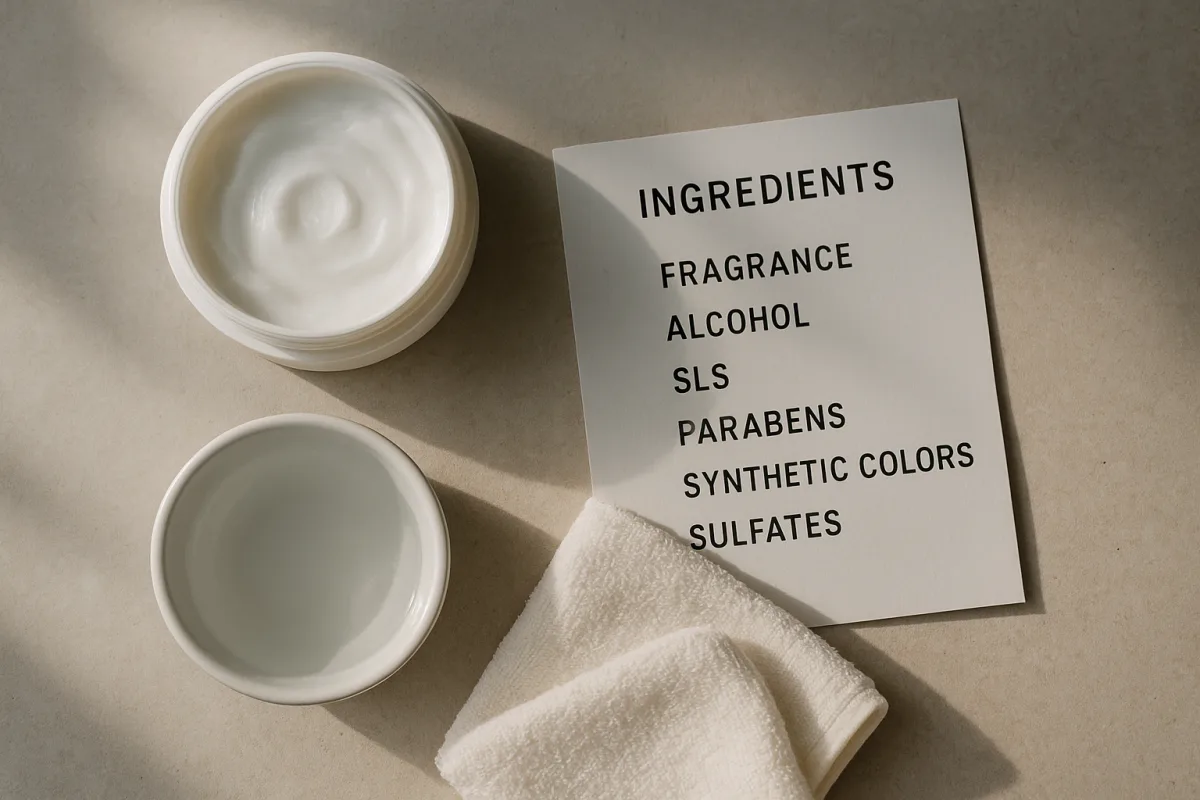
Fragrance, high levels of drying alcohol and heavy oils are commonly flagged as poor bets for combination skin, particularly if sensitivity or congestion is already part of the routine. [5][11] That does not mean every scented product will irritate every person.
Compare price by formula, size and where you need it
A moisturizer does not become better value because the bottle is bigger. If a large, heavier lotion ends up sitting unused because it feels wrong on the T-zone, the low price per millilitre is irrelevant.
Bioelements Absolute Moisture is listed at $44 for 75 mL, or about 2.5 fluid ounces. The research brief places it in a $40 to $50, 60 to 75 mL range that can offer a reasonable quality-to-size balance for combination skin. [12][15]
Paula’s Choice CLEAR Oil-Free Moisturizer is listed at $42 for 60 mL, or about 2 fluid ounces. Its oil-free positioning may suit someone prioritising a lighter finish, especially over oilier zones, rather than someone seeking a very rich winter cream. [13][14]
CeraVe Moisturizing Lotion is cited at $15.79 for 12 fluid ounces. That is the economical option by volume, but the research brief cautions that larger formats can be less suitable when their texture is heavier than your T-zone tolerates. [16]
A smaller La Roche-Posay moisturizer is cited at $30.99 for 1.35 fluid ounces. It is less economical by volume, but the brief identifies this type of option as more tailored toward sensitive skin needs, which can matter more than bottle size. [17]
Prices are snapshots from the cited retailers and can change by retailer, country and promotion. More importantly, a formula’s suitability is not established by price, and none of these retail examples proves that a moisturizer will work for a particular person.
Avoid trying to “dry out” the oily areas
Over-cleansing is a common way to make combination skin more difficult to manage. A harsh cleanser can leave cheeks tight and encourage a cycle of adding stronger products to the T-zone without addressing overall comfort. [19][20]
Skipping moisturizer on the T-zone is similarly counterproductive if it leaves skin feeling stripped. Use a lighter application there, not necessarily no moisturizer at all. [19][20]
Avoid piling on exfoliating toners, acid serums and salicylic-acid moisturizers in the same routine. The goal is not to make the nose feel squeaky-clean. It is to keep the skin comfortable while limiting the heavy, congested feeling that prompts overcorrection. [19][21]
Finally, be cautious about claims that a moisturizer can be selected according to broad racial or ethnic categories. Differences in hydration and sebum physiology between populations have been documented, but specific evidence about ideal combination-skin formulations by ethnicity remains limited. [1]
Your own oil distribution, sensitivity, climate, cleansing routine and response to texture are more actionable than a demographic label. If persistent breakouts, rash-like irritation, painful lesions or significant flaking are involved, seek a dermatologist rather than treating the issue as a moisturizer mismatch.
Frequently Asked Questions
How do I choose the right moisturizer for combination skin?
Choose a lightweight, oil-free, non-comedogenic gel-cream or lotion as a base. Look for humectants like glycerin or hyaluronic acid to hydrate dry areas without heaviness, and consider adding ceramides or niacinamide for barrier support where needed. Avoid heavy oils, alcohol, and fragrances to prevent irritation or clogged pores.
Should I use one or two moisturizers for combination skin?
It is often better to treat combination skin as multiple zones rather than one uniform type. Use a lighter layer or formula on the oily T-zone (forehead, nose, chin) and a richer or thicker application on dry or flaky cheeks. Adjusting the amount or texture by zone helps balance hydration without causing shine or tightness.
What ingredients are best in moisturizers for combination skin?
Effective ingredients include humectants such as glycerin and hyaluronic acid for hydration, ceramides and niacinamide for barrier repair, and soothing agents like aloe vera and centella asiatica. Some formulas also include squalane for a cushioning feel. Avoid comedogenic ingredients and heavy oils to prevent pore clogging.
How should I apply moisturizer on different zones of combination skin?
Apply enough moisturizer to cover each zone comfortably, typically after cleansing. Use a lighter amount or lighter texture on the oily T-zone and a thicker layer or richer formula on dry or tight-feeling cheeks. There is no exact dose, so adjust based on how each area feels.
Can a lightweight moisturizer work for both oily and dry areas?
Yes, starting with a lightweight, oil-free moisturizer containing humectants can work well for both oily and dry zones. For drier areas that need more support, you can add a richer formula or apply a thicker layer only where necessary, rather than using a heavy cream all over.
How we researched this
This article was assembled from 24 cited references.
Nothing here is based on hands-on testing. Where a figure or finding appears, it belongs to the source cited beside it, and the writing says so rather than implying otherwise. Every source is listed below so you can check it.
Sources
- Moisturizing Different Racial Skin Types - PMC
- Best Moisturizer for Combination Skin | HealthBeautify
- Combination Skin: 19 Tips for Dry vs. Oily, Routine, Products, More
- Best Moisturizer for Combination Skin: What to Look For - ScienceInsights
- I Have Textbook Combination Skin, and These Are the Only Moisturizers I'll Use
- How to Manage Combination Skin | Paula's Choice
- Combination Skin — Best Ingredients & Routine | Skincare Database
- Best Moisturizer for Combination Skin - Balanced Hydration Guide - skiningredientlab.com
- How to pick the right moisturizer for your skin
- Moisturizers for Combination Skin - The Skincare Source
- Best Moisturizers for Combination Skin: T-Zone and Cheeks | FATCO
- Bioelements Skin Care Products | LovelySkin
- Clear Acne Oil-Free Moisturizer | Paula's Choice – Paula's Choice Singapore
- CLEAR Oil-Free Moisturizer - Paula's Choice | Sephora
- Moisturizers for Combination Skin | Dermstore
- Cerave Moisturizing Lotion 8 Ounce | Desertcart INDIA
- 10 best moisturizers for combination skin, per derms
- Cetaphil Daily Hydrating Lotion Moisturizers Oil Free Ultra Lightweight Suitable for All Skin Types 3Oz (88ml)
- Combination Skin Moisturizing Guide | Dermatology
- Common Mistakes to Avoid When Caring for Combination Skin – Source Vitál Apothecary
- What Are the Common Moisturizing Mistakes?
- How to Properly Apply Moisturizer – Skin Care – Garnier
- Combination Skincare Routine for Men | Step-by-Step Guide (2026)
- How to Find a Good Moisturizer for Combination Skin
Related Articles
How to Choose Face Wash for Combination Skin: Key Tips
Learn how to choose a face wash for combination skin with tips on ingredients, pH, and routines to balance oily and dry areas effectively.
How to Choose a Face Serum for Your Skin Type and Needs
Learn how to choose a face serum based on your skin type, key ingredients, and usage tips for effective skincare results.
How to Choose a Toner for Dry Skin: Key Tips and Ingredients
Learn how to choose a toner for dry skin with expert tips on ingredients, usage, and what to avoid for better hydration and skin comfort.
How to Choose a Gentle Cleanser for Sensitive Skin
Learn how to choose a gentle cleanser with skin-friendly pH and safe ingredients to avoid irritation and support sensitive skin health.