
How to Choose a Toner for Dry Skin: Key Tips and Ingredients
Learn how to choose a toner for dry skin with expert tips on ingredients, usage, and what to avoid for better hydration and skin comfort.
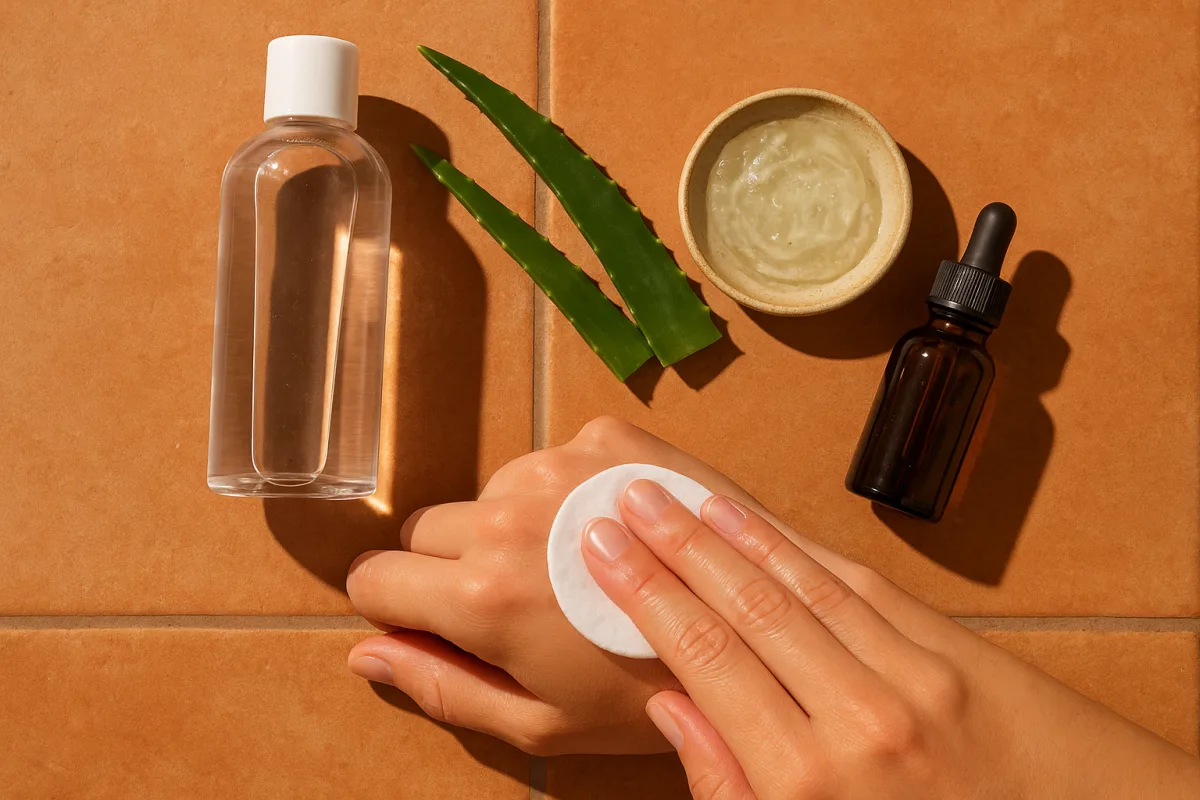
First, decide whether toner solves a problem you actually have
Dry skin does not automatically need a toner. It needs a routine that cleanses without stripping, adds water-binding ingredients, and seals that hydration in with a moisturiser. Toner can make that routine easier, but it is not the step that replaces cleansing or moisturising. [1][8][16]
The useful version for dry skin is generally a hydrating toner, sometimes labelled essence, lotion or milky toner. Its job is cosmetic and practical: add a light layer of humectants after cleansing, so skin feels less tight and subsequent moisturiser spreads over damp skin. [1][7][23]
That is different from the classic astringent toner many people remember. Toners were long marketed as a way to remove remaining oil or residue, which is precisely why dry-skinned people often assume the category is not for them. Modern formulas vary widely. [15][16]
If your cleanser leaves your face comfortable and your moisturiser works well on its own, toner is optional. Do not add one because a ten-step routine says you should, particularly if your skin already reacts to frequent product changes. [1][16]
The first label problem: “hydrating” can still mean fragranced and drying
Turn the bottle around before being persuaded by words such as dewy, calming, rose-infused or pore-refining. For dry skin, look first for humectants, ingredients that hold water in the outermost layer of skin, especially glycerin and hyaluronic acid. [1][3][6]
Glycerin is a particularly sensible ingredient to find in a dry-skin toner because it is a straightforward humectant, rather than a trendy botanical with vague promises. Hyaluronic acid serves the same broad water-binding role, though the brief does not establish an ideal concentration for either ingredient. [1][3][6]
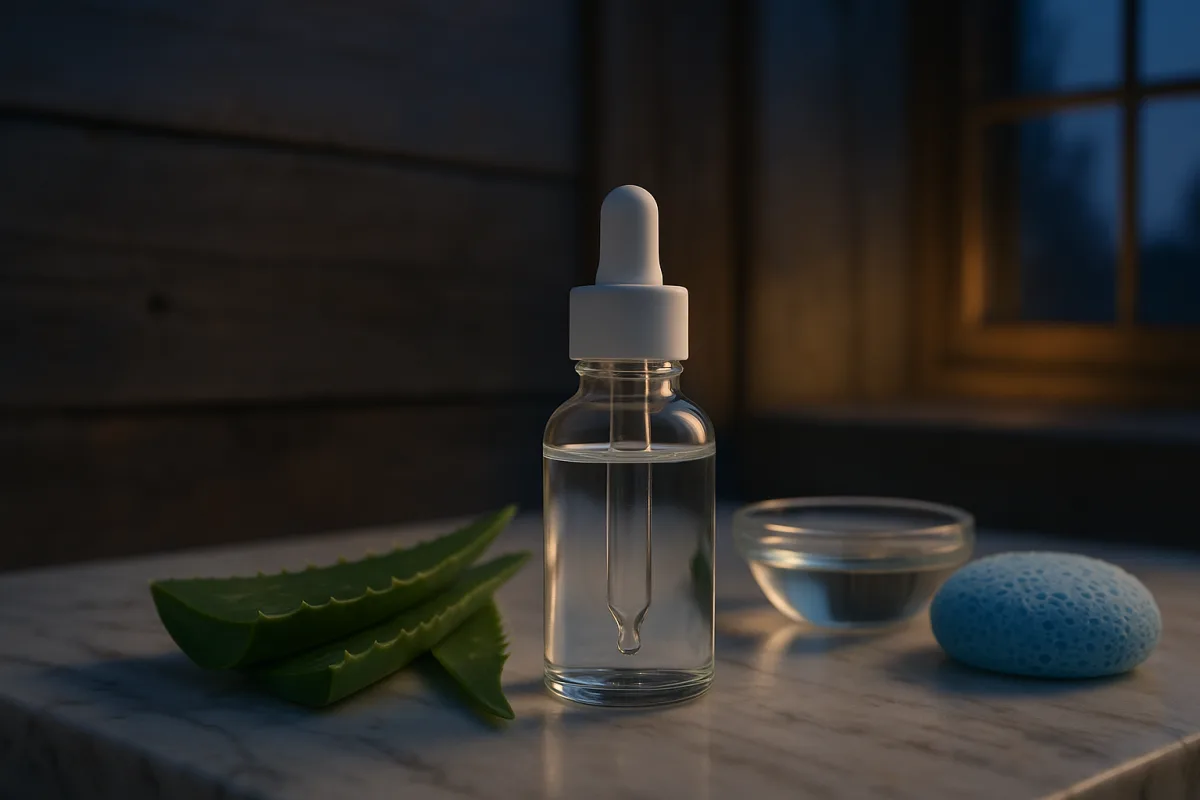
Next, look for soothing and barrier-oriented ingredients. Aloe vera and panthenol are repeatedly recommended for dry skin, while ceramides and niacinamide are relevant where you want more support for a compromised-feeling barrier rather than a sharp, freshly stripped finish. [1][6][8]
That said, ingredient presence is not the same as evidence that one toner will outperform another. The research brief found no clinical comparisons of particular toner formulas, no proven best concentration of these ingredients, and no direct evidence that a milky texture hydrates better than a watery one.
What to leave on the shelf
Avoid toners marketed around alcohol-heavy freshness, aggressive oil control, “pore tightening,” or a squeaky-clean after-feel. Sources on dry-skin toner selection consistently flag alcohol, fragrance and harsh exfoliating acids as ingredients more likely to add irritation or moisture loss than useful hydration. [1][2][6]
Fragrance deserves the same scrutiny as alcohol. A toner can contain glycerin and still be a poor match if fragrance is a recurring trigger for your skin, because a hydrating step is not worth turning into an unnecessary source of stinging or redness. [1][2]
Do not assume that all acids are forbidden forever. The issue is that an exfoliating acid toner has a different purpose from a hydrating toner, and dry skin has less room for enthusiastic experimentation when its barrier already feels under strain. [17][18]
If a product stings persistently, causes a rash, cracking, marked scaling or swelling, stop treating it as a toner-selection puzzle. Those symptoms can have several causes and warrant advice from a dermatologist or other qualified clinician, rather than more actives.
pH matters, but not enough to become a shopping obsession
Skin is naturally mildly acidic, with sources placing its pH around 4.7 to 5.75. For dry skin, the practical recommendation is usually a toner between pH 5 and 6, a range intended to be compatible with barrier function while avoiding needless harshness. [4][5][6]
There is no single clinically settled “perfect” toner pH. The pH 5 to 6 recommendation is slightly higher than some estimates of the acid mantle, and regional guidance varies, so treat it as a useful guardrail rather than a number that guarantees performance. [4][5][19]
In humid climates, guidance leans toward lighter toners with a pH around 4 to 5. In arid climates, the emphasis shifts toward richer humectants and barrier lipids, with pH 5 to 6 generally suggested for dry skin. [19][20]
Most product labels do not disclose pH, and you do not need to hunt down test strips. If a brand states pH, use it as one data point. If it does not, the ingredient list and your skin’s comfort are more actionable. [4][5]
Separate a hydrating toner from an exfoliating one
A hydrating toner can fit into a once- or twice-daily routine because its role is moisture support after cleansing. An exfoliating toner uses acids to loosen surface dead skin cells, so treating the two formats as interchangeable is a common route to overdoing it. [1][8][17]
For dry skin in a humid climate, exfoliating toner guidance generally lands at two or three uses weekly, adjusted down if skin feels tight or reactive. In an arid climate, once weekly is the more cautious starting point because dryness raises the cost of over-exfoliation. [17][19]
Do not use an exfoliating toner simply because your skin looks dull after a few dry days. Dullness may reflect dehydration, a disrupted barrier or accumulated flaking, none of which proves that more acid is the right answer. [17][18]
The brief does not provide direct research on how toner acids interact with every other active in a dry-skin routine. That gap is worth respecting: introduce one change at a time, and do not stack multiple strong leave-on actives casually.
Build the routine in the order it actually goes on
After cleansing, leave skin slightly damp rather than towelling it completely dry. Apply the hydrating toner with clean hands or a soft cotton pad, then follow promptly with moisturiser so the toner is part of a hydration system rather than a standalone splash of water. [1][7][8]
Hands are often the simpler choice for a hydrating formula because they avoid soaking up product in a pad and encourage pressing rather than rubbing. Cotton can be useful if you are applying a product as directed for light surface exfoliation, but do not scrub. [8][17]
Start once daily, preferably after your gentlest cleanse, if you are prone to sensitivity or are changing several products. Move to twice daily only if the formula remains comfortable and it fits around a moisturiser and sunscreen routine you already tolerate. [1][8]
Expect the immediate effect to be cosmetic: skin may feel more comfortable, look temporarily plumper and accept moisturiser more pleasantly. The sources do not provide long-term controlled data showing that a particular toner frequency repairs dry skin or produces a defined barrier improvement.
Adjust for weather before you blame the toner
Winter commonly calls for more hydration and barrier support. That can mean choosing a toner with glycerin, hyaluronic acid, panthenol, ceramides or niacinamide, then using a more substantial moisturiser over it rather than searching for a harsher “renewing” product. [6][13][14]
Summer does not mean abandoning hydration. It means that a lighter, less occlusive formula may feel more workable, especially in humid weather, while alcohol-heavy toners remain a poor trade for dry skin just because the weather feels sticky. [13][14][19]
Dry indoor heating, wind and low humidity can make a previously acceptable exfoliating routine feel suddenly too much. Reduce acid-toner frequency before adding more products, and keep the everyday toner focused on humectants and barrier support. [13][19][20]
Set a budget after you set the ingredient standards
Hydrating toners span roughly $10 to $140, according to retail and editorial coverage. That range is useful proof that this category is not inherently expensive, not proof that a $10 toner matches every luxury formula or that a $140 toner is more effective. [2][9][12]
There is no direct evidence in the brief linking toner price to hydration results or ingredient quality. Spend according to the formula you can use consistently, the size of the bottle, and whether it avoids your known irritants, not the promise of a transformative result.
Product reviews can still help with practical details such as packaging, texture and whether a formula leaves residue. They are less useful for deciding what “works” medically, because toner results are usually subtle, personal and easily confused with changes elsewhere in a routine. [2][23]
A final reality check: a good dry-skin toner should make the rest of your routine easier, not become its most dramatic step. If you need it to fix ongoing pain, cracking, severe itch or persistent inflammation, that is a dermatologist conversation, not a shopping category.
Frequently Asked Questions
What ingredients should I look for in a toner for dry skin?
Look for humectants such as glycerin and hyaluronic acid, which help hold water in the outermost skin layer. Soothing and barrier-supporting ingredients like aloe vera, panthenol, ceramides, and niacinamide are also beneficial for dry skin. Avoid relying on marketing terms and instead check the ingredient list for these key components.
How often should I use toner if I have dry skin?
Use a hydrating toner once or twice daily after cleansing. Apply it by pressing onto still-damp skin before applying moisturizer to enhance hydration. Exfoliating toners are a separate category and should not be used daily for dry skin.
Can toner help improve dry skin hydration?
Yes, hydrating toners add a light layer of humectants after cleansing, which helps skin feel less tight and supports better absorption of moisturizer. However, toner does not replace cleansing or moisturizing but can make the overall routine easier and more effective.
Which ingredients should I avoid in toners for dry skin?
Avoid toners that contain alcohol, fragrance, or strong exfoliating acids if your skin is dry, tight, or easily irritated. These ingredients can cause further dryness and irritation, undermining skin barrier health.
How do I apply toner correctly for dry skin?
Apply toner by pressing it gently onto skin that is still damp from cleansing. This method helps lock in moisture and prepares the skin for moisturizer. Avoid using toner as a cleanser or overusing exfoliating toners, which can disrupt the skin barrier.
How we researched this
This article was assembled from 23 cited references.
Nothing here is based on hands-on testing. Where a figure or finding appears, it belongs to the source cited beside it, and the writing says so rather than implying otherwise. Every source is listed below so you can check it.
Sources
- Toner for Dry Skin: How to Pick the Best One and How to Use It
- 9 Best Toners for Dry Skin for a Deep (Yet Gentle) Clean | Allure
- Best Hydration Toner for Dry Skin | Gentle Glow Guide – Cosmedica Skincare
- What is pH? Understanding pH Value & Its Role in Skin Health
- A Guide to the pH Levels of Skin Care Products and How They Impact Your Skin
- Best Toners For Dry Skin: A Scientific Guide
- The Best Toner for Dry Skin & How to Layer It | Dear, Klairs
- Tips for Using Toner | CeraVe
- Best Skin Care Toners for Face 2026 | Ulta Beauty
- CeraVe Hydrating Toner for Normal to Dry Skin 200ml - uCare
- Fresh Rose Deep Hydration Facial Toner 3.3 oz - Hydrating Face Water 100 ml | Buy Now with Express International Delivery | GoSupps.com
- Face Toner for Dryness | Nordstrom
- Transition Your Skincare Routine When The Seasons Change | SkinCeuticals
- Why Your Toner Feels Different in Summer Than in Winter - Patchology.ORG
- 5 myths about toners that you don't have to believe anymore, according to skincare pros | Vogue India
- Don’t Fall for These Common Myths About Toner | Skincare.com
- After Seriously Glowy Skin? Here's Your Expert Guide to Exfoliating Acids
- 7 ways you may be sabotaging your skincare routine without realising, according to a dermatologist
- Toner 101: Best Toner for Dry Climates & Changing Weather | Gloglogirl
- What Happens If You Skip Toner In A Low-humidity Climate — Does Skin Compensate | ToolGuideDaily
- Best Toner for Dry Skin: How to Choose the Right One
- Byoma Hydrating Milky Toner, Reviewed By A Sceptical Beauty Editor | Marie Claire UK
Related Articles
How to Choose a Gentle Cleanser for Sensitive Skin
Learn how to choose a gentle cleanser with skin-friendly pH and safe ingredients to avoid irritation and support sensitive skin health.
How to Choose a Skincare Routine for Aging Skin
Learn how to choose a skincare routine for aging skin with tips on sunscreen, retinoids, and avoiding irritation for effective anti-aging care.
How to Choose a Face Mask for Oily Skin
Learn how to choose a face mask for oily skin with tips on ingredients, usage, and avoiding irritation for a balanced, shine-free complexion.
Best Ingredients for Dry Skin: Essential Guide
Discover the best ingredients for dry skin and how they work to keep your skin hydrated and healthy.