
When to Apply Moisturizer for Best Hydration and Skin Care
Learn when to apply moisturizer for best hydration, why timing matters, and how morning and night use benefit your skin.
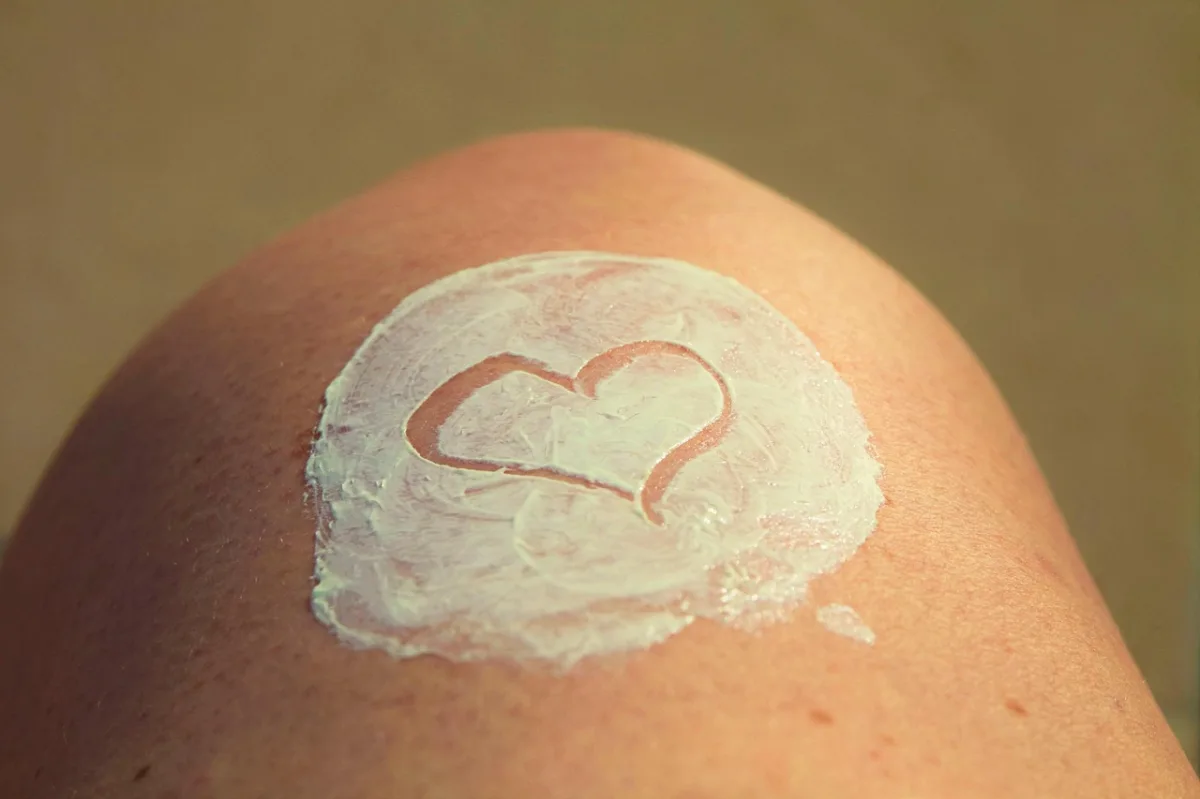
Photo: chezbeate via Pixabay
The three-minute window
The water still sitting on your cheeks after cleansing is the moment to use. Pat away drips, leave skin slightly damp, then apply moisturizer before that water fully evaporates, ideally within about three minutes. [7][10]
This is the timing that keeps coming up because cleansing changes what is happening at the skin’s surface. Once you rinse, water is available on the outermost layer of skin, but it does not stay there for long.
As that leftover water evaporates, it contributes to transepidermal water loss, often shortened to TEWL. That is the gradual escape of water from skin into the air, and it is one reason freshly washed skin can feel dry or tight. [7][10]
Moisturizer applied to damp skin helps hold onto some of that water while it is still present. The reported benefit is improved hydration and less water loss, not a permanent change to your skin or a fix for every cause of dryness. [7][10]
Think of moisturizer as a layer you add before the bathroom air gets the chance to take the remaining water with it. If you wait until your face is completely dry, there is less surface water available to seal in.
The window is not a stopwatch test. Some guidance says to apply moisturizer within seconds of washing, while other guidance allows up to five minutes after cleansing. [2][7][10]
We would use three minutes as the workable target. It is specific enough to change your routine, yet it leaves room to towel off, walk from the sink, and apply your product without treating a few seconds’ delay as failure.
Why morning and night work better than one application
A morning application protects the hydration you have when the day starts. An evening application replenishes moisture after cleansing away sunscreen, makeup, oil, and the residue that collected on your skin through the day.
Twice-daily moisturizing, morning and night, is standard advice for supporting hydration and the skin barrier. [1][7][11] Once a day may be enough for some people’s comfort, but the available guidance consistently favors two applications for sustained hydration.
The cost of skipping the evening application is often straightforward: you cleanse, remove the layer you applied in the morning, then leave skin without fresh moisturizer for the night. That can be a long dry interval.
The cost of skipping the morning application is different. You may start the day with skin that feels comfortable after your nighttime product, then expose it to changing air, temperature, and cleansing without restoring moisture or applying daily UV protection.
A 2021 study in the Journal of Cosmetic Dermatology found that application timing and frequency affect hydration. It did not establish separate timing rules for dry, oily, or combination skin. [13]
That limitation is important if you have been told that oily skin should moisturize at a different time of day. The material supports changing the formula to suit how your skin feels, but not changing the basic damp-skin, twice-daily schedule by skin type.
Morning: hydration plus SPF
Your morning moisturizer has one additional job: it needs to fit with daytime sun protection. CeraVe recommends a lightweight facial moisturizer with broad-spectrum SPF 30 or higher for daytime use. [1]
A moisturizer with SPF can make a routine easier to repeat because hydration and sun protection happen in one step. The hydration benefit still comes from regular moisturizer use, while SPF addresses UV exposure, which is a separate job. [1]
Lightweight does not mean ineffective. It means the formula is intended to feel more comfortable during the day, when humidity, heat, sweat, and other products can make a heavy layer feel unpleasant.
If a thick morning cream makes you skip moisturizer altogether, it is a poor fit for your routine. Consistency is repeatedly identified as part of getting the hydration benefit from moisturizing. [7][11]
Apply it after cleansing while skin remains slightly damp. If your cleanser is used in the shower, do not wait until you have made coffee, answered messages, or let your face air-dry completely.
Night: the richer application
Night is where a richer moisturizer can earn its place. NicerSkin reports that skin permeability increases during sleep, and nighttime moisturizers may be richer or include active ingredients intended to support skin repair. [9]
You do not need a separate night cream for hydration if your existing moisturizer is comfortable and you use it consistently. A separate product is mainly a texture choice, not a requirement created by the clock.
For dry-feeling skin, a richer product at night can be easier to tolerate because you are not trying to wear it beneath makeup, sunscreen, or a day’s worth of heat and humidity. [9]
Apply it after your evening cleanse, while skin is still damp. If you use other leave-on skincare products, we found no universal waiting period between those steps, so do not invent one.
The priority is avoiding the long gap between cleansing and moisturizing. Waiting beyond five minutes after washing is listed as a common reason lotion can feel as if it “sinks in” while skin still feels dry. [10]
Amount matters, but it is not one fixed number
Timing can be right and hydration can still disappoint if you use too little product. For the face, a nickel-sized amount is a commonly recommended starting point, adjusted for the richness of the moisturizer. [3][4]
For the body, guidance commonly suggests about one tablespoon, again with adjustment for the texture of the product and the area you are covering. [3][4] A thin lotion and a dense cream will not spread the same way.
Do not read those figures as clinical doses. They are starting amounts meant to prevent the familiar mistake of using a tiny dot for an entire face, neck, arms, or legs and expecting a full moisturizing layer.
Use enough that you can distribute the product evenly without aggressive rubbing. The goal is coverage while skin is damp, not working the product into dry skin long after the water from cleansing has disappeared.
If a nickel-sized facial amount feels excessively greasy, the issue may be texture, not timing. A lighter moisturizer can make twice-daily use easier, while a richer formula may fit better at night or in dry weather.
Weather changes the formula, not the clock
Cold, dry conditions can increase the need for richer moisturizers and more frequent application. Humid, warm conditions often make lighter formulations feel more comfortable and easier to keep using. [5][6]
The timing principle does not change with the season. Whether it is August or January, apply after cleansing while skin is slightly damp, then use the texture that suits the conditions you are actually living in.
Humidity can make skin feel less dry because there is more moisture in the air. That does not mean moisturizer becomes pointless, particularly if cleansing leaves your face feeling tight or uncomfortable. [5]
In dry weather, you may need to moisturize more frequently, especially on the body. [6][7] We found no precise number of extra applications or measured humidity threshold, so any rigid seasonal schedule would be guesswork.
A light gel or lotion may be easier to use in heat, while a cream may feel better in cold indoor air. Pick the texture you will apply reliably after washing, not the one with the most elaborate marketing story.
The mistakes that lose the hydration benefit
Applying moisturizer to fully dry skin is the big one. You still get a layer of moisturizer, but you miss the advantage of applying it while water remains on the skin after cleansing. [7][10]
The second mistake is delay. Cleansing, drying your face completely, getting dressed, and then applying moisturizer five or ten minutes later turns a simple hydration step into a less favorable one. [2][10]
The third is inconsistency. A rich cream used occasionally will not maintain the same routine hydration as a product you apply comfortably each morning and evening. [7][11]
We would not chase the claim that there is one exact second when moisturizer stops working. The available guidance ranges from almost immediately after cleansing to within five minutes, with roughly three minutes as the recurring middle ground. [2][7][10]
Use that range to make the routine automatic: cleanse, pat, moisturize. In the morning, choose a lightweight broad-spectrum SPF 30 or higher moisturizer if that format works for you. At night, use the texture your skin tolerates best. [1][9]
Frequently Asked Questions
Why should moisturizer be applied to damp skin?
Moisturizer applied to damp skin helps hold onto the water remaining on the skin’s surface after cleansing. This reduces transepidermal water loss, which is the evaporation of water from the skin into the air, and improves overall hydration. Applying moisturizer before the skin fully dries seals in moisture more effectively.
How does applying moisturizer within minutes after cleansing improve hydration?
Applying moisturizer within about three minutes after cleansing takes advantage of the water still present on the skin’s surface. This timing helps trap moisture before it evaporates, reducing dryness and tightness caused by water loss. Waiting too long allows more water to escape, making moisturizer less effective at maintaining hydration.
Is it better to moisturize twice a day or once?
Moisturizing twice daily, after morning and evening cleansing, is recommended to maintain consistent skin hydration. Morning application protects skin throughout the day, while evening application replenishes moisture lost from cleansing and daily exposure. Although once a day may suffice for some, twice daily use better supports the skin barrier and hydration.
What is the difference between morning and night moisturizer application?
Morning moisturizers are typically lightweight and include broad-spectrum SPF 30 or higher to protect against UV damage during the day. Night moisturizers tend to be richer to provide extra hydration and support skin repair while you sleep. Both applications serve different purposes but together maintain hydration and skin health.
How we researched this
This article was assembled from 13 cited references.
Nothing here is based on hands-on testing. Where a figure or finding appears, it belongs to the source cited beside it, and the writing says so rather than implying otherwise. Every source is listed below so you can check it.
Sources
- Facial Moisturizing 101 | How To Moisturize Your Face | CeraVe
- Moisturizer After Washing Your Face | TroubleDiary
- How Much Moisturizer Should You Use?, FATCO
- How much moisturizer should you use? | Best Facial Skin Care
- Do I need moisturizer in humid weather? · ComfiSkin
- Moisturizer Texture in Humid vs Dry Weather: Adjusting Your Routine | Physical Glow
- How Often Should You Apply Lotion - ScienceInsights
- My 54-Year-Old Mom and I Struggle With Dry Skin-7 Derm-Approved Moisturizers We Both Swear By
- Morning vs Night Skincare Routine: What to Apply and When | NicerSkin
- Moisturizer Not Working? 9 Reasons Your Lotion 'Sinks In' but Your Skin Still Feels Dry, LYMPHODERM
- Applying Moisturizer Wrong Is Actually Very Common, Here’s How to Do It Right | Glamour
- How to Moisturize Face: Expert Tips, When to Do It, and Ingredients
- Optimal application method of a moisturizer on the basis of skin physiological functions
Related Articles
Best Time to Apply Moisturizer: When and How to Do It Right
Learn the best time to apply moisturizer for optimal hydration and how to layer it properly in your skincare routine.
Best Time to Apply Retinol: Nighttime and Dry Skin Tips
Learn the best time to apply retinol, why nighttime matters, and how waiting after cleansing reduces irritation for a better skincare routine.
Best Time to Exfoliate Skin: Morning or Night Explained
Discover the best time to exfoliate skin, why night is preferred, and how to protect your skin after exfoliation with sunscreen.
Best Time to Apply Sunscreen for Maximum Protection
Learn the best time to apply sunscreen, how much to use, and when to reapply for effective sun protection.