
Best Ingredients for Dry Skin: Essential Guide
Discover the best ingredients for dry skin and how they work to keep your skin hydrated and healthy.
The Best Ingredients for Dry Skin: Unpacking the Essentials
Ah, dry skin. It’s the bane of existence for many, akin to being stuck in a traffic jam on the M25 with no sign of relief. The relentless tightness, the unsightly flakes, and let’s not even begin with the itchiness. If you’re reading this, it’s likely that you’ve had enough of the discomfort and are on the hunt for solutions. Well, buckle up, because we’re about to dive into the mechanics of some of the best ingredients for dry skin and how they work, or sometimes fail to work, under different conditions.
The Hydration Heavyweights: Hyaluronic Acid and Glycerin
When it comes to battling dry skin, two ingredients often rise to the top of the list: hyaluronic acid and glycerin. Both are humectants, meaning they attract moisture to the skin. However, they come with their own quirks that are crucial to understand.
Hyaluronic Acid is a superstar in the skincare world, often lauded for its ability to hold 1,000 times its weight in water. Sounds brilliant, doesn’t it? But here’s the kicker: while concentrations between 0.1% and 2% are typically effective, higher concentrations can lead to a sticky texture that feels about as pleasant as slathering glue on your face. What’s more, in low humidity environments, hyaluronic acid may actually draw moisture from the deeper layers of your skin instead of the air, exacerbating dryness rather than alleviating it. It’s the skincare equivalent of trying to quench your thirst with saltwater, counterproductive and utterly disappointing.
Glycerin is another contender in the hydration arena, and it works similarly by pulling moisture into the skin. However, much like hyaluronic acid, it has its nuances. High concentrations of glycerin can also feel sticky, and if applied in very dry conditions without an occlusive agent to seal it in, it risks drawing moisture out of the skin. This is a detail often glossed over in the rush to recommend it.
So, what’s the takeaway here? Both ingredients are great, but they require a skilled hand to be effective. Always apply them to damp skin, and seal the deal with an occlusive layer, like a good old-fashioned petroleum jelly or a rich cream, especially in dry environments.
The Mighty Ceramides: A Barrier Against Dryness
Next up, we have ceramides. These little wonders are lipids that occur naturally in the skin and are essential for maintaining the skin’s barrier. They help lock in moisture and protect against environmental aggressors. The beauty of ceramides is that they work tirelessly to repair and reinforce your skin’s outer layer, making it more resilient against the onslaught of dry air, UV radiation, and pollution.
Here’s the twist: while ceramide-containing moisturizers are often marketed at premium prices, evidence suggests that cost doesn’t necessarily correlate with effectiveness. In other words, splurging on a high-end product doesn’t guarantee better results than a budget-friendly option. This is a crucial detail that many consumers overlook, mistaking price tags for efficacy.
The Unsung Hero: Squalane and Shea Butter
Moving on, let’s not forget about squalane and shea butter, both of which can be incredibly effective for dry skin. Squalane, a derivative of squalene (an oil naturally found in our skin), is an emollient that hydrates while also providing a protective barrier. It’s lightweight, absorbs quickly, and leaves your skin feeling silky rather than greasy.
Shea butter, on the other hand, is a bit heavier and serves as a great occlusive agent, locking moisture in and preventing transepidermal water loss. It’s rich in fatty acids and vitamins, making it not only hydrating but also nourishing for the skin.
While both ingredients are excellent, the key is to understand your skin type and the environment you’re in. If you live in a humid climate, squalane might be your go-to, whereas shea butter could be better suited for the colder, drier months when your skin craves that extra layer of protection.
Environmental Factors: The Real Enemies of Hydration
Now, let’s talk about the environment. You might be slathering on the best products, but if you’re in a place with low humidity or suffering from indoor heating during winter, your efforts could be in vain. Low humidity can sap moisture from your skin faster than you can say “serum,” while UV radiation can damage your skin’s barrier, making it more susceptible to dryness.
The use of humidifiers in your home can be a game-changer. By adding moisture back into the air, you create a better environment for your skin to thrive. Additionally, don’t underestimate the impact of air pollution, though still being studied, there’s strong evidence suggesting that pollutants can hinder skin hydration and accelerate aging.
Allergens: The Hidden Saboteurs
Another factor to consider when grappling with dry skin is the presence of common allergens in your skincare products. Fragrances, preservatives, and dyes are notorious for exacerbating dryness and irritation for many individuals. If you find that your skin reacts poorly to certain products, it may be time to take a closer look at the ingredient list and steer clear of potential irritants.
The moral of the story is that while you may be doing everything right, the products you choose can still be undermined by ingredients that don’t play well with your skin.
Conclusion: The Holistic Approach to Dry Skin
So there you have it. The best ingredients for dry skin are not just about picking the right name off the shelf. It involves understanding how each ingredient works, the conditions in which they perform best, and the environmental factors that can thwart your efforts.
The ideal skincare routine for dry skin is one that balances effective humectants like hyaluronic acid and glycerin with occlusive agents like shea butter, all while being mindful of your surroundings. Remember, applying these products to damp skin and sealing them in is crucial.
And let’s not forget about the importance of cost; just because something is pricey doesn’t mean it’s better. Sometimes, the supermarket special offers the same hydration as a luxury brand.
With a little knowledge and a few tweaks to your routine, you can combat dry skin effectively, turning that tight, flaky mess into a smooth canvas. It’s all about getting the right balance, like finding the perfect driving position in a sports car. Get it right, and the ride will be smooth. Get it wrong, and you’ll feel every bump along the way.
Frequently Asked Questions
What are the best ingredients for dry skin?
The best ingredients for dry skin include hyaluronic acid, glycerin, ceramides, squalane, and shea butter. These ingredients are known for their hydrating properties and ability to help maintain the skin's moisture barrier.
Which ingredients help relieve dry skin?
Hyaluronic acid and glycerin are effective humectants that attract moisture to the skin, while ceramides help repair and reinforce the skin's barrier. Squalane and shea butter also provide hydration and protection against moisture loss.
How do I choose products for dry skin?
When choosing products for dry skin, look for those containing effective humectants like hyaluronic acid and glycerin, and ensure they are paired with occlusive agents like shea butter to seal in moisture. Additionally, consider your environment and skin type to select products that will work best for your specific needs.
Sources
- Skincare Ingredients for Dry Skin | APDerm
- Don't Sleep on Glycerin-Experts Say It's The Superior Hydrating Ingredient for Dry Skin
- 7 of the Best Ingredients for Dry Skin | La Roche Posay
- The best moisturisers for dry skin - as reviewed by our beauty team
- Dry Skin, Best Ingredients & Routine | Skincare Database
- Hyaluronic Acid - Usage, Research & Evidence | Skincare Database
- Hyaluronic Acid: The Complete Guide for Every Skin Type
- Glycerin for Skin: A Guide to Skin Care Benefits | Paula's Choice
- How Often Should You Apply Lotion - ScienceInsights
- How to Use Ozonated Glycerin: Application Guide, Kōzōn
- How To Use Glycerin for Skin Without Overdoing It | L’Oréal Paris
- Ceramide Moisturizers for Hydrated Skin
- 13 Best Ceramide Moisturizers of 2025 for a Stronger Barrier | Allure
- Ceramide Face Moisturizers | Macy's
- Beauty Expert Naomi Shares Ceramide Cream Cost & Review 2026: What’s Worth Buying, What’s Overpriced, and Who Actually Needs It | Taitheme.net
- Autumn skin barrier repair: what the evidence supports, DermatologyNews
- A global score for skin environmental exposure: integrating UV radiation, heat, and pollution via fuzzy analytic hierarchy process | International Journal of Biometeorology | Springer Nature Link
- Dry, itchy skin? Dermatologists say a humidifier can help.
- How Environmental Factors Affect Your Skin, SAJMO COSMETICS
- Allergens in Cosmetics | FDA
- Choosing the Best Moisturizer for Dry Skin
- Skincare Routine For Seasonal Changes - SkinCeuticals Canada
- The Dry-Skin Products Dermatologists Recommend Most
- 13 Winter Skin-Care Routine Essentials in 2024, According to Dermatologists | Allure
Related Articles
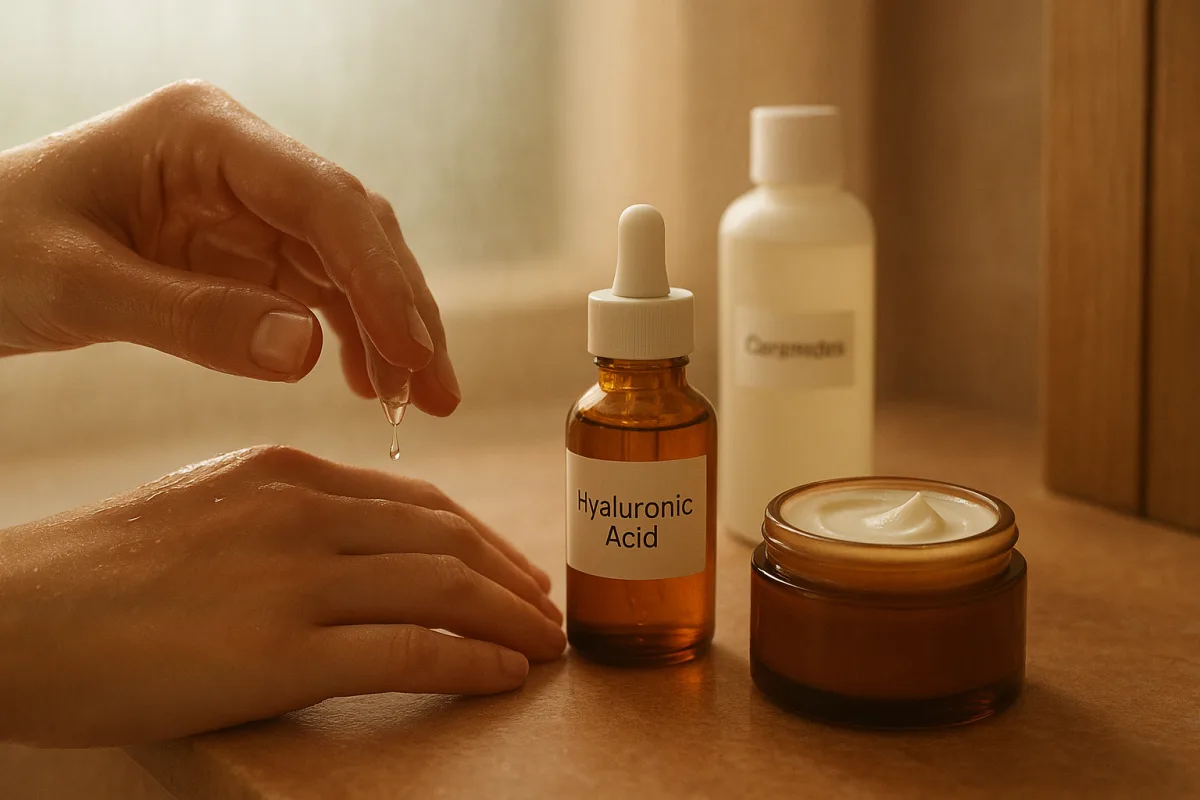
Best Ingredients for Skin Hydration
Discover the best ingredients for skin hydration, how to use humectants and moisturizers for effective water retention and skin barrier support.
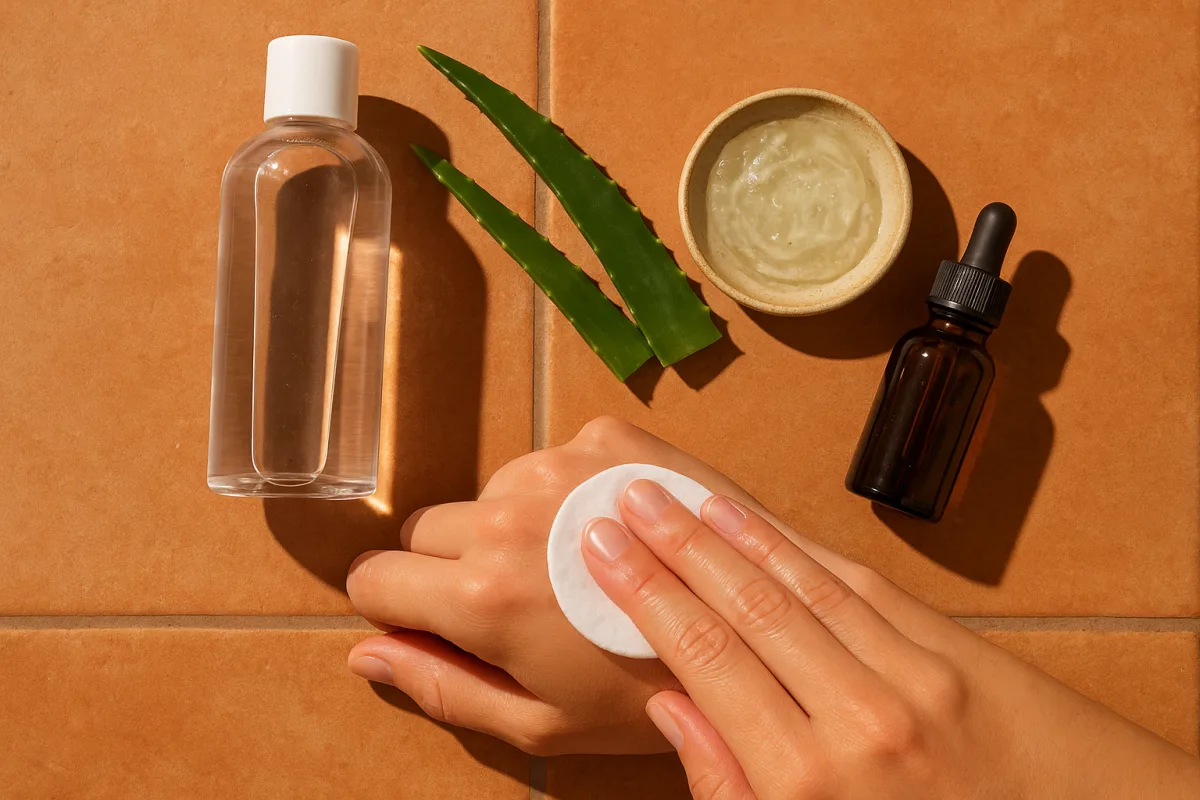
How to Choose a Toner for Dry Skin: Key Tips and Ingredients
Learn how to choose a toner for dry skin with expert tips on ingredients, usage, and what to avoid for better hydration and skin comfort.
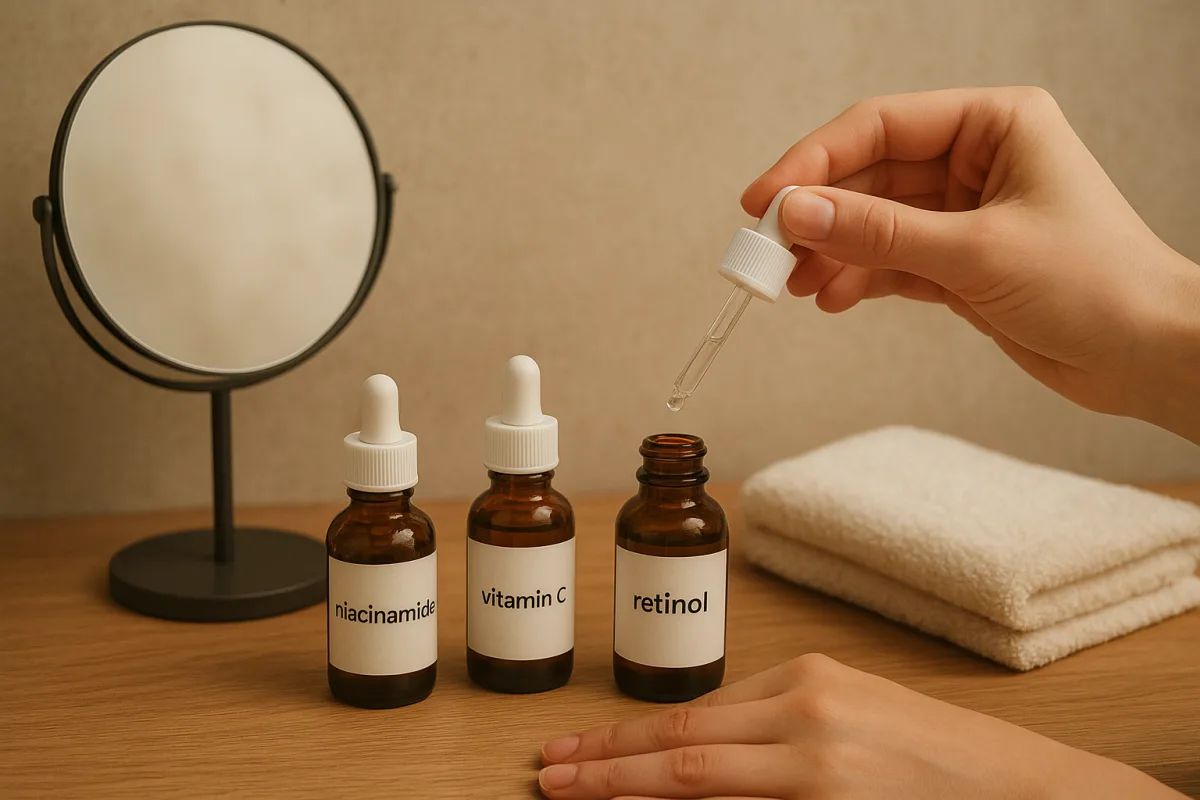
How to Choose a Face Serum for Your Skin Type and Needs
Learn how to choose a face serum based on your skin type, key ingredients, and usage tips for effective skincare results.
How to Choose a Face Mask for Oily Skin
Learn how to choose a face mask for oily skin with tips on ingredients, usage, and avoiding irritation for a balanced, shine-free complexion.