
How to Choose a Face Mask for Oily Skin
Learn how to choose a face mask for oily skin with tips on ingredients, usage, and avoiding irritation for a balanced, shine-free complexion.
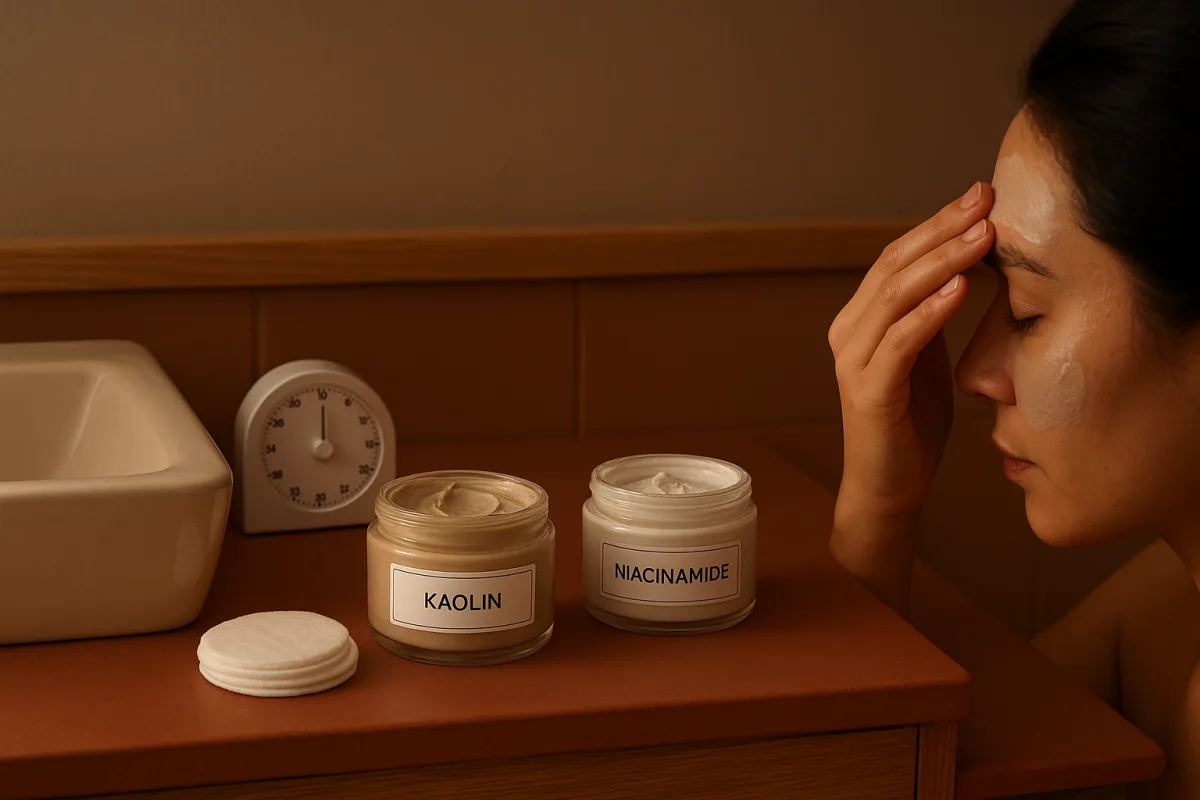
Start with the problem you want a mask to address
“Oily skin” is not one problem. You might mean midday shine across the forehead, makeup sliding around your nose, a rough-looking T-zone, or pores that look more noticeable when filled with oil and dead skin cells.
A face mask can be useful as a short-contact, targeted cosmetic step. It may temporarily reduce surface oil, improve the look of shine or leave skin feeling smoother. It is not a substitute for a basic routine built around gentle cleansing, moisturiser and daytime sunscreen. [1][5]
The most realistic place to begin is this: choose one goal per mask session. A product designed to absorb oil is not necessarily the best choice for rough texture, and a salicylic-acid formula is not automatically appropriate when your skin already feels tight or stingy.
There are no direct clinical trials comparing all mask types and active ingredients specifically in oily-skin groups, and no dermatology-association standard that tells everyone exactly which mask pH, duration or weekly frequency is ideal. The sensible approach is ingredient-led and cautious, rather than treating a dramatic before-and-after as evidence. [2][24]
If the immediate problem is shine: choose clay, not “detox”
For visible oiliness, kaolin and bentonite are the ingredients worth finding near the top of an ingredient list. These clay minerals absorb oil from the skin’s surface, which can make shine less obvious for a while and give pores a temporarily more refined appearance. [2][4]
That is a cosmetic effect, not evidence that a mask “cleans toxins” from skin. Pores do not open and close, and clay does not permanently shrink them. It can remove or absorb material that makes pores look more prominent, which is a narrower and more believable claim.
Clay masks are usually the straightforward option for someone whose skin gets shiny but is otherwise comfortable. Apply an even, thin layer after cleansing, avoiding eyes and lips, then rinse within 15 minutes. Guidance cited in the research brief puts clay and mud masks at one to three uses per week. [6][7]
More is not better here. Using a clay mask every day, leaving it on until it cracks, or using several oil-stripping products in the same evening can leave skin dehydrated and irritated. That can make an oily complexion feel simultaneously greasy and tight, which is not a skincare achievement. [6][21]
Kiehl’s Rare Earth Deep Pore Cleansing Masque is one named clay option in the supplied sources, priced at about $47. It suits someone specifically seeking a higher-priced clay format for temporary oil and pore-appearance control, not someone seeking a treatment for a skin disease. The price is for the product itself, not a guarantee of a stronger result. [9]
Fresh Umbrian Clay Pore-Purifying Face Mask is another clay-based option cited by Harrods. It suits the same broad purpose, surface-oil management and a fresher-looking T-zone, but the supplied research does not provide a reliable comparable price or clinical evidence showing it outperforms another clay mask. [12][13]
Innisfree Super Volcanic Pore Clay Mask is also listed among oily-skin clay products. It suits readers looking for a volcanic-clay style mask, but again, the supplied material does not provide a verified price or a head-to-head study demonstrating superior oil control. Product positioning is not comparative clinical evidence. [16]
If shine comes with visible congestion: consider salicylic acid
Salicylic acid, also called beta hydroxy acid or BHA, is oil-soluble. That matters because it can work within the oily environment of pores, helping loosen sebum and shed dead surface cells that contribute to a congested-looking texture. [3]
A salicylic-acid mask is therefore the more targeted choice when your concern is not just shine but blackhead-like dots, uneven texture or recurring clogged-pore appearance. It is not an overnight fix. Any smoother feel after one use may be mostly surface exfoliation, while changes in recurring congestion are generally slower and modest.
The Ordinary Salicylic Acid 2% Masque is the clearly specified budget example in the research brief: 50 ml, priced from approximately $12.90. It suits oily, congestion-prone skin seeking a 2% BHA mask, provided the user introduces it cautiously and does not stack it with other strong exfoliants that night. [14]
Two percent is a meaningful concentration, not a reason to use the product aggressively. Start once weekly, use it only as directed, and watch for burning, persistent redness, unusual peeling or tightness. Sources recommending salicylic acid for oily skin also caution that overuse can irritate. [3][14]
Do not combine a salicylic-acid mask with a rough facial scrub because you want a more dramatic result. Physical scrubs can add friction while the acid is already exfoliating chemically. The research brief specifically flags swapping chemical exfoliation for abrasive scrubbing as a common mistake for oily skin. [21]
If you use a leave-on retinoid, such as adapalene, keep a salicylic-mask night separate from it unless a dermatologist has given you individual instructions. Retinoids increase cell turnover and may help prevent clogged pores over time, but they are not a reason to overload one routine with irritating actives. [3]
Persistent painful bumps, extensive inflammation, sudden changes in oiliness or marks that are bothering you deserve medical advice rather than increasingly strong masks. A dermatologist can identify what is going on and suggest an appropriate treatment plan. [1]
If your skin is oily but reactive: prioritise support ingredients
Oily skin can still have a compromised barrier. If your face becomes shiny yet feels sore, flaky, itchy or tight after cleansing, the answer may not be another absorbent mask. First reduce the number of exfoliating and clay products, then reassess after a couple of weeks.
Niacinamide, vitamin B3, is a useful supporting ingredient to look for in a mask or, more practically, in a leave-on product used between mask days. Research cited in the brief suggests it can reduce sebum output by up to 23% and has anti-inflammatory effects. [3]
That figure needs context. It does not mean every niacinamide mask cuts your oil production by 23%, nor does it establish how a short rinse-off product performs. The source base does not provide direct comparative mask trials, so treat niacinamide as a reasonable supportive ingredient, not a guaranteed oil-control switch. [3]
Zinc PCA is another ingredient commonly marketed to oily skin. Its proposed role is to inhibit 5-alpha-reductase, an enzyme involved in sebum production, and to reduce activity associated with Cutibacterium acnes. But the research brief is clear that clinical evidence specific to zinc PCA in masks remains limited. [3]
In practical terms, zinc PCA can be a sensible bonus in a gentle mask, especially if you want an alternative to stronger acid-based formulas. It should not be the deciding factor if the rest of the formula is full of drying alcohol, heavy fragrance or several exfoliants your skin does not tolerate.
Azelaic acid is also relevant to uneven tone and blemish-prone skin because it has antibacterial properties and can reduce hyperpigmentation. However, the supplied evidence does not establish that an azelaic-acid mask is the best delivery format. A dermatologist or pharmacist can help if pigmentation changes are a major concern. [3]
Be cautious with charcoal and peel-off formulas
Charcoal masks are often sold as pore-clearing products. Their practical use is similar to clay masks: they may help with surface oil and temporary smoothness. Guidance in the research brief suggests one to two uses weekly, with a maximum 15-minute application. [2][7]
Peel-off masks can provide visible exfoliation and may lift loose surface debris. They are not inherently wrong for oily skin, but they can be irritating, particularly if the formula contains alcohol or fragrance or if you pull the film off aggressively. [8][22]
If you choose a peel-off product, use it sparingly, one to two times weekly at most, and follow the stated drying time, typically 15 to 20 minutes. Do not use it on skin that is already irritated, freshly exfoliated or sunburned. [8]
A tingling sensation is not proof that a mask is working. Stinging, burning or prolonged redness are reasons to rinse immediately and stop using it. Patch test a new mask on a small area first, especially if you react to fragrance, essential oils or exfoliating acids. [1][7]
Check the formula before the claims on the tub
Ingredient lists are not always easy to decode, but a few checks make choosing simpler. For oil control, look for kaolin or bentonite. For pore-focused exfoliation, look for salicylic acid. For gentler supporting care, look for niacinamide or zinc PCA. [2][3]
Be sceptical of lemon juice, baking soda and other DIY “oil-control” recipes. These ingredients can be harsh, and baking soda in particular is poorly matched to the naturally acidic skin surface. The research brief identifies DIY acids and alkaline mixtures as frequent sources of avoidable irritation. [20]
Skin’s surface is normally mildly acidic, around pH 4.7. A mask around pH 4.5 to 5.5 is often suggested to support the acid mantle and barrier, but this is extrapolated from general barrier research, not from robust mask-specific trials in oily skin. [24][25][26]
That distinction matters. pH is worth considering if a brand discloses it, particularly if you are prone to irritation, but it is not a magic quality marker. A well-designed formula, sensible contact time and your own tolerance are more useful guides than an isolated pH claim.
Build the mask into a routine that does not backfire
Mask after a gentle cleanse, not over a day’s worth of sunscreen, makeup and oil. Pre-cleansing gives the ingredients a clearer surface to contact and avoids the temptation to scrub harder than necessary. [5][21]
After rinsing, pat rather than rub. Then apply a lightweight, oil-free, non-comedogenic moisturiser. Skipping moisturiser because skin is oily is a common error, and dehydration can leave skin feeling uncomfortable and may encourage compensatory oiliness. [5][21]
In hot, humid weather, a lightweight clay or salicylic-acid approach may feel more useful because shine is often the immediate concern. In colder or drier conditions, reduce mask frequency and favour hydrating, barrier-conscious formulas even if your skin type remains oily. [17][18][19]
Climate advice is practical rather than settled science. The supplied research notes that seasonal formulation recommendations largely come from expert opinion and brand guidance, not large-scale clinical studies. Let your skin’s response, rather than the calendar alone, determine whether you need to scale back.
Finally, give a new approach time. A clay mask can change surface shine immediately, but it does not permanently alter sebum production. With salicylic acid or niacinamide, assess tolerance and modest changes over several weeks, not after one mirror check the next morning.
Frequently Asked Questions
How do I choose the right face mask for oily skin?
Start by identifying the main concern you want to address, such as shine, congestion, or texture. For temporary shine control, clay masks with kaolin or bentonite are effective. If oily skin is accompanied by visible congestion, a mask with 2% salicylic acid may be more appropriate. Avoid harsh DIY masks and choose products with proven ingredients rather than relying on vague claims like “detoxing” pores.
What ingredients should I look for in a face mask for oily skin?
Look for ingredients like kaolin and bentonite clays that absorb excess oil, salicylic acid which penetrates pores to dissolve sebum and dead cells, niacinamide to reduce sebum production, and zinc PCA to inhibit acne-causing bacteria. These ingredients have demonstrated benefits for oily and acne-prone skin.
How often should I use a clay mask for oily skin?
Clay masks should be used one to three times per week, with each application lasting no longer than 15 minutes. Overusing clay masks or leaving them on until they dry and crack can cause dryness and irritation, which may worsen oily skin by triggering compensatory oil production.
Can salicylic acid masks help with oily and congested skin?
Yes, salicylic acid masks at a 2% concentration can help reduce oiliness and clear visible congestion by dissolving sebum and dead skin cells inside pores. It is best to start using these masks once weekly to avoid irritation and adjust frequency based on your skin’s tolerance.
What face masks should I avoid if I have oily skin?
Avoid harsh DIY mixtures containing ingredients like lemon juice or baking soda, physical scrubs that can irritate skin, and fragranced peel-off masks if your skin is sensitive or prone to stinging. Overuse of masks or leaving them on too long can also harm the skin barrier and worsen oily skin.
How we researched this
This article was assembled from 27 cited references.
Nothing here is based on hands-on testing. Where a figure or finding appears, it belongs to the source cited beside it, and the writing says so rather than implying otherwise. Every source is listed below so you can check it.
Sources
- Here's what dermatologists are saying about your skin care routine: Keep it simple
- Best Face Masks for Oily Skin | Skin Intel
- Best Ingredients for Oily Acne-Prone Skin | SCRNE Blog | SCRNE
- Best Face Masks (2026): Clay — Neat Skincare
- Best Skin Care Routine for Oily Skin (2026 Guide)
- How Often to Use a Clay Mask | Best Facial Skin Care
- This Is How Often You Should Use a Face Mask: 11 Tips for All Types
- How Often to Use Peel Off Mask for Best Results | SACHET
- KIEHL’S RARE EARTH DEEP PORE CLEANSING MASQUE | attica
- Facial Masks for Oily Skin | Nordstrom
- Facial Masks for Oily Skin | Nordstrom Rack
- Fresh Umbrian Clay Pore-Purifying Face Mask (100ml) | Harrods AZ
- Skincare for Oily Skin & Oil Control | fresh US
- The Ordinary Salicylic Acid 2% Masque Sivilce ve Leke Eğilimli Ciltler İçin Maske 50 ml
- According to Editors and Derms, These $20-and-Under Face Masks Might Rival a $200 Facial
- Маска для лица Innisfree Super Volcanic Pore Clay Mask купить. Уходовые средства. Артикул 8809843678719.
- Seasonal Skin Type Changes | Dermatology
- How do climate and humidity worsen oily skin?
- Face serum recipe: adaptation to season and climate | Walker Formulation Academy
- DIY Face Masks for Oily Skin -
- Biggest Mistakes People with Oily Skin Make - Skinlab
- Best Face Masks for Acne and Oily Skin | Expert Skincare Tips by Oris Dental
- 5 skincare products that are a waste of money, according to a dermatologist
- The Acid Mantle and Skin pH: What You Need to Know | Cosmetic Verdict
- How To Keep The Skin Barrier Healthy – Skinfix USA
- Skin pH Protocol: How to Balance Your Skin's Acid Mantle | Veracil – Veracil.Com
- Is Dead Sea Mud Mask Good for Oily Skin? Benefits Revealed
Related Articles
How to Choose a Gentle Cleanser for Sensitive Skin
Learn how to choose a gentle cleanser with skin-friendly pH and safe ingredients to avoid irritation and support sensitive skin health.
How to Choose a Facial Sunscreen: SPF, Ingredients & Tips
Learn how to choose a facial sunscreen with the right SPF, broad-spectrum protection, and ingredients suited for your skin type and daily needs.
What to Look for in a Moisturizer: Key Factors Explained
Learn what to look for in a moisturizer, including ingredients, skin compatibility, and tips for choosing the right product for your needs.
Best Ingredients for Dry Skin: Essential Guide
Discover the best ingredients for dry skin and how they work to keep your skin hydrated and healthy.