
How to Choose a Toner for Oily Skin
Learn how to choose a toner for oily skin with tips on ingredients, pH, and usage to control shine and avoid irritation.
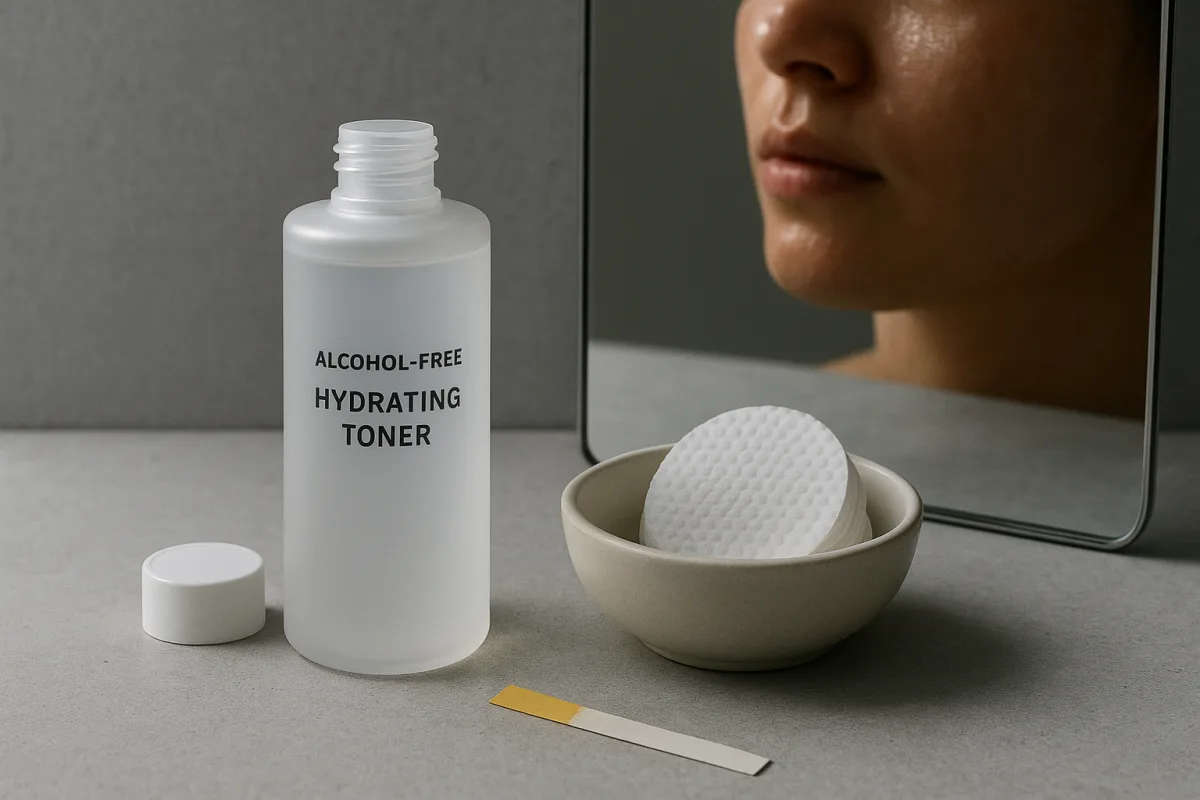
Start with the problem you actually have at 2 p.m.
“Oily skin” is not one concern. Some people mean a shiny T-zone by lunch. Others mean makeup slips, pores look congested, or skin feels oily and tight at once. Those call for different toner formulas.
A toner can temporarily reduce surface shine, add water-based hydration, or provide exfoliating ingredients. It cannot permanently shrink pores or switch off sebum production. Those are cosmetic effects, and usually modest ones, rather than medical treatment. [1][2][3]
Before buying, cleanse your face as usual and wait 20 to 30 minutes without applying products. If you are shiny but comfortable, you may tolerate an oil-control or exfoliating toner. If you are shiny and tight, prioritize hydration.
That tight-and-oily combination is where people often make things worse. Skipping moisturizer can leave skin dehydrated, and dehydration may make oiliness more noticeable. The Zoe Report identifies avoiding moisturizer as a common oily-skin mistake. [25]
If your skin feels squeaky-clean, avoid the “astringent” trap
Many toners marketed to oily skin use alcohol for an immediate matte, cool, tight sensation. That sensation is not proof that the product is balancing oil. High-alcohol formulas can remove too much surface lipid and aggravate dryness and irritation. [4][21][26]
Read the first several ingredients, not just the front label. If alcohol denat., ethanol, or a similar drying alcohol appears near the top, it is more likely to be a strong solvent-heavy formula than a hydrating one.
Witch hazel is often positioned as a gentler astringent option for oily skin, and it appears in ingredient recommendations for this skin type. Still, “natural” does not mean universally non-irritating, particularly if the formula also contains fragrance or alcohol. [1][3][30]
For skin that gets oily but reacts easily, an alcohol-free toner with humectants such as glycerin, hyaluronic acid, or aloe is the more cautious category. The goal is comfortable skin with less need to chase dryness using harsh cleansing. [17][19][26]
The research brief supports a pH range of approximately 4.5 to 6 for oily-skin toners. That is a formulation guideline, not a guarantee that a given pH will control oil, and many brands do not disclose pH. [5][6]
If pores look congested, choose one exfoliating active
For oily skin with recurring roughness or congested-looking pores, salicylic acid is usually the most logical toner active to look for. It is a beta hydroxy acid, or BHA, commonly used in oily-skin formulas because it is oil-soluble. [1][2][3]
Glycolic acid is an alpha hydroxy acid, or AHA. It works at the skin surface and is generally the better match when your concern is dullness or uneven-feeling texture rather than primarily oily-looking congestion. [2][3][28]
Neither ingredient needs to be used daily to be useful in a routine. The brief specifically advises introducing exfoliating toners two or three times a week, preferably at night, because overuse can impair the skin barrier and increase irritation. [7][23][28]
The concentration matters, but it is not supplied for most of the product examples in this brief. Do not assume an acid is mild because a toner is watery, or effective because a product says “clarifying” on the bottle.
A product name that includes “2 BHA” is not enough information to compare formulas unless the full label clarifies what that number represents. The supplied listing for Farmacy Deep Sweep 2 BHA Pore Cleaning Toner identifies a 4 oz size, but provides no verified current price or complete concentration details. [9]
That makes Farmacy’s 4 oz toner a product to investigate if you specifically want a BHA-led option, not a product that can responsibly be ranked by strength here. Check the retailer’s current listing and ingredient panel before purchasing. [9]
The same limitation applies to La Roche-Posay Effaclar Micro-Exfoliating Astringent Toner. Ulta and EDC Skincare listings identify it as an oily-skin astringent toner, but the supplied research does not give a current price, size, pH, or acid percentage. [12][13]
Use that La Roche-Posay category only if your skin tolerates astringent products and its current ingredient list does not place a high level of alcohol or fragrance ahead of your comfort. Astringency is not automatically a benefit. [12][13][21]
NEOSTRATA Clarify Oily Skin Solution Toner is listed by Dermstore in a 100 mL format and is identified as containing glycolic acid. It suits a shopper seeking an AHA-oriented option for surface texture, provided their skin tolerates glycolic acid. [14]
Again, no current price was included in the research brief, so one cannot make a factual value comparison with the 100 mL NEOSTRATA toner. Compare price per millilitre only after checking the same-day retailer listings. [14]
Do not confuse “oil control” with stripping
Origins Zero Oil Pore Purifying and Skin Care Clarifying Treatment Toner is listed by Walmart in a 5 oz size. Its name positions it toward oily skin and visible pore concerns, but the brief does not provide a price or full ingredient analysis. [15]
Origins Clear Improvement Pore Purifying Toner is a separate product listed by Macy’s. It may suit someone seeking a pore-focused toner category, but its name alone does not establish whether it is exfoliating, hydrating, alcohol-free, or appropriate for reactive skin. [16]
Aqua Bomb Hydrating Toner is listed in a 200 mL size by KBeauty Arabia. Based on that hydrating positioning, it is the better category to investigate when oiliness comes with tightness or seasonal dryness, rather than persistent congestion. [11]
None of those listings provides enough information in the supplied material to report a reliable 2026 price. That is worth stating plainly: prices vary by retailer and promotions, and inventing a price would make the comparison less useful, not more. [9][11][12][14][15][16]
Sephora’s oily-skin toner category is also a place to compare current options, but a retailer category is not evidence that every toner within it suits oily skin. Filter by ingredients, then read the actual product label. [10]
Match the toner to the season, not just your skin-type label
In hot, humid weather, a lightweight toner with oil-controlling or mildly astringent ingredients may feel more useful because shine tends to be more noticeable. That does not mean doubling your exfoliation schedule when summer arrives. [17][18][19]
In cold, dry, air-conditioned, or windy conditions, oily skin can still become dehydrated. Shift toward a hydrating, alcohol-free toner with ingredients such as hyaluronic acid or aloe, then follow with a light moisturizer. [17][19][20]
This is not a rule that you must own separate summer and winter routines. It is a prompt to respond to symptoms. If the same toner starts to sting or leaves flakes around the nose, reduce frequency or switch categories.
Apply it in a way that does not create a new problem
Toner comes after cleanser, not instead of it. Using toner alone leaves behind sunscreen, makeup, oil, and other residue that cleansing is designed to remove, which can make congestion worse. [24]
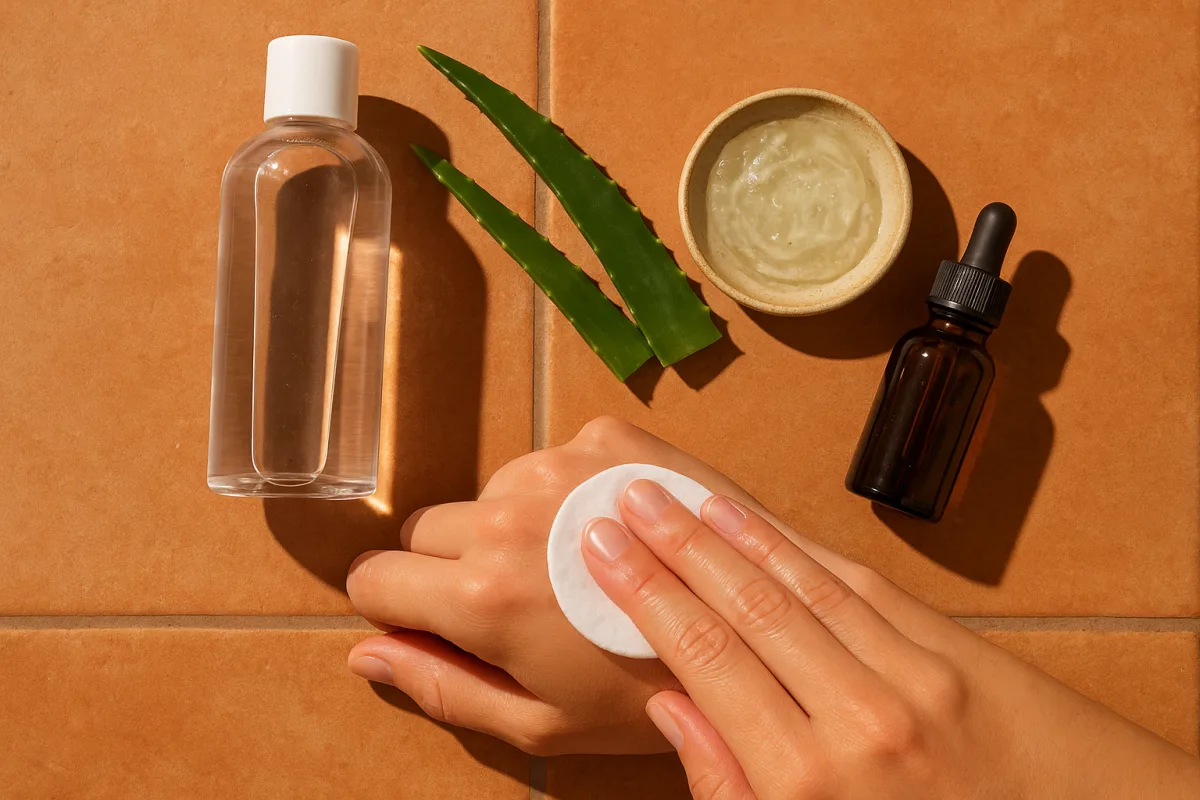
Apply toner to clean, dry skin. CVS recommends using a cotton pad and concentrating on the T-zone, where oil is often most apparent. Use enough to lightly cover the area, not enough to soak the face. [8]
A hydrating toner can generally be used once or twice daily if comfortable. Use an acid toner only two or three evenings a week at first, then reassess after several weeks rather than escalating because shine has not vanished overnight. [7][23][31]
Follow toner with a lightweight moisturizer. In the morning, finish with sunscreen, especially if you use glycolic acid or another exfoliating acid, since exfoliation can increase sensitivity to sunlight. [28]
Do not introduce an exfoliating toner alongside several other new actives. If your routine already contains exfoliating acids, scrubs, or strong retinoid products, adding another acid step can make it difficult to identify the cause of irritation.
Know when a toner is the wrong project
Patch test a new toner before using it over your whole face, then introduce it gradually. Individual tolerance varies, and the research brief found no strong long-term comparison showing that one toner active consistently outperforms every other option. [7][23]
Avoid fragranced, alcohol-heavy, or harsh exfoliating toners if you have eczema, rosacea, active dermatitis, or a visibly compromised barrier. Those concerns deserve a dermatologist’s advice rather than an attempt to solve them with a stronger toner. [26][27][29]
Persistent burning, rash-like patches, painful bumps, cracking, or sudden major changes in oiliness are not ordinary “purging” to push through. Stop the irritating product and consult a dermatologist, who can assess what is actually happening.
Frequently Asked Questions
What ingredients should I look for in a toner for oily skin?
Look for ingredients like salicylic acid (BHA), glycolic acid (AHA), niacinamide, witch hazel, zinc PCA, and tea tree oil. For hydration, humectants such as glycerin, hyaluronic acid, and aloe vera are beneficial. Avoid toners with high concentrations of drying alcohols like denatured alcohol or ethanol.
How often should I use a toner if I have oily skin?
Hydrating toners can be used once or twice daily after cleansing. Exfoliating toners containing acids like salicylic or glycolic acid should be introduced gradually, starting with two to three evenings per week rather than daily to avoid damaging the skin barrier.
Can toner help reduce shine on oily skin?
Toners can temporarily reduce surface shine by providing hydration or mild exfoliation, but they cannot permanently control sebum production or shrink pores. Using a hydrating toner can prevent dehydration that might otherwise increase oiliness.
Is alcohol-free toner better for oily skin?
Yes, alcohol-free toners are generally better for oily skin because high-alcohol formulas can strip surface oils, leading to dryness, irritation, and rebound oiliness. Alcohol-free options with gentle astringents like witch hazel and hydrating ingredients are preferred for comfort and balance.
How do I know if my oily skin needs a hydrating or exfoliating toner?
After cleansing, wait 20 to 30 minutes and assess your skin. If it feels shiny but comfortable, an exfoliating toner may be suitable. If your skin feels shiny and tight, prioritize a hydrating toner to avoid worsening dehydration and oiliness.
How we researched this
This article was assembled from 32 cited references.
Nothing here is based on hands-on testing. Where a figure or finding appears, it belongs to the source cited beside it, and the writing says so rather than implying otherwise. Every source is listed below so you can check it.
Sources
- 8 Best Toners for Oily Skin That Actually Control Shine | Bl | BlushPicks
- Dermatologist-Approved Toners for Oily Skin: Clear Pores & Control Excess Oil -
- Understanding Facial Toner Formulation: Key Ingredients for Different Skin Types - tonermanufacturer.com
- Best Toners for Oily Skin in 2026: 6 Options That Actually Control Shine | AesteticAdvice
- 5 Best Skin Toner For Oily Skin | Matte Without the Strip
- Do You Actually Need a Toner? The Case for pH-Balancing After Cleansing
- The Best Facial Toners for Oily Skin: Control Shine and Minimize Pores - Best Buy Supplier
- Best Toners For Oily Skin - CVS Pharmacy
- Farmacy Deep Sweep 2 BHA Pore Cleaning Toner 4oz for sale online | eBay
- Toner For Oily Skin | Sephora
- Aqua Bomb Hydrating Toner - 200 ml
- La Roche-Posay - Effaclar Micro-Exfoliating Astringent Toner for Oily Skin | Ulta Beauty
- La Roche-Posay Effaclar Micro-Exfoliating Astringent Toner
- NEOSTRATA Clarify Oily Skin Solution Toner with Glycolic Acid 100ml | Dermstore
- Origins Zero Oil Pore Purifying & Skin Care clarifying Treatment Toner - 5 oz - Walmart.com
- Origins Clear Improvement Pore Purifying Toner - Macy's
- Seasonal Skin Type Changes | Dermatology
- How do climate and humidity worsen oily skin?
- Does Your Skincare Routine Really Need to Change in Summer? | Skincare Tips Lab
- Why Your Skincare Should Change With the Seasons · Lie
- Best Non-Comedogenic Toner for Oily Skin: What Actually Works (And What to Avoid) - Skin Care | Miami Beauty Area
- Biggest Mistakes People with Oily Skin Make - Skinlab
- Korean Toners Explained: Types , Benefits , and How to Use | KoreanCare
- Toners Explained: Which Type Actually Benefits Your Skin | NicerSkin
- 7 Common Mistakes To Avoid If You Have Oily Skin
- Astringent: Benefits, Side Effects, Comparisons, and More
- Fact Check: Is Toner Necessary for Acne-Prone Skin? Most Dermatologists Say It's Optional - acneadvocate.com
- After Seriously Glowy Skin? Here's Your Expert Guide to Exfoliating Acids
- toner: Definition, Uses, and Clinical Overview – Best Cosmetic Hospitals
- How to choose toner for oily skin? | Watsons Philippines
- If Your Skin Gets Oily by Noon, These Are the Toners Dermatologists Recommend
- How to Use Face Toner for Oily Skin: A Step-by-Step Guide
Related Articles
How to Choose a Face Mask for Oily Skin
Learn how to choose a face mask for oily skin with tips on ingredients, usage, and avoiding irritation for a balanced, shine-free complexion.
How to Choose a Face Scrub for Sensitive Skin Safely
Learn how to choose a face scrub for sensitive skin with gentle ingredients, proper exfoliation frequency, and what to avoid to prevent irritation.
How to Choose a Face Serum for Your Skin Type and Needs
Learn how to choose a face serum based on your skin type, key ingredients, and usage tips for effective skincare results.
How to Choose a Toner for Dry Skin: Key Tips and Ingredients
Learn how to choose a toner for dry skin with expert tips on ingredients, usage, and what to avoid for better hydration and skin comfort.