
How to Choose a Body Lotion for Your Skin Type and Needs
Learn how to choose a body lotion by understanding ingredients, textures, and skin types for effective hydration and care.
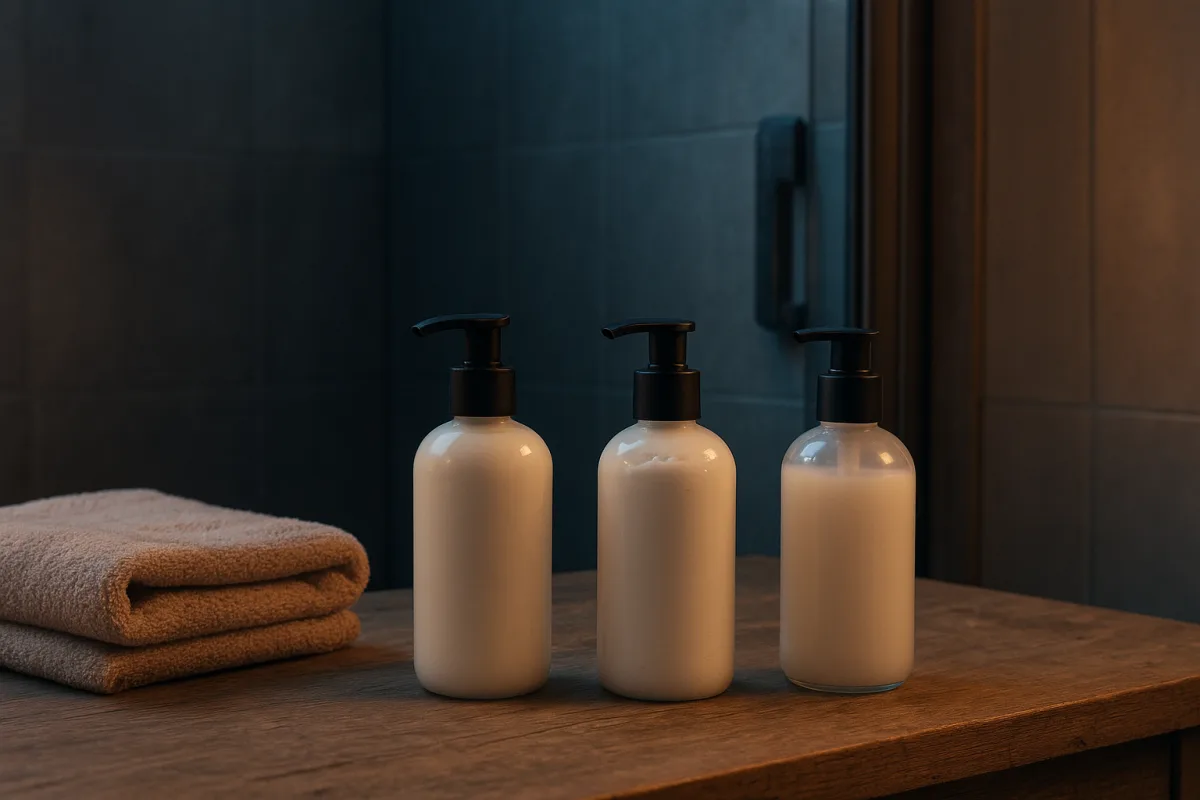
Look at the skin on your shins, elbows, and hands
Ashy shins, rough elbows, and tight-feeling hands point to a straightforward need: your skin needs water held in place and a smoother surface. A body lotion can do both, but the label has to contain ingredients that perform those jobs. [1][2]
Start with the part of your body that is driest, not the part that looks best on a product photo. If your legs feel fine but your hands crack after washing, a lightweight all-over lotion may suit your legs while your hands need a richer formula.
We would buy based on dry areas first. One bottle does not have to do every job, and forcing a light lotion to work on severely dry hands usually means applying it repeatedly without much comfort.
Match the texture to how dry your skin gets
Lotions are usually lighter and spread quickly over large areas. They suit normal, oily, or mildly dry body skin, especially when you dislike residue on clothes or need to get dressed soon after applying. [1][12]
Creams and ointments contain more lipids and tend to leave a more protective film. For very dry skin, or for skin affected by diagnosed eczema or psoriasis, eczema organizations and medical guidance favor creams and ointments over lotions because their greater occlusivity supports the skin barrier better. [3]
That does not mean every thick product is automatically better. A heavy ointment can feel unpleasant in humid weather, and an unused jar is less helpful than a lotion you apply consistently. Use thicker textures on the areas that need them.
If persistent scaling, painful cracks, widespread itching, or a new rash is part of the picture, see a dermatologist. A body lotion can support everyday skin comfort, but those symptoms need individual medical assessment.
Read the ingredient list for four jobs
Glycerin and hyaluronic acid are humectants. They attract and hold water, which is why they are common in formulas designed to relieve surface dryness and leave skin feeling more hydrated. [1][2]
Shea butter and natural oils are emollients. They soften rough-feeling skin and help improve the feel of its surface, though available information does not quantify which natural oil performs best over another. [1][2]
Petrolatum and dimethicone are occlusives. They form a barrier that slows water loss, making them particularly relevant when your skin feels dry soon after showering or washing. [2][3]
Ceramides and niacinamide are often included as barrier-supporting ingredients. If your skin is dry, easily irritated, or repeatedly exposed to soap and hot water, these are sensible ingredients to look for alongside a humectant and emollient. [2][4]
A short list can still work. You do not need every ingredient category in one formula, but we would skip a lotion that relies on perfume and botanical storytelling while offering no clear humectant, emollient, or occlusive support.
Do not rule out dimethicone on principle
Dimethicone is a silicone that helps seal in moisture. Despite common advice to avoid all silicones, BestReviews identifies it as an effective occlusive that does not clog pores. [3]
That makes dimethicone a reasonable option for body skin that needs moisture retention without the dense feel of petrolatum. It can be especially appealing in a daytime lotion, when you want something that spreads easily across arms and legs.
The same caution applies to broad claims about phenoxyethanol and parabens. Consumer Reports raises concerns about potential adverse effects, but both remain common in dermatological formulas and are generally considered safe at regulated concentrations. [6]
If you know a particular ingredient irritates you, avoid that ingredient. Otherwise, we would not reject an effective lotion solely because it contains dimethicone, phenoxyethanol, or a paraben. The entire formula and your own skin response matter.
Remove fragrance if your skin reacts easily
Fragrance can make applying body lotion feel pleasant, but it can also be an irritation risk for sensitive skin. If your skin stings after scented products or you are trying to simplify a reactive routine, choose a fragrance-free option. [4][6]
“Unscented” and “fragrance-free” are not interchangeable claims in everyday shopping, so check the ingredient list as well as the front label. A product marketed as unscented may still use fragrance ingredients to mask the smell of its base formula.
There is limited long-term comparative evidence showing that fragrance-free lotions hydrate better than fragranced versions. The case for fragrance-free is about reducing a possible irritation trigger, not a guarantee of better moisture results.
Change formulas when the weather changes
Cold, dry winter air calls for richer, more occlusive body care. A cream or a lotion containing petrolatum, dimethicone, shea butter, ceramides, or a combination of these ingredients can help reduce the tight, rough feeling common in dry conditions. [2][13]
Hot, humid weather often makes a heavy body cream feel sticky. In those months, a lighter lotion built around humectants and fast-spreading emollients may be easier to use consistently. [12]
Some summer body lotions include sunscreen. That can be convenient, but sunscreen needs to be used as directed for sun protection, and a moisturizing claim alone does not tell you how much protection a product provides. [12]
Your home environment matters too. Indoor heating, air conditioning, frequent showers, and regular handwashing can leave skin dry even when the season suggests a lightweight lotion. Let the condition of your skin overrule the calendar.
Choose a price band, then inspect the formula
Body lotion does not need to be expensive to contain established moisturizing ingredients. Beauty Hygiene groups dermatologist-recommended options into budget products below $10, mid-range choices from $10 to $25, and premium products above $25. [5]
The price generally covers the product itself, not proof that it will provide proportionately better hydration. The available pricing categories do not establish that premium lotions outperform affordable glycerin, petrolatum, ceramide, or dimethicone formulas.
We would start in the budget or mid-range category and read the label. Spend more only if a particular texture, scent-free formula, packaging format, or ingredient combination makes you apply it regularly.
A low price can become poor value if the bottle is too small for whole-body use or the formula feels unpleasant enough to abandon. A larger, basic bottle that you finish is often the better purchase.
Pick packaging you will keep clean and use daily
For routine body use, 200 to 500 mL pump bottles are common practical sizes. They are easier to use after bathing, when you may be applying lotion to arms, legs, and feet in one session. [19][20]
Pump bottles also reduce repeated contact with the remaining product. Airless pumps and squeeze bottles with flip-top closures are particularly favored for sensitive or premium formulations because they can reduce contamination during daily use. [19][20]
Jars can work, but they require dipping fingers into the product. If you use a jar for a dense cream or ointment, apply it with clean, dry hands and close it promptly.
Packaging does not make lotion hydrate better on its own. Its role is convenience and hygiene, and those can determine whether you use the formula often enough for it to be useful.
Apply it while your skin is towel-dried
After a shower, pat your skin until it is towel-dried, then apply lotion promptly. Woman & Home’s guidance emphasizes this timing because it helps lock in moisture left on the skin after bathing. [11]
Do not wait until your shins look gray or your elbows feel rough. Regular application is easier than trying to reverse several days of missed moisture with one thick layer.
Twice daily is a common schedule. Dry skin may need lotion three or four times daily, while oily skin may need it less often, especially outside the driest areas of the body. [8][9]
There is no firm evidence for one exact amount per body part. Use enough to cover the skin in a thin, even layer, then increase the amount on hands, feet, elbows, knees, and shins if they still feel dry. [10]
Avoid the mistakes that waste a good formula
Applying lotion to dirty skin can trap sweat, grime, or residue under the product. Put it on after washing, or on clean skin when you need a midday reapplication. [17]
Soaking-wet skin is not the target either. The available guidance supports towel-dried skin, but there is no direct evidence defining an exact wetness level or proving a precise timing advantage beyond that general approach. [11]
Body lotion also belongs on the body unless its label says otherwise. Facial skin can have different sensitivities and pore concerns, so Healthline advises using a product formulated for the face when that is where you need moisturizer. [18]
Finally, do not ignore how your skin feels after a week or two. If a lotion leaves ongoing stinging, itching, or worsening dryness, stop using it and speak with a dermatologist, especially if symptoms are persistent or widespread.
Frequently Asked Questions
How do I choose the right body lotion for my skin type?
Start by identifying the driest areas of your skin and select a product that addresses those needs. Lotions are suitable for normal to mildly dry skin, while creams or ointments are better for very dry skin or conditions like eczema. Look for products containing humectants, emollients, and occlusives to maintain hydration effectively.
What ingredients should I look for in a body lotion?
Effective body lotions typically include humectants like glycerin and hyaluronic acid to attract water, emollients such as shea butter and natural oils to soften skin, and occlusives like petrolatum or dimethicone to prevent moisture loss. Barrier-supporting ingredients like ceramides and niacinamide are also beneficial for dry or sensitive skin.
When is the best time to apply body lotion?
The optimal time to apply body lotion is immediately after bathing, on towel-dried skin. This helps lock in moisture before the skin fully dries. Reapplication can be done as needed depending on your skin’s dryness and environmental conditions.
Should I use lotion, cream, or ointment for very dry skin?
For very dry skin or skin affected by eczema or psoriasis, creams and ointments are preferred over lotions because they contain more lipids and provide a stronger barrier to lock in moisture. Lotions may be insufficient for severe dryness and require more frequent application.
Is fragrance-free body lotion better for sensitive skin?
Fragrance-free body lotions are often easier choices for sensitive skin and shared bathroom use. Packaging with pumps or flip-top lids also helps maintain hygiene and convenience for daily application.
How we researched this
This article was assembled from 22 cited references.
Nothing here is based on hands-on testing. Where a figure or finding appears, it belongs to the source cited beside it, and the writing says so rather than implying otherwise. Every source is listed below so you can check it.
Sources
- How to Choose the Right Body Lotion for Your Skin Type
- Body Lotion Ingredients Guide: Key Ingredients for Skincare Formulations | RuiqiGO
- 5 Best Body Lotions - Sept. 2026 - BestReviews
- The Best Body Lotions for Mature Skin, According to Dermatologists
- Best Body Lotions 2026: A Guide by Skin Type and Need | Beauty Hygiene
- Best Body Lotions Without Harmful Chemicals - Consumer Reports
- Skincare for Your Body Is the New Non-Negotiable-These Lotions Prove It
- How Often Should You Apply Lotion - ScienceInsights
- How Often Should You Apply Lotion For Your Skin?
- How Much Body Lotion You Should Use: Complete Guide for Healthy Skin
- When is the best time to moisturise your body? It turns out, I've been getting it wrong
- Body Care 101: How to Choose the Best Body Lotion for Your Skin Type
- Cold-resistant formulations: How winter care products remain stable at low temperatures - Velvety
- Dermatologist Recommended Body Lotion & Creams - 30 Products | Ulta Beauty
- Dermatologist Recommended Body Lotions in Dermatologist Recommended Moisturizers - Walmart.com
- Baby-Soft Skin for Under $30? These Drugstore Body Lotions Deliver | Allure
- Men's Body Lotion Mistakes, Best Body Lotion for Men
- Can You Use Body Lotion on Your Face? What to Know
- What Are the Different Types of Body Lotion Bottles? A Technical Selection Guide - Boyu Packaging
- The Complete Guide to Lotion Bottle Sizes and Dispenser Types - Uzone Packaging
- Skincare Packaging Wholesale: A Buyer's Guide to Bottles, Jars & Airless Systems | Vesspak Blog
- Body Lotion Application Tips | Dermatology
Related Articles
How to Choose a Night Serum: Ingredients and Tips
Learn how to choose a night serum based on your skin concerns and key ingredients like retinol, niacinamide, and hyaluronic acid.
How to Choose a Face Scrub for Sensitive Skin Safely
Learn how to choose a face scrub for sensitive skin with gentle ingredients, proper exfoliation frequency, and what to avoid to prevent irritation.
How to Choose a Toner for Oily Skin
Learn how to choose a toner for oily skin with tips on ingredients, pH, and usage to control shine and avoid irritation.
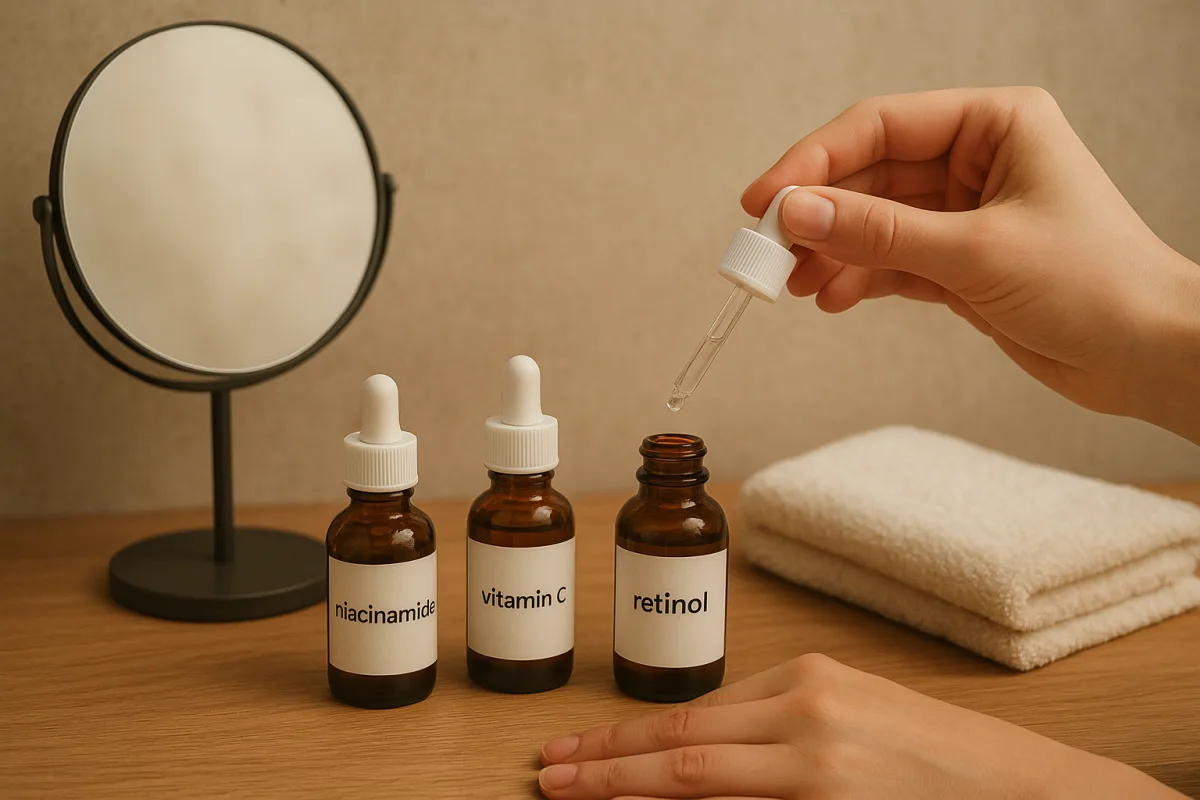
How to Choose a Face Serum for Your Skin Type and Needs
Learn how to choose a face serum based on your skin type, key ingredients, and usage tips for effective skincare results.