
Purpose of Exfoliation: Why and How It Benefits Your Skin
Learn the purpose of exfoliation, how it removes dead skin cells, and why it’s key for smoother, brighter skin without overdoing it.
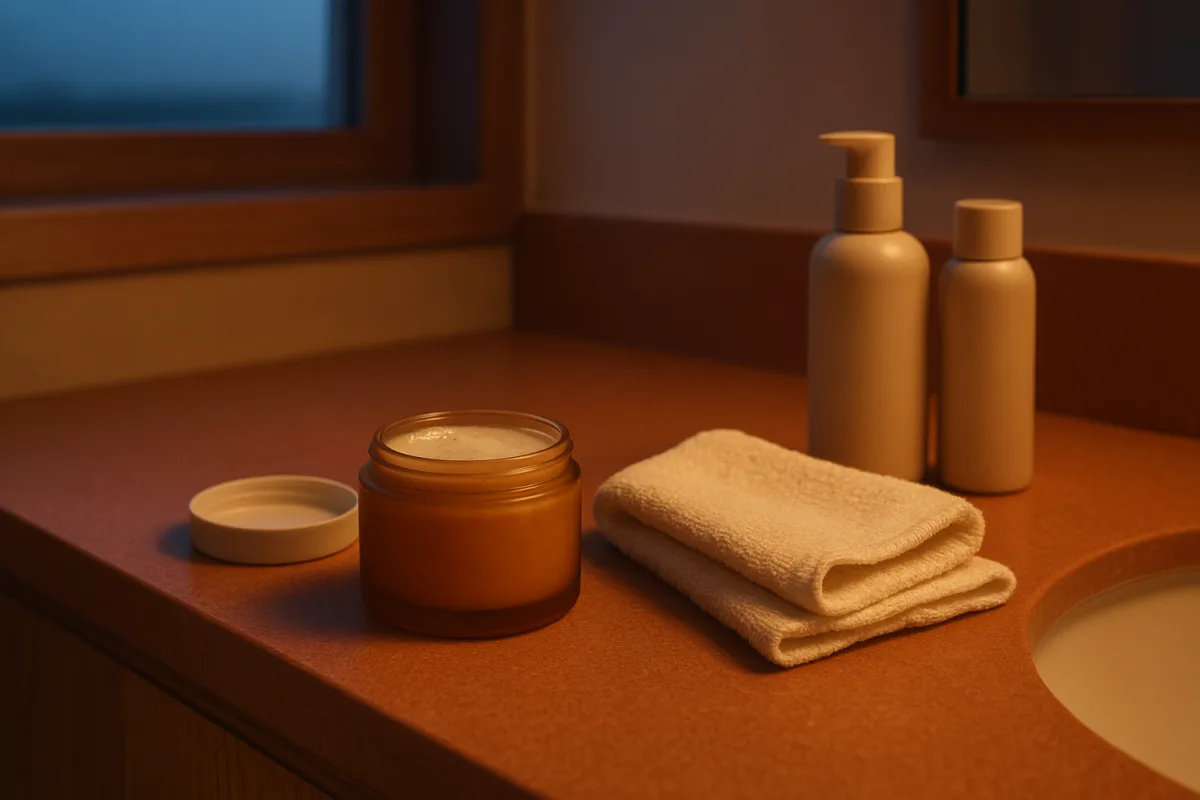
The rough patch is the point
A rough patch around the nose, flakes that gather beneath makeup, or skin that looks dull by afternoon often has the same immediate cause: dead surface cells are hanging around longer than you want.
Exfoliation is the step meant to remove some of those cells. It does not transform your skin overnight, shrink pores permanently, or solve every breakout, despite what an aggressively labeled toner may imply. [7]
Your skin naturally sheds cells. Exfoliation adds a controlled outside force, either friction or an acid, to loosen and lift away cells at the surface that have not shed cleanly on their own. [7][8]
The visible payoff is mostly cosmetic: smoother-feeling skin, less obvious flaking, and a brighter-looking surface. By reducing the pileup of cells at the surface, exfoliation can also help limit the material that contributes to clogged pores. [7]
That is the entire job. A product can be useful for that job, but the result is typically gradual and modest, and doing more than your skin can tolerate creates a different problem.
Exfoliation works on the surface, not every skin concern
Dead skin cells are normal. You need a functioning outer layer to hold moisture in and help keep irritants out, so exfoliation works best as a light adjustment, not as an attempt to keep skin constantly stripped.
The target is excess buildup at the surface. If your skin already feels comfortable, looks even enough to you, and does not have recurring flakes or congestion, exfoliation may be an optional step rather than a missing essential.
This is where skincare marketing gets slippery. “Glow” may mean light reflects more evenly from a smoother surface, while “clearer pores” usually means less visible surface buildup, not a permanent physical change in pore size. [7]
A pore is not a door you can force open with a scrub. What you can influence is the mix of dead cells and oil around its opening, and that is why exfoliation is commonly used in routines for congestion-prone skin. [7]
If you have painful, persistent, spreading, or scar-forming breakouts, that moves beyond routine texture management. See a dermatologist for individualized guidance rather than escalating acid strength or scrubbing harder at home.
The two ways to remove dead cells
Physical exfoliation uses particles or tools to create friction. Face scrubs, cleansing brushes, washcloths, loofahs, and textured pads all fall into this category because your hand movement and pressure do the work. [8]
Chemical exfoliation uses acids to loosen dead surface cells without grit. Alpha hydroxy acids, or AHAs, include glycolic and lactic acid, while beta hydroxy acid, or BHA, usually refers to salicylic acid. [7]
The method changes the cost to your skin. With a scrub, the outcome depends heavily on the particles, how much pressure you use, and how long you keep rubbing one area.
With an acid, the outcome depends on the acid type, concentration, formula, how often you apply it, and your own tolerance. It is still possible to overdo chemical exfoliation, but the application is generally easier to keep consistent. [8]
We would generally pick chemical exfoliation over abrasive scrubs, especially for facial skin. Marie Claire’s comparison of mechanical and chemical options describes chemical formulas as the gentler, more controlled route, while physical exfoliants need more caution. [8]
That does not make every acid product mild. A strong formula used too often can irritate skin just as decisively as a rough scrub used with too much pressure.
Acid type and concentration decide the intensity
AHAs, including glycolic and lactic acid, are commonly used for roughness, dullness, and visible flaking at the surface. They work as chemical exfoliants by helping loosen dead cells. [7]
Glycolic acid is often presented as the more intensive AHA option, while lactic acid is commonly positioned as a gentler choice. Your formula matters, though, because concentration, pH, and how often you use it all change the experience.
At-home glycolic and lactic acid products are commonly kept at 10 percent or below, while mandelic acid products are commonly found in the 5 to 10 percent range. Those numbers describe the acid content, not guaranteed effectiveness.
For salicylic acid, 0.5 to 2 percent is the typical at-home range. The FDA notes that beta hydroxy acids can increase sensitivity to the sun, particularly when used with products that exfoliate skin. [1]
Do not treat a higher percentage as an automatic upgrade. A product that you can use occasionally without irritation is likely to serve you better than a stronger formula that leaves your skin tight, flaky, and reactive.
We would skip stacking several exfoliating products in one routine. A salicylic acid cleanser, an acid toner, peel pads, and a grainy scrub can all aim at the same dead-cell buildup while multiplying your irritation risk.
Frequency is a tolerance question
There are no formal dermatological guidelines that prescribe one exfoliation schedule for every skin type. Advice such as once, twice, or three times weekly is expert guidance, not a precise medical rule.
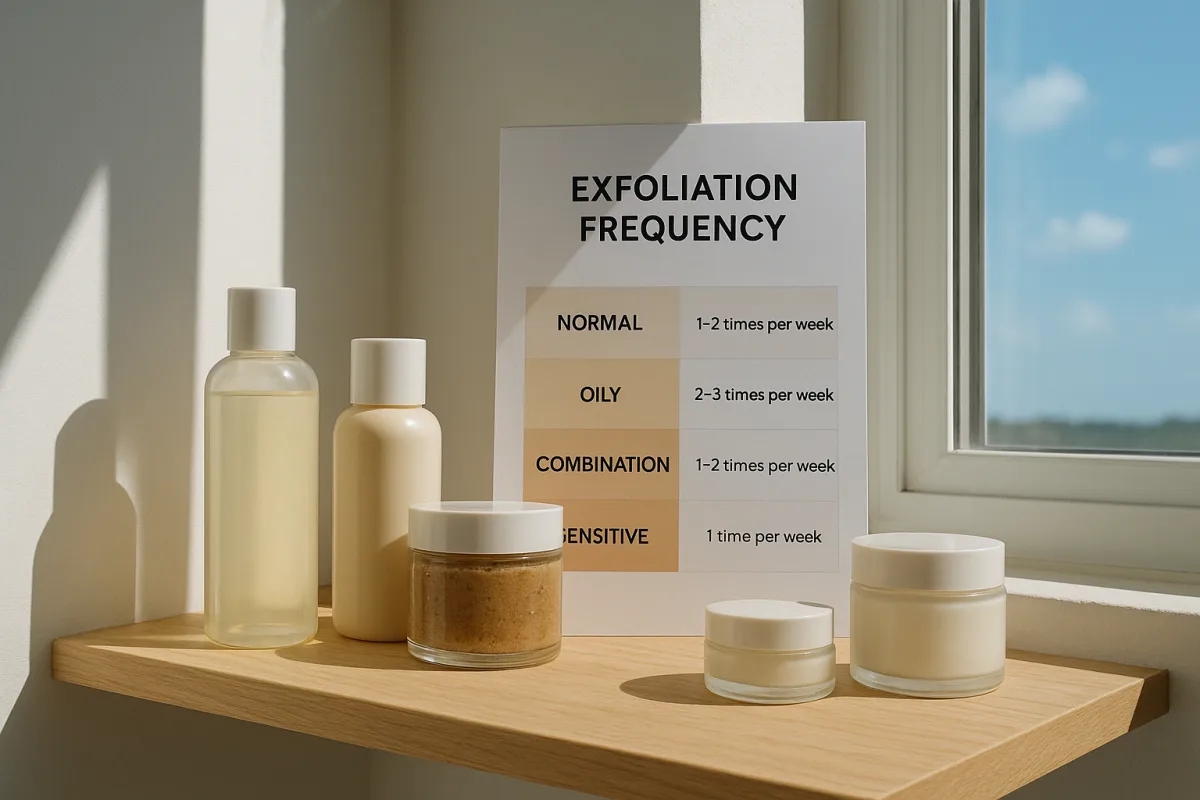
For normal skin, common advice is one to three exfoliation sessions a week. Oily skin is often advised to use exfoliation two to three times weekly, while dry or sensitive skin is commonly advised to stay around one to two sessions.
Those ranges are starting points, not targets to hit. If you are new to acids, begin once weekly or twice weekly at most, then wait long enough to see how your skin responds before adding another application. [2]
Your skin’s response decides the schedule. Comfortable skin with no accumulating dryness, persistent sting, or new redness may tolerate regular use, while a tight, glossy, irritated surface is telling you to back off.
More frequent exfoliation is not automatically better for oiliness. Oil can coexist with dehydration and irritation, and repeatedly stripping the surface can leave you managing sensitivity without delivering the smoother finish you wanted.
Season can affect tolerance, particularly when colder, drier conditions leave your skin feeling less comfortable. Advice to adjust exfoliation by season is based on general barrier concerns, though there is no standardized protocol for changing frequency by weather or geography. [3][9]
Where exfoliation fits in your routine
Apply exfoliant after cleansing. Cleansing removes makeup, sunscreen, oil, and daily grime first, so the exfoliating step goes onto a cleaner skin surface. [10]
For a leave-on chemical exfoliant, apply a thin, even layer as directed by the product. Cotton pads and washcloths are sometimes used, but neither needs vigorous rubbing to make an acid work. [2]
Afterward, use moisturizer. This is not a decorative final step, because exfoliation can leave skin feeling drier or more sensitive and moisturizer helps support a more comfortable barrier. [10]
During the day, finish with broad-spectrum sunscreen rated SPF 30 or higher. Chemical exfoliation can increase sun sensitivity, and sunscreen is part of the cost of using an exfoliating acid regularly. [1][2]
If you use a physical exfoliant, keep the pressure light and the motions gentle and brief. Scrubbing until skin feels squeaky or looks pink is not a sign of a thorough job, it is a warning. [8]
We would not use a physical scrub on already sensitive, peeling, or irritated facial skin. The friction is difficult to standardize, and the possible smoother feeling is not worth turning manageable dryness into a more reactive routine. [8]
Over-exfoliation defeats the purpose
Over-exfoliation happens when the removal step outpaces your skin’s tolerance. Instead of smoother-looking skin, you may see redness, dryness, flaking, tightness, increased sensitivity, irritation, or breakouts. [6]
These signs can be confusing because some people respond by exfoliating more. Flakes can look like buildup, but if they come with stinging, tightness, or red patches, another acid session is a poor bet.
Actives & Acids links over-exfoliation with a compromised skin barrier and greater susceptibility to irritation. That is the core tradeoff: the same step used to refine surface texture can make skin less comfortable when overused. [6]
Stop exfoliating when those signs appear. Put aside other irritating products too, simplify your routine, and use a gentle, fragrance-free moisturizer while your skin settles. [6]
Products with occlusive or emollient textures, including Aquaphor or aloe-based options, are commonly suggested for supporting dry, irritated-feeling skin after over-exfoliation. Reintroduce exfoliation gradually only after the irritation has settled. [6]
If the redness, discomfort, rash-like changes, or breakouts persist, get medical advice. A dermatologist can help distinguish routine irritation from a skin issue that needs a different approach.
What we would do first
Start with one chemical exfoliant, used once a week after cleansing, followed by moisturizer. Keep the rest of the routine boring for a few weeks so you can tell whether that one product agrees with your skin.
For roughness or dullness, an AHA such as glycolic or lactic acid is the usual category to consider. For visible congestion, salicylic acid is the BHA category commonly used in exfoliating products. [7]
Skip a facial scrub if your skin is sensitive, currently flaky, or already using multiple active products. The controlled, lower-frequency chemical approach gives you fewer moving parts and fewer opportunities to irritate your skin. [8]
The purpose of exfoliation is modest: remove excess dead cells without destabilizing the skin underneath. If you can do that and keep your skin comfortable, the step is earning its place in your routine.
Frequently Asked Questions
What is the purpose of exfoliation in skincare?
Exfoliation removes built-up dead skin cells from the surface of the skin. This helps smooth the skin’s texture and brighten its appearance by clearing away cells that have not shed naturally. It also helps reduce the material that can contribute to clogged pores.
How does exfoliation benefit the skin?
Exfoliation makes the skin feel smoother and look brighter by removing excess dead cells. It can reduce visible flaking and improve the evenness of the skin’s surface. Additionally, by limiting surface buildup, exfoliation may help reduce the likelihood of clogged pores.
What are the differences between chemical and physical exfoliation?
Physical exfoliation uses friction from particles or tools like scrubs, brushes, or textured pads to manually remove dead skin cells. Chemical exfoliation uses acids, such as alpha hydroxy acids (AHAs) or beta hydroxy acid (BHA), to loosen dead cells without grit. Chemical exfoliants are generally gentler and easier to control, while physical exfoliants require more caution to avoid irritation.
How often should I exfoliate for best results?
It is recommended to start exfoliating once or twice a week and adjust based on your skin’s response. If you experience persistent tightness, redness, flaking, or stinging, reduce frequency or stop. Over-exfoliation can cause irritation, so it’s important to listen to your skin.
Can exfoliation reduce clogged pores?
Yes, exfoliation can help limit the buildup of dead skin cells and oil around pore openings, which contributes to clogged pores. However, exfoliation works on surface buildup and does not permanently change pore size. It is a useful step for managing congestion-prone skin but not a cure for more severe acne conditions.
How we researched this
This article was assembled from 10 cited references.
Nothing here is based on hands-on testing. Where a figure or finding appears, it belongs to the source cited beside it, and the writing says so rather than implying otherwise. Every source is listed below so you can check it.
Sources
- Beta Hydroxy Acids | FDA
- Chemical Exfoliation for Beginners | Dermatology
- How to Transition Your Skincare Routine Between Seasons - HOIA homespa
- How Seasonal Changes Affect Your Acne (And When to Switch Products) | Teen Acne Solutions
- Over-Exfoliated Skin: Signs, Causes & How to Repair Your Skin Barrier, Ellitee Skincare
- Signs of Over-Exfoliation and How to Repair Your Skin | Actives & Acids
- Exfoliation: Why It's Important & How To Do It Properly | Cetaphil US
- Confused by Exfoliants? Here's the Difference Between Chemical and Mechanical Options
- Seasonal Skincare: Adjusting Your Routine Throughout the Year | Skincare Insights
- The Correct Order for Skin Care Products
Related Articles
How Often Should You Exfoliate? Expert Frequency Guide
Learn how often you should exfoliate based on skin type, exfoliant type, and signs of over-exfoliation to build a safe skincare routine.
Best Time to Exfoliate Skin: Morning or Night Explained
Discover the best time to exfoliate skin, why night is preferred, and how to protect your skin after exfoliation with sunscreen.
How to Choose a Gentle Exfoliant for Sensitive Skin
Learn how to choose a gentle exfoliant with safe acids, enzymes, and scrubs suitable for sensitive skin and avoid irritation.
Benefits of Hyaluronic Acid: Hydration and Skin Improvement
Discover the benefits of hyaluronic acid for skin hydration, molecular weight effects, and how to use it for smoother, plumper skin.