
Transition Skincare for Fall: How to Adjust Your Routine
Learn how to transition skincare for fall with tips on moisturizing, exfoliating, and protecting skin as the weather cools.
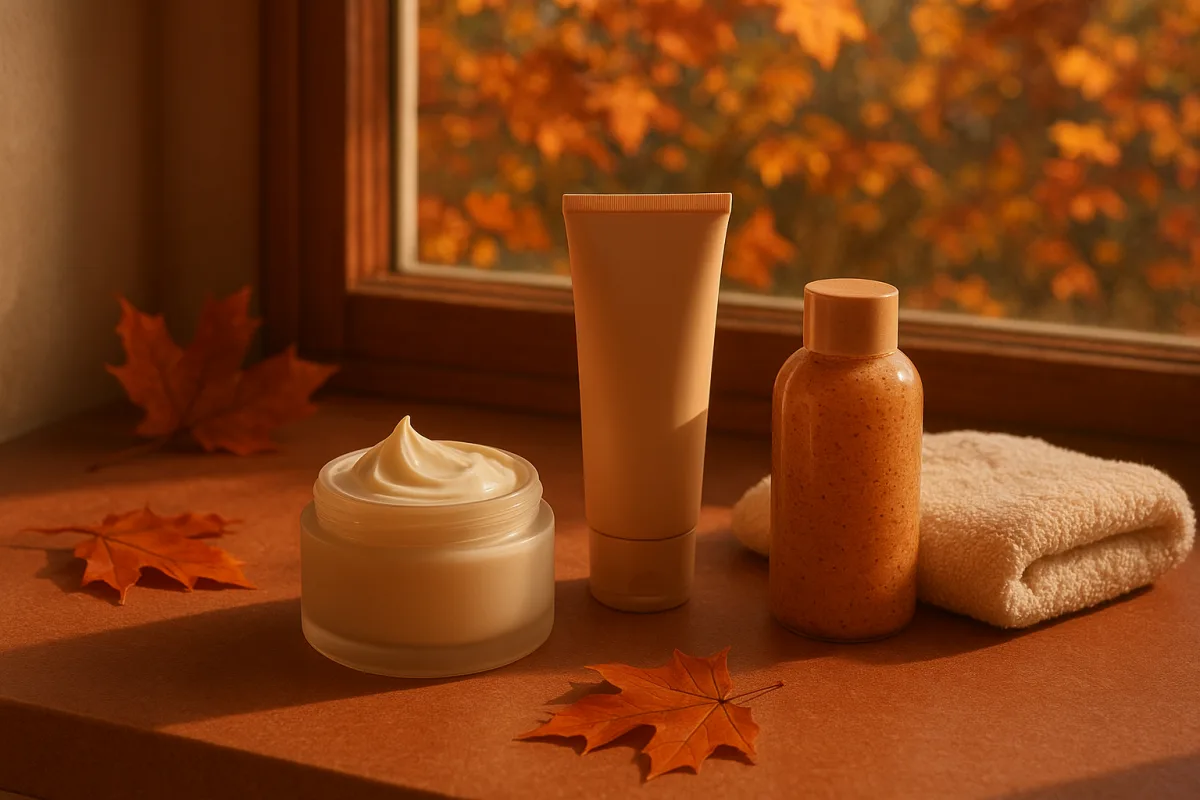
Fall Skincare: How to Change Your Routine When the Weather Turns
First comes the tight, post-cleanse feeling
The first fall problem is usually not dramatic. Skin starts feeling tight after washing, makeup catches around the nose, and a product that was fine in August suddenly stings. Lower humidity, cooler wind and indoor heating can all contribute to dryness and dehydration. [1][2][3]
Dryness and dehydration are not interchangeable. Dry skin lacks oil, while dehydrated skin lacks water. In practice, fall skin can be both, which is why replacing every product with a heavier oil is not necessarily the useful first move.
Start with the cleanser. If a foaming wash leaves your face squeaky, tight or uncomfortable, use a gentle cleanser in the evening rather than adding more exfoliating steps afterward. Beauty World News specifically recommends a gentle evening cleanse as part of a fall routine. [19]
Then apply a hydrating serum to damp, not dripping, skin. Look for glycerin and hyaluronic acid, ideally listed well before the final preservatives and fragrance. SkinMapped places effective hyaluronic acid use in the 0.1 to 2 percent range. [7]
Hyaluronic acid is a humectant, meaning it helps hold water in the outermost layer of skin. It can make skin look temporarily smoother and more cushioned, but it does not rebuild a compromised barrier on its own. Put a moisturizer over it.
Apply products from thinnest to thickest: watery serum first, cream next, then an optional oil if you like one. That order is practical rather than ceremonial, since it lets the water-based hydrator go on before the more occlusive layer. [22]
Then your summer moisturizer stops being enough
When your face feels dry again by lunchtime, this is the point to change moisturizer texture. Fall calls for a cream or, for very dry areas, an ointment-like formula, rather than endlessly layering a lightweight gel moisturizer. [11][12]
Read the ingredient list for glycerin, hyaluronic acid, petrolatum, dimethicone, ceramides, fatty acids or squalane. Humectants such as glycerin and hyaluronic acid draw water toward the skin surface, while petrolatum and dimethicone reduce water loss. Ceramides, fatty acids and squalane support the lipid-rich barrier layer. [8][9][11]
Two budget examples appear in 2026 shopping guides. Several.com lists Prequel Barrier Therapy cream at $18 for a 10-ounce tub, making it best suited to someone who wants a large-format barrier cream for face or body. [11]
WhatNotSell lists CeraVe Moisturizing Cream at $14 to $18, depending on retailer and size, and positions it as an affordable richer cream. It suits a straightforward fall moisturizer step when you want glycerin and barrier-focused ingredients rather than a long list of treatment claims. [12]
Those are guide prices, not universal retail prices, and neither source establishes that one cream will suit every skin type. A heavier cream can be useful on dry cheeks while feeling excessive on an oily forehead. Apply by area if that better matches your skin.
Facial oil is optional, not an essential fall purchase. GlowAI suggests it after moisturizer for added hydration, but oil mainly provides an emollient and occlusive layer. It does not replace the water-binding ingredients or moisturizer underneath. [21]
Give this basic hydration change up to two weeks before deciding it has failed. Immediate softness is a cosmetic surface effect. More consistent reduction in that tight, dehydrated feeling takes repeated use, and the available timelines do not show that skin type or climate zone creates a predictable adjustment schedule. [18]
Next, resist scrubbing off the flakes
Fall dullness often appears after summer because uneven texture and visible discoloration can linger following sun exposure. [4] The tempting response is a scrub, peel pads every night, and a stronger cleanser. That is also an efficient route to more irritation.
A weakened barrier is more sensitive to friction and potent acids. Woman and Home reports that cooler temperatures, wind and heating can impair barrier function, while Round Lab identifies over-exfoliation as a fall mistake that can worsen barrier damage. [3][16]
If your skin is dry or sensitive, limit exfoliation to one or two times weekly. Normal or combination skin can use it two or three times weekly, and oily or acne-prone skin can go up to three, provided it is not becoming irritated. [13]
Choose the exfoliant based on the problem, not the season. Lactic acid at 5 to 8 percent is a gentler alpha hydroxy acid option for surface roughness and dullness. Salicylic acid at 0.5 to 2 percent is the better-known beta hydroxy acid for oilier, congestion-prone areas. [7][10]
A 5 to 10 percent glycolic acid product is another chemical exfoliation range cited in fall guidance, but stronger is not automatically better. Lactic and mandelic acids are often suggested at no more than twice weekly, particularly while the weather is drying out. [14]
Skip rough physical scrubs if your skin is already sensitive or flaky. Flora Organics recommends using physical exfoliants sparingly, at most once weekly, especially for sensitive skin. Flakes caused by irritation are not evidence that skin needs more abrasion. [13]
Expect a modest, gradual improvement in smoothness and brightness over about two to four weeks, not an overnight correction. If your face burns when you apply plain moisturizer, pause acids and retinol. Persistent symptoms need medical assessment, not a stronger at-home peel. [18]
After that, add treatment actives carefully
Once cleansing and moisturizing feel comfortable, you can decide whether you actually need a treatment active. Fall is not a requirement to start retinol, vitamin C or niacinamide. It is simply a period when people notice leftover summer unevenness and texture. [4]
For a vitamin C serum, the cited effective range is 10 to 20 percent. Vitamin C is used cosmetically to support a brighter, more even-looking complexion, but it does not erase sun damage or replace sunscreen. Expect eight to 12 weeks for changes in visible brightness or dark spots. [8][18]
Retinol is slower still. The cited beginner range is 0.2 to 0.3 percent, while experienced users may use formulas up to 1 percent. It can improve the appearance of texture and fine lines over time, but the realistic timeline is roughly three to six months. [10][18]
Start retinol on alternate nights, and do not use it on the same evenings as an acid exfoliant. GlowAI recommends alternating gentle AHAs or BHAs with retinol to reduce the chance of irritation. [21]
Niacinamide is another option if oiliness or the appearance of pores is your concern, though the brief does not provide a concentration recommendation. Available timelines put visible oil and pore-related changes at roughly four to eight weeks. [18]
One source mentions increased fall oil production, but that observation is not widely corroborated. Most available fall guidance emphasizes dryness, dehydration and sensitivity instead. Do not assume that a shiny forehead means you should strip your entire face with acids. [5][1][3]
Introduce one active, use it consistently, and wait. Adding vitamin C, retinol, exfoliating acids and a new moisturizer in the same week makes it difficult to identify what helped or what caused irritation. Skincare Tips Lab specifically flags simultaneous active introductions as a common transition mistake. [17]
Keep sunscreen in the morning routine
The weather change does not justify putting sunscreen away. Marie Claire identifies skipping sunscreen as a cold-weather skincare mistake, and the available guidance consistently supports daily broad-spectrum protection rather than seasonal use. [23]
Use broad-spectrum SPF 30 or higher each morning. Who What Wear recommends SPF 50 for mature skin, though “mature” is a marketing category, not a diagnosis and not a reason to assume one sunscreen suits everyone. [8]
Sunscreen is particularly relevant if you are using retinol or exfoliating acids, because you are trying to improve the appearance of uneven tone while preventing additional UV-driven darkening. It is a protective cosmetic habit, not a treatment for pigmentation disorders.
Apply it as the final skincare layer in the morning, after moisturizer. If a richer fall cream makes your usual sunscreen pill, let the moisturizer settle briefly or use less cream under it. Changing application order is preferable to quietly dropping SPF.
A realistic fall night routine
A practical night routine does not need seven products. Begin with a gentle cleanser, then use a hyaluronic acid serum on damp skin, followed by a richer moisturizer. This sequence aligns with the fall routine steps recommended by Beauty World News, Dermathub and Deniz Selin. [19][5][20]
On one or two nights weekly, replace retinol with an appropriate acid exfoliant if your skin tolerates it. On alternate nights, use retinol if you have chosen to introduce it. On the remaining nights, do nothing more ambitious than hydrate and moisturize. [21]
A humidifier may make a heated room more comfortable, but it is not a substitute for a moisturizer or a reason to tolerate an irritating routine. Skincare Tips Lab specifically cautions against relying on humidifiers alone. [17]
Reassess after six to eight weeks, unless irritation appears sooner. If hydration has not improved, simplify rather than escalating every active. If you have ongoing pain, marked inflammation, cracking, sudden breakouts or skin changes that concern you, a dermatologist can assess causes that cosmetic advice cannot diagnose. [18]
Frequently Asked Questions
How do I transition my skincare routine for fall?
Start by switching from a light summer lotion to a cream with humectants like glycerin and hyaluronic acid, and barrier-supporting ingredients such as ceramides and fatty acids when your skin feels tight, flaky, or irritated. Use a gentle cleanser in the evening if foaming washes leave your skin feeling tight. Apply hydrating serums to damp skin before moisturizing, and introduce new actives one at a time with realistic trial periods.
What changes should I make to my skincare as the weather cools?
As humidity drops and indoor heating increases, your skin may become dry and dehydrated. Replace lightweight moisturizers with richer creams or ointments that contain ingredients like glycerin, petrolatum, dimethicone, and ceramides to support the skin barrier and reduce water loss. Continue daily use of broad-spectrum SPF 30 or higher, since UV exposure remains a risk in cooler weather.
When should I switch to a heavier moisturizer in fall?
Switch to a heavier cream or ointment when your face feels dry again by midday or when your summer moisturizer no longer keeps your skin comfortable. This change is based on how your skin feels rather than the calendar date. Look for moisturizers with humectants and barrier-repair ingredients to better protect against dryness and irritation.
How often should I exfoliate during fall?
Reduce exfoliation initially; dry or sensitive skin generally benefits from one to two exfoliation sessions per week, while oily or acne-prone skin can exfoliate up to three times weekly. Avoid increasing exfoliation if you experience stinging, redness, or irritation, and consult a dermatologist if problems persist.
What ingredients help skin during the fall transition?
Key ingredients include humectants like glycerin and hyaluronic acid to draw moisture into the skin, and barrier-supporting lipids such as ceramides, fatty acids, and squalane to strengthen the skin’s protective layer. Petrolatum and dimethicone help reduce water loss. For actives, vitamin C and retinol can be introduced gradually to address dullness and uneven texture.
How we researched this
This article was assembled from 23 cited references.
Nothing here is based on hands-on testing. Where a figure or finding appears, it belongs to the source cited beside it, and the writing says so rather than implying otherwise. Every source is listed below so you can check it.
Sources
- Summer to Fall Skin Care Routine Switch-up | Ulta Beauty
- How to Transition Your Skincare Routine From Summer to Fall – Image Skincare
- Why does cold weather make our skin look worse? Doctors explain 'winter face' and how to resolve it
- How to Switch Your Skincare Routine From Summer to Fall - Fashion IMP
- Fall Skincare Preparation | Dermatology
- Summer to Fall Skincare Routine: What to Change and Why
- Ingredient Guide | SkinMapped
- How to Carry Out the Ultimate Skincare Routine, According to a Dermatologist
- The Fall Skin Formula: An Easy Switch From Summer to Glow - NuvoVogue | Fashion, Beauty & Lifestyle Trends
- healthy and effective skincare ingredient thresholds – DERMI
- Fall 2026 Skincare Guide: What’s Actually Worth Buying? | Several.com
- Best Skincare Under $20 (2026): 8 Top Picks | WhatNotSell
- How Often Should You Exfoliate Your Body? An Autumn Skincare Guide – Flora Organics
- Peel Season 101: How to Safely Exfoliate at Home This Fall
- Skincare Mistakes to Avoid This Fall | CLn Skin Care
- Fall Skincare Mistakes That Make Your Skin Worse – Round Lab
- How to Really Transition Your Skincare Routine for Fall | Skincare Tips Lab
- How Long Before You See Skincare Results? Realistic Timelines | Layered Skincare
- Want Healthier-Looking Skin This Fall? Make Sure Your Routine Includes These 4 Steps
- Your Fall Skincare Reset: 5 Things to Do Now - Deniz Selin
- Fall Skincare Routine 2026: Repair Summer Damage & Prep for Winter | GlowAI
- What Order to Apply Skincare Products | Vegalab
- How to Transition Your Skincare from Summer to Autumn-According to the Experts
Related Articles
Transition Skincare for Winter: How to Adjust Your Routine
Learn how to transition skincare for winter with expert tips on adjusting routines, choosing ingredients, and protecting your skin in cold weather.
Transition Skincare for Summer: How to Adjust Your Routine
Learn how to transition skincare for summer with tips on moisturizers, sunscreen, cleansing, and exfoliation for healthy skin all season.
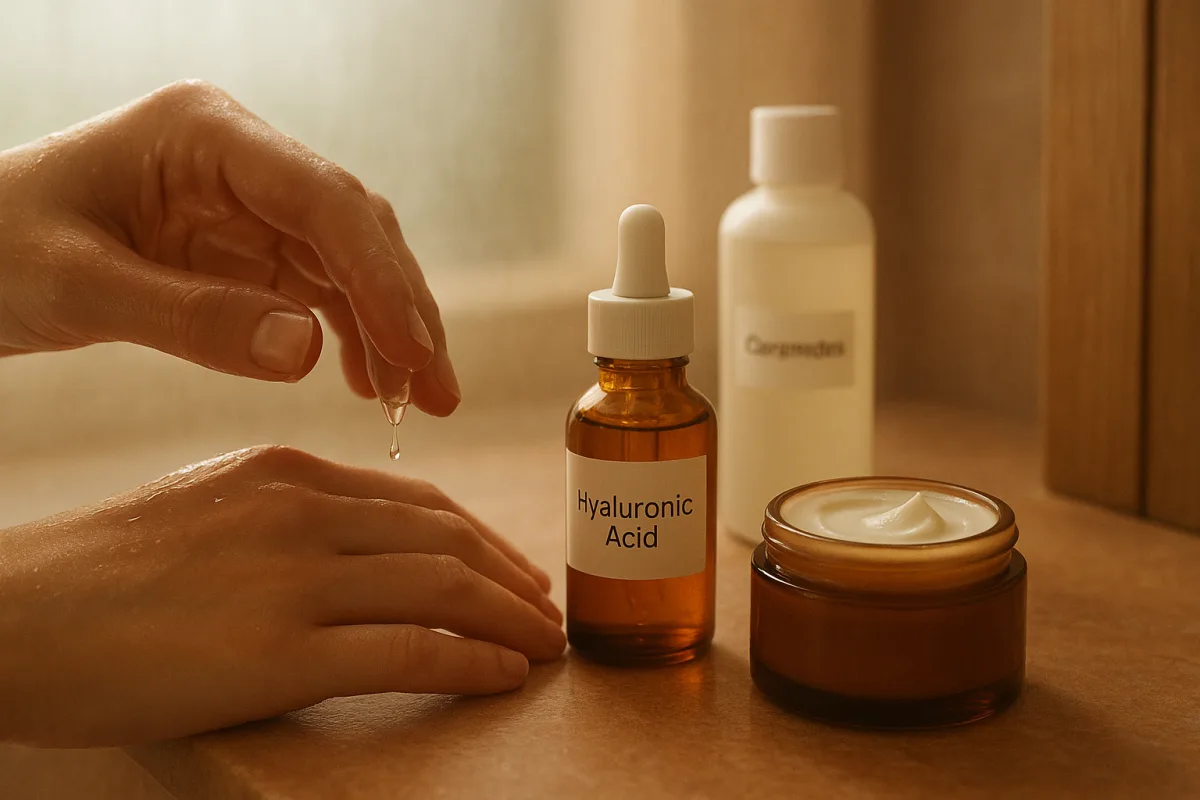
Best Ingredients for Skin Hydration
Discover the best ingredients for skin hydration, how to use humectants and moisturizers for effective water retention and skin barrier support.
How to Choose a Skincare Routine for Aging Skin
Learn how to choose a skincare routine for aging skin with tips on sunscreen, retinoids, and avoiding irritation for effective anti-aging care.