
Transition Skincare for Summer: How to Adjust Your Routine
Learn how to transition skincare for summer with tips on moisturizers, sunscreen, cleansing, and exfoliation for healthy skin all season.
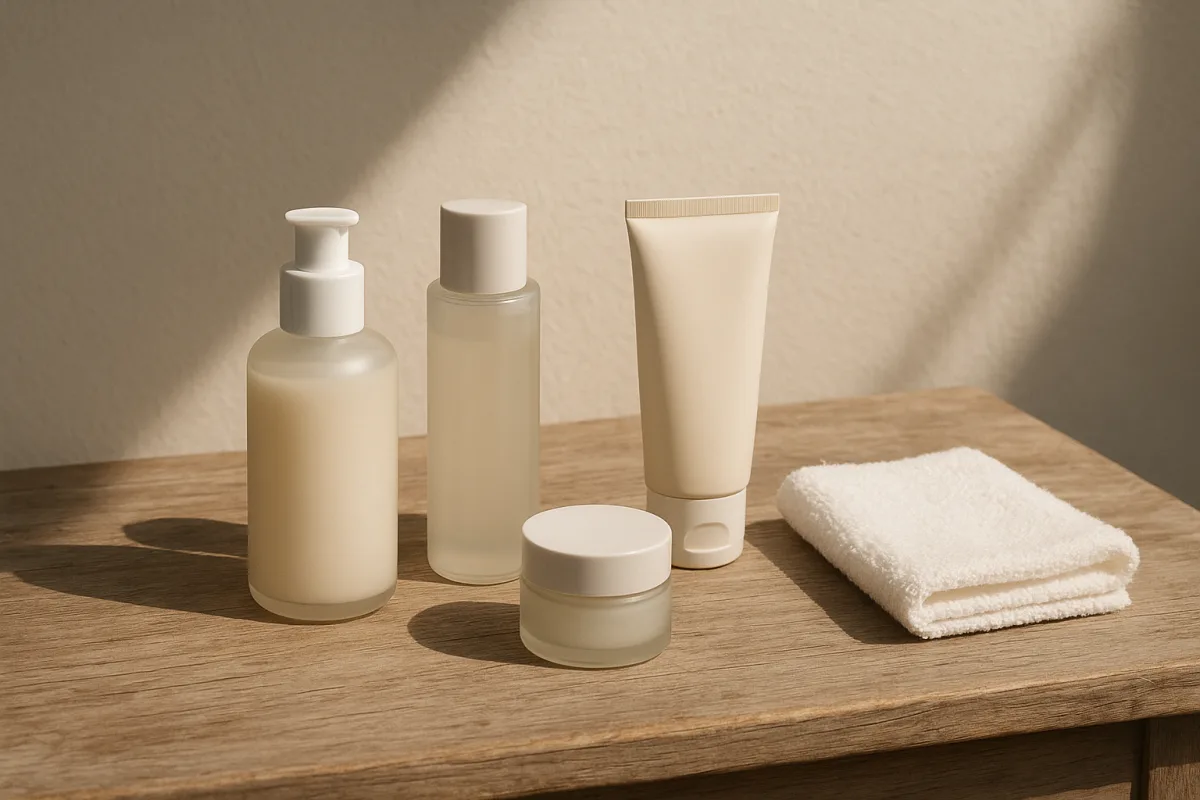
First problem: your old moisturizer suddenly feels like too much
The first sign that a winter routine no longer fits is usually practical, not dramatic. Your cream may sit on the skin, make sunscreen pill, or leave a shiny film by mid-morning. That is a texture problem, not proof that skin needs no moisture.
Humidity, sweat and increased surface oil can make rich balms and dense creams feel unpleasant. The useful swap is a lighter gel, lotion, or water-based moisturizer rather than abandoning moisturizer altogether. Dermatology guidance warns that skipping it can leave skin dehydrated and contribute to a compromised barrier. [6]
Look for a lightweight formula with humectants such as hyaluronic acid, plus barrier-supporting ingredients such as ceramides or niacinamide. Nykaa's Beauty Book specifically recommends those ingredients in lighter summer textures, applied twice daily: before sunscreen in the morning and after serums at night. [4]
That does not mean every routine needs a gel moisturizer. If a familiar cream absorbs comfortably, does not make sunscreen difficult to apply, and does not seem to leave pores congested, there is no evidence-based reason to replace it on a particular calendar date.
The research brief found no direct evidence for an ideal spring-to-summer changeover schedule. Transition when the routine stops being comfortable or workable, not because a retailer has declared the first day of summer.
Then sunscreen becomes the product that has to work with everything else
Summer is when sunscreen stops being an occasional final step and becomes the part of the routine most likely to determine whether the rest is tolerable. Use a broad-spectrum SPF 30 or above every morning, including on days when the routine is otherwise minimal. [12]
Application quantity matters more than endlessly escalating the SPF number. Dermatology guidance cited in the brief recommends roughly a teaspoon for the face and neck, and about one ounce for the body. Reapply every two hours while outdoors, and after swimming or sweating. [12]
The supplied research also notes that SPF 30 filters approximately 97 percent of UVB rays, while SPF 50 filters approximately 98 percent. That is a modest numerical difference, not permission to apply either one thinly or only once. The brief does not provide comparative evidence showing that chemical or mineral formulas are categorically better for a summer transition.
Choose the format you will apply generously and reapply. A lightweight moisturizer underneath can make that easier, but sunscreen should remain the last morning skincare layer. Cleveland Clinic's application-order guidance places products from thinner to thicker textures, finishing with sunscreen. [13]
If sunscreen pills, simplify rather than adding another primer-like layer. Cleanse, use one serum only if wanted, apply a small amount of moisturizer, wait briefly, then apply sunscreen. Good Housekeeping's dermatologist-led order guidance recommends allowing products a little time to absorb between layers. [10]
A sunscreen that feels greasy may tempt you to cleanse repeatedly during the day. Resist that fix. The summer guidance in Dermathub advises against cleansing more than twice daily because over-cleansing can impair the barrier and may worsen the oiliness people are trying to remove. [6]
By afternoon, sweat and oil make cleansing more tempting
When the weather is hot, the instinct is to wash every time skin feels slick. A better default is one gentle cleanse in the morning and a more thorough cleanse in the evening, especially if you have worn water-resistant sunscreen or have been sweating. [3][6]
Skinleaf recommends double cleansing in the evening: first an oil-based cleanser, then a gentle gel or foaming cleanser. The purpose is removal of sunscreen, sweat, and daily grime, not an attempt to strip every trace of oil from the skin. [3]
A double cleanse is not automatically necessary after an indoor day with little sunscreen wear. The research does not establish one universal method for every person. It is a practical option when a single gentle cleanse leaves a persistent sunscreen film, not another compulsory step to collect.
Avoid turning cleansing into exfoliation. Rough cloths, facial brushes, scrubs, and multiple strong cleansers can stack irritation on top of heat and sun exposure. If skin feels tight, stings when plain water hits it, or becomes persistently red, stop adding actives and consult a dermatologist rather than trying to diagnose the cause from a routine.
Next, clogged pores can make you reach for too much exfoliation
More oil and sweat can make skin look dull or leave it feeling congested. Chemical exfoliants can be a reasonable adjustment, but summer is not the moment to start using a strong acid every night because a few pores look blocked.
The practical concentration ceiling in the supplied guidance is AHAs up to 10 percent and BHAs up to 2 percent. Use them in the evening, begin once or twice weekly, and judge tolerance before increasing frequency. [5]
AHAs, including glycolic and lactic acid, work primarily at the skin surface to loosen dead-cell buildup. BHAs, particularly salicylic acid, are oil-soluble and are often chosen when excess oil and blocked-looking pores are the concern. Neither delivers a dramatic overnight reset.
The evidence in the brief is not settled on ideal summer frequency. Some recommendations allow AHAs at 10 percent or below daily or every other day, while others advise starting much less often because acids can increase photosensitivity and irritation. [5]
For that reason, conservative use is the less risky place to begin. Use one acid product at night, avoid pairing it with another strong exfoliant that evening, and keep sunscreen use consistent the next day. If burning, persistent peeling, or marked redness occurs, stop and seek professional advice.
Do not use daytime acid application as a shortcut to brighter-looking skin before an event. The cosmetic payoff from exfoliation is gradual and usually modest: smoother surface texture and less visible buildup over repeated use. It is not a substitute for sunscreen, nor a treatment plan for a skin condition.
Morning antioxidants are optional support, not a replacement for sunscreen
Vitamin C and other antioxidant serums are commonly kept in a morning summer routine. Skinleaf and ScanSkinAI recommend antioxidant serums in the morning to help address environmental oxidative stress, before moisturizer and sunscreen. [3][7]
What an antioxidant does in a routine is supportive. It does not replace UV filters, and the supplied material does not establish an ideal concentration, formula, or frequency for every climate. If you use one already and it remains comfortable, summer does not require stopping it.
If you are buying one solely for summer, manage expectations. The research brief identifies uncertainty about how necessary antioxidant use is in milder UV regions, where a reduced frequency or lower concentration may be sufficient. [7]
Keep the morning order uncomplicated: cleanse, optional antioxidant serum, moisturizer, sunscreen. Give each layer a minute or two to settle if pilling is an issue. This is not about waiting for a product to “activate,” but about preventing wet layers from rolling together. [10][11]
The brief flags daytime use of potentially irritating actives without adequate sun protection as a common mistake. If a vitamin C formula stings or makes layering difficult, do not force it because it is fashionable. A dependable sunscreen routine has the stronger practical case.
Finally, reconsider retinol when UV exposure is genuinely intense
Retinol does not automatically have to disappear in June. The relevant question is whether your skin remains comfortable and how much intense sun exposure you are actually getting. In milder UV settings, the brief says regular use can generally continue with standard sun protection. [9]
In high-UV areas, particularly where the UV index exceeds 11, the guidance is more cautious. Limit or avoid potent actives such as retinol during periods of peak exposure if they are increasing sensitivity or irritation. [8][9]
That distinction matters because “summer” is not one exposure level. Axios notes that UV index varies by location, time of day, altitude, cloud cover, and season. Check the local index rather than assuming a humid day is necessarily a high-UV day. [1]
Retinol is a long-game cosmetic active. Any visible change in texture or the appearance of fine lines is usually gradual, while irritation can appear quickly when it is overused. If summer travel, beach days, or outdoor work make your routine harder to tolerate, reduce frequency before adding more soothing products.
A simple adjustment is to keep retinol to evenings on low-exposure days, then use moisturizer afterward. Do not combine it with an exfoliating acid on the same night while testing tolerance. The supplied brief does not provide detailed, condition-specific protocols, so persistent irritation or a suspected skin disorder belongs with a dermatologist.
Put the revised routine in an order you can repeat
A workable summer morning routine is: gentle cleanser, optional antioxidant serum, lightweight moisturizer, then broad-spectrum sunscreen. This follows the thin-to-thick application principle described by Cleveland Clinic and dermatologist-led skincare-order guidance. [10][13]
At night, use: cleanser, or an evening double cleanse when needed, then one treatment serum or exfoliant, followed by moisturizer. Optional toner and eye cream can fit between these steps, but neither is essential to the seasonal transition. [3][11]
Do not introduce a new cleanser, acid, moisturizer, retinol schedule, and sunscreen all in the same week. If something starts stinging or pilling, you will not know which change caused it. Change one category first, give it time, then assess.
The unglamorous summer routine is often the one most likely to be used consistently: lighter moisturizer, sensible cleansing, fewer competing actives, and enough sunscreen applied often enough. The visible results from skincare are generally gradual. The immediate goal is comfort and a routine you can keep doing outdoors.
Frequently Asked Questions
How do I transition my skincare routine for summer?
Transition when your current routine feels uncomfortable or unworkable, not based on a calendar date. Typically, this means swapping rich winter creams for lighter gel, lotion, or water-based moisturizers and emphasizing daily broad-spectrum SPF 30 or higher sunscreen use. Simplify layers if sunscreen pills or feels greasy, and adjust cleansing to twice daily with a gentle morning cleanse and a double cleanse in the evening.
What moisturizer is best for summer skin?
A lightweight moisturizer with humectants like hyaluronic acid and barrier-supporting ingredients such as ceramides or niacinamide is recommended. These should be gel, lotion, or water-based formulas applied twice daily—once before sunscreen in the morning and once after serums at night. Avoid skipping moisturizer even if skin feels oily, as hydration supports the skin barrier.
How often should I apply sunscreen in summer?
Apply broad-spectrum sunscreen with at least SPF 30 every morning, using about one teaspoon for the face and neck. Reapply every two hours when outdoors and immediately after swimming or heavy sweating. Proper quantity and frequent reapplication are more important than choosing higher SPF numbers.
Can I continue using retinol in summer?
In areas with very high UV exposure, reduce or pause retinol use if skin sensitivity develops to avoid irritation. In milder UV conditions, retinol can be continued but always with diligent sunscreen application. Avoid using retinol during peak sun exposure without adequate protection.
How to adjust exfoliation during summer?
Incorporate exfoliating acids like AHAs or BHAs slowly and cautiously, applying them only at night and starting with once weekly. Avoid daily scrubs or repeated acid layers to minimize photosensitivity and irritation risks. Always use sun protection when exfoliating acids are part of your routine.
How we researched this
This article was assembled from 13 cited references.
Nothing here is based on hands-on testing. Where a figure or finding appears, it belongs to the source cited beside it, and the writing says so rather than implying otherwise. Every source is listed below so you can check it.
Sources
- UV index: When and where it's highest
- How to Transition Your Skincare Routine from Spring to Summer – Protocol Skincare
- Seasonal Skin: How to Adjust Your Skincare Routine from Spring to Summer
- Best Lightweight Moisturizer for Summer 2026: Barrier-First Hydration That Actually Lasts | Nykaa's Beauty Book
- Retinol and acids in summer: Can you continue your routine?
- Summer Skincare Routine | Dermatology
- Ultimate Summer Skincare Routine: AM & PM Steps (2026) | ScanSkinAI
- High-UV Skincare Routine for Heatwave Days | Fort Myers
- The heatwave hyperpigmentation mistake you could be making
- This Is the Order You Should Apply Your Skincare, According to Dermatologists
- Skincare Application Order: The Step-by-Step Guide
- Tips for Transitioning to Summer Skin Care
- The Correct Order for Skin Care Products
Related Articles
Transition Skincare for Winter: How to Adjust Your Routine
Learn how to transition skincare for winter with expert tips on adjusting routines, choosing ingredients, and protecting your skin in cold weather.

Best Time to Apply Moisturizer: When and How to Do It Right
Learn the best time to apply moisturizer for optimal hydration and how to layer it properly in your skincare routine.
Best Time to Apply Retinol: Nighttime and Dry Skin Tips
Learn the best time to apply retinol, why nighttime matters, and how waiting after cleansing reduces irritation for a better skincare routine.
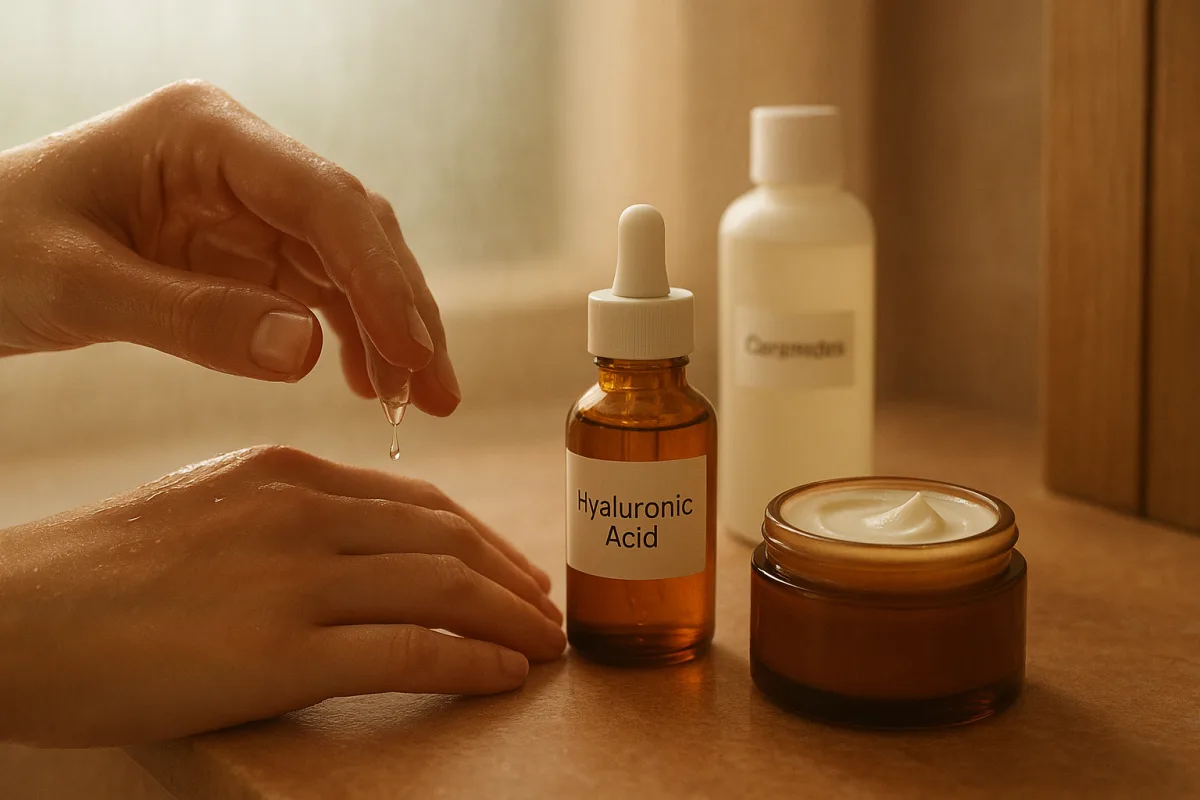
Best Ingredients for Skin Hydration
Discover the best ingredients for skin hydration, how to use humectants and moisturizers for effective water retention and skin barrier support.