
How to Choose a Facial Sunscreen: SPF, Ingredients & Tips
Learn how to choose a facial sunscreen with the right SPF, broad-spectrum protection, and ingredients suited for your skin type and daily needs.
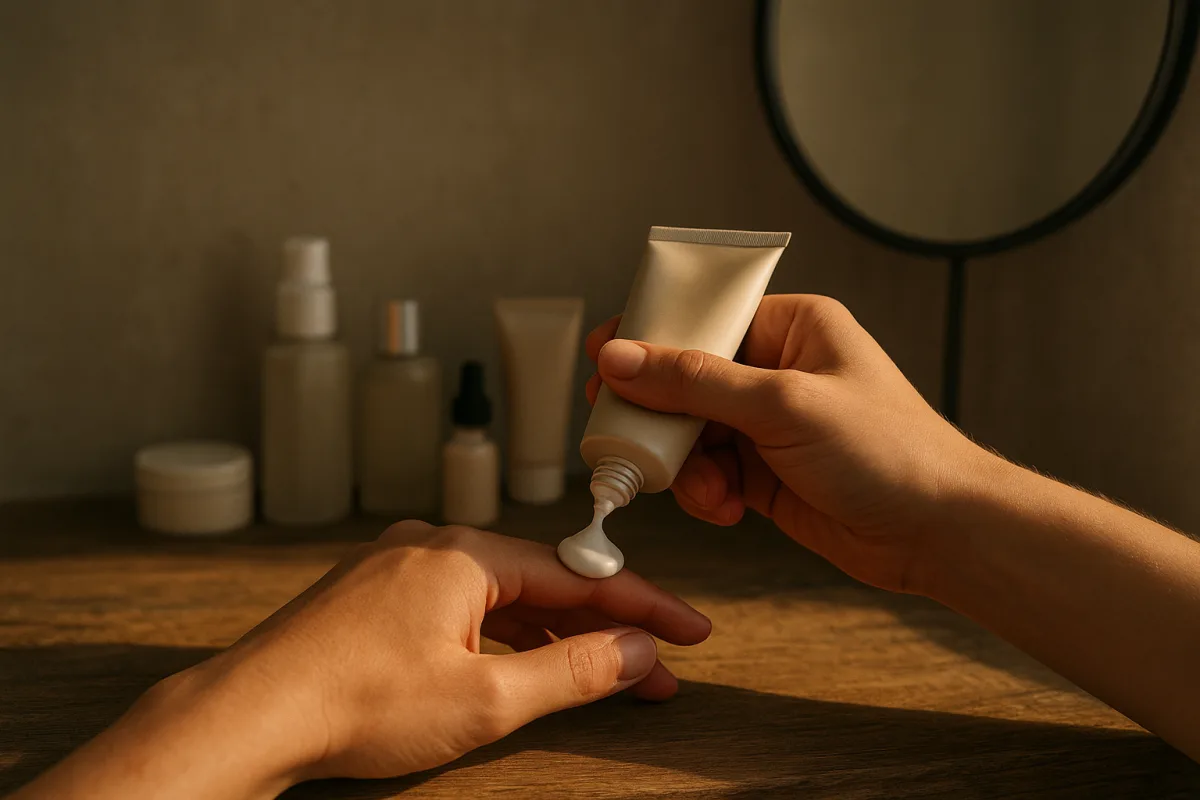
First problem: the label makes SPF sound more decisive than it is
Start with two words on the package: broad spectrum. SPF measures protection from UVB rays, the rays associated with sunburn, but broad-spectrum labeling indicates protection against both UVB and UVA radiation. A high SPF number without broad-spectrum coverage is not the facial sunscreen to choose. [1][3]
For day-to-day use, SPF 30 is the practical baseline. It filters about 97% of UVB rays when it is applied in the amount used for laboratory testing, while SPF 50 filters around 98%. That one-percentage-point difference is real, but it is not a force field. [2][3]
SPF 50 is reasonable if you expect sustained outdoor exposure, such as a long walk, a day near water, outdoor sport or regular midday time outside. The important point is that SPF 50 gives a modest UVB increase over SPF 30, not permission to use half as much. [2]
Very high SPFs are often marketed as though they solve user error. They do not. The Environmental Working Group cautions that SPF values above 50 deliver only marginal extra UVB protection and can distract from the equally important question of UVA coverage. [9]
That does not mean SPF 50 is excessive or useless. It means the useful shopping range for most people is SPF 30 to 50, broad spectrum, in a formula they will actually put on generously. The difference between careful application and a thin layer matters more than chasing the largest number. [5][7]
Next problem: working out whether the sunscreen covers UVA as well
UVA is not represented by the SPF number alone, which is why “broad spectrum” is non-negotiable. The FDA uses that label to indicate that a sunscreen has met testing requirements for protection across UVA and UVB wavelengths. [1]
Do not substitute vague claims such as “daily defense,” “urban shield” or “anti-aging” for broad-spectrum labeling. Those phrases are marketing language. Broad spectrum and SPF are regulated sunscreen-facing claims, and they tell you more about baseline protection than a front-label botanical story. [1]
Some facial sunscreens include vitamin C, vitamin E or other antioxidants. These may be appealing additions, but the American Academy of Dermatology says their benefit within sunscreen formulas is not well established. Treat them as optional extras, not a reason to accept lower SPF or skip broad-spectrum coverage. [5]
There is also no useful evidence in this brief for choosing a sunscreen based on a promised antioxidant concentration. If a brand foregrounds ferulic acid, vitamin C or “free-radical defense” but does not provide broad-spectrum SPF 30 or higher, the sensible move is to keep shopping.
Then comes the ingredient-list choice: mineral or organic filters
A mineral, also called physical, sunscreen uses zinc oxide, titanium dioxide or both as UV filters. An organic-filter, often called chemical, sunscreen uses UV absorbers such as avobenzone or oxybenzone. Both categories can be formulated to provide broad-spectrum protection. [3][11]
The blunt version is that “mineral” is not automatically stronger, safer or more effective simply because it is mineral. The label still needs broad-spectrum protection and a sufficient SPF, and it still needs to be applied properly. There are no direct long-term clinical comparisons in the research brief proving one category produces better overall skin-health outcomes.
Mineral formulas are generally reported to be better tolerated by sensitive or acne-prone skin, and they work immediately after application. That makes zinc oxide and titanium dioxide a sensible category to consider if your current sunscreen stings, feels irritating or repeatedly seems incompatible with your skin. [3][11]
Organic-filter sunscreens remain legitimate options, not a second-best compromise. They can provide broad-spectrum coverage, and the available evidence does not establish that mineral sunscreens are universally superior. Choose based on the label requirements first, then tolerance, with a dermatologist involved if reactions are persistent or severe. [3][11]
Do not try to diagnose a rash, allergy or acne problem from an ingredient list. Facial irritation can have several causes, including the sunscreen, other skincare, fragrance, cleansing habits or an underlying skin issue. If you have ongoing redness, swelling, itching or breakouts, that belongs with a dermatologist.
The application problem: most people under-dose facial sunscreen
This is where otherwise well-chosen sunscreen often fails. The American Academy of Dermatology guidance is approximately 2 mg per square centimetre of skin, commonly translated to about one-half teaspoon or two finger-lengths for the face and neck. [5][7]
Those are not tiny amounts. Many people use only 25% to 50% of the amount used in standardized SPF testing, according to DermUVC. Once you thin out the film over the skin, the SPF on the bottle is no longer a reliable description of the protection you are getting. [7]
Use the face-and-neck amount rather than treating the neck as an afterthought. The ears are another commonly missed area, particularly if hair is short, tied back or thinning. Dallas Associated Dermatologists specifically flags overlooked areas, including the ears and neck, among common sunscreen mistakes. [8]
If two finger-lengths feels imprecise, use the one-half-teaspoon estimate as your alternate reference. The point is not to perform an elegant measuring ritual every morning. It is to stop applying a pea-sized dab and expecting the tested SPF level on the label. [5][7]
Sunscreen should also be part of a wider sun-protection plan, not the whole plan. The FDA notes that protective clothing, shade and limiting time in direct sun are useful additional measures. A meticulously chosen facial sunscreen cannot cover the parts of your body where it was never applied. [1]
The midday problem: SPF does not buy you extra hours
Reapply facial sunscreen every two hours during exposure. This advice does not change because you bought SPF 50, SPF 70 or SPF 100. Higher SPF changes the initial UVB filtration level, not the clock for reapplication. [4][11]
Reapply sooner after swimming, sweating or towel drying. Those activities can disturb the sunscreen film, and waiting for a two-hour alarm when the product has been rubbed or washed away is not a particularly protective strategy. [1][11]
For active days, look for a water-resistance claim on the label. FDA water-resistance testing is expressed as 40 or 80 minutes, which tells you the tested duration during water exposure or sweating. It does not mean the sunscreen is waterproof or that you can skip reapplication afterward. [1]
A water-resistant label is therefore a feature to match to your plans, not a universal marker of quality. If you are commuting indoors and not sweating, broad-spectrum SPF 30 or higher is the priority. If you are running, swimming or working outside, water resistance becomes much more relevant. [1]
The practical shopping checklist
At the shelf, reject any facial sunscreen that does not clearly say broad spectrum and SPF 30 or higher. This takes care of the two baseline requirements before you get distracted by “glow,” “invisible,” “brightening” or “skin barrier” claims. [1][2]
Choose SPF 30 for ordinary daily use, or SPF 50 when prolonged outdoor exposure is likely. Avoid assuming that an extreme SPF changes the rest of the routine. It does not replace adequate quantity, reapplication or physical measures such as shade and clothing. [2][4][9]
Choose mineral filters, zinc oxide and titanium dioxide, if your priority is a category generally considered better tolerated for sensitive or acne-prone skin. Choose an organic-filter formula if it meets the same broad-spectrum and SPF requirements and suits your skin without problems. [3][11]
For a facial product, “non-comedogenic” can be a useful label claim to look for, particularly if you are concerned about clogged pores. It is not a medical guarantee, and it does not outweigh broad-spectrum SPF, proper application or the need to stop using a product that repeatedly irritates your skin. [5]
Finally, do not pay extra solely for antioxidants, unusually high SPF or an elaborate list of trend ingredients. The evidence in this brief supports broad-spectrum coverage, SPF 30 to 50, a sufficient application amount, timely reapplication and water resistance when relevant. Those are the boring details that do the actual work. [1][5][9]
Frequently Asked Questions
What SPF should I look for in a facial sunscreen?
For everyday use, choose a facial sunscreen with at least SPF 30, which blocks about 97% of UVB rays when applied properly. SPF 50 is recommended for longer outdoor exposure, providing slightly more UVB protection, but values above 50 offer only marginal additional benefit.
How do I know if a facial sunscreen is broad spectrum?
Look for the label stating "broad spectrum," which means the sunscreen protects against both UVA and UVB rays. This labeling is regulated by the FDA and indicates the product has met testing requirements for comprehensive sun protection.
Should I choose mineral or chemical sunscreen for my face?
Both mineral (physical) sunscreens containing zinc oxide or titanium dioxide and chemical sunscreens with organic UV absorbers can provide broad-spectrum protection. Mineral sunscreens are often better tolerated by sensitive or acne-prone skin and work immediately upon application.
How much facial sunscreen should I apply daily?
Apply about one-half teaspoon or two finger-lengths of sunscreen evenly across the face and neck. This amount corresponds to the quantity used in lab testing to achieve the labeled SPF protection.
Is SPF 50 better than SPF 30 for facial sunscreen?
SPF 50 offers a modest increase in UVB protection compared to SPF 30, filtering about 98% of UVB rays versus 97%. However, the difference is small, and proper application and reapplication are more important than choosing a higher SPF.
How we researched this
This article was assembled from 11 cited references.
Nothing here is based on hands-on testing. Where a figure or finding appears, it belongs to the source cited beside it, and the writing says so rather than implying otherwise. Every source is listed below so you can check it.
Sources
- Sunscreen: How to Help Protect Your Skin from the Sun | FDA
- How to Choose the Best SPF for Your Skin, According to Dermatologists
- The Ultimate Sunscreen Guide, According to Dermatologists
- This Is the Only Sunscreen Article You Need to Read
- How to apply sunscreen
- Sunscreen and Your Morning Routine | Johns Hopkins Medicine
- How Much Sunscreen to Apply (and Why Most People Use Way
- Common Sunscreen Mistakes: Are You Applying Sunscreen Correctly? - Dallas Associated Dermatologists
- Seven Most Common Mistakes When Applying Sunscreen | Environmental Working Group
- How to Apply Sunscreen Correctly: Common Mistakes That Protection
- Mineral vs. Chemical Sunscreen: Which Is Better?
Related Articles
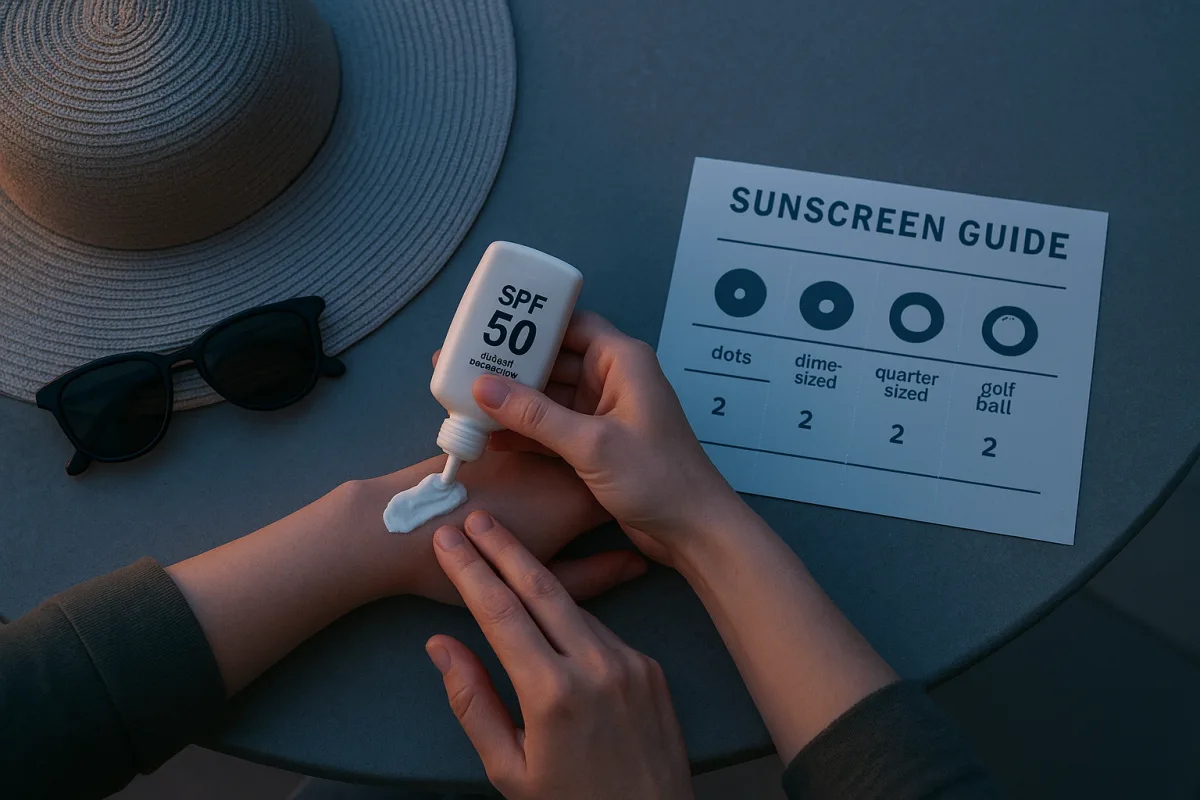
How to Choose a Sunscreen: SPF, Broad Spectrum & Formulas
Learn how to choose a sunscreen with the right SPF, broad spectrum protection, and formula for your skin type and daily needs.
How to Choose Face Oil for Dry Skin: A Practical Guide
Learn how to choose face oil for dry skin, including types, application tips, and best oils for sensitive or acne-prone dry skin.
How to Choose a Face Scrub for Sensitive Skin Safely
Learn how to choose a face scrub for sensitive skin with gentle ingredients, proper exfoliation frequency, and what to avoid to prevent irritation.
How Often Should You Exfoliate? Expert Frequency Guide
Learn how often you should exfoliate based on skin type, exfoliant type, and signs of over-exfoliation to build a safe skincare routine.